-
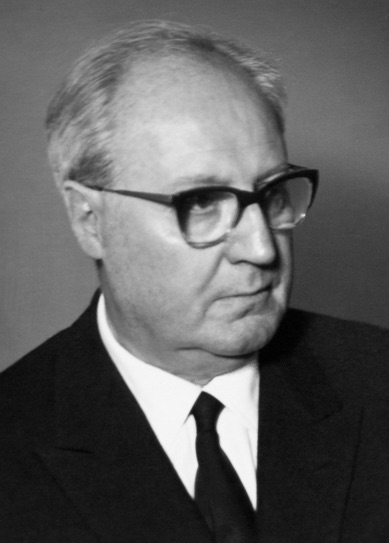
Italy’s journey to democracy began in 1946 when the Constituent Assembly met in Rome. This historic assembly, featuring 21 pioneering female legislators, comprised diverse political figures, including former partisans and fascists. Over 18 months, they crafted a groundbreaking constitution that balanced individual rights with social solidarity. Their work laid the foundation for modern Italian democracy.
-
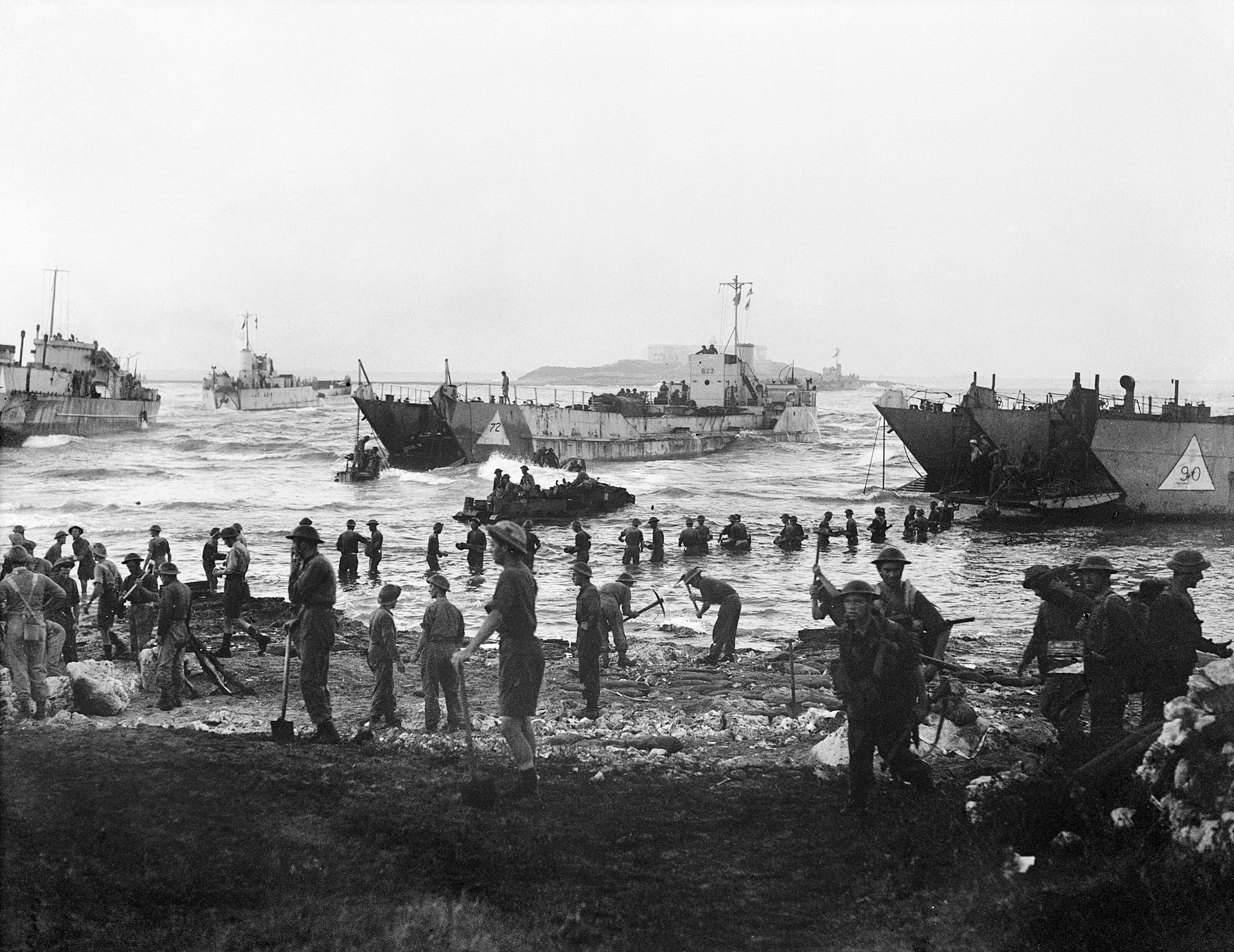
In the aftermath of the Allied invasion of Sicily in 1943, a unique rebellion emerged as a coalition of Sicilians sought independence from Italy. Despite controlling significant portions of the island and gaining substantial regional support, this movement faced defeat through military force and political strategies. Its legacy endures, highlighting deep-seated grievances against foreign domination and organized crime.
-
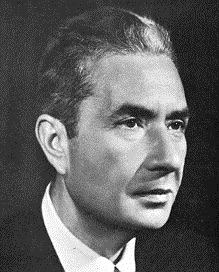
In 1969, Italy was rocked by violence during the Years of Lead, a period marked by bombings and assassinations that deeply impacted the nation. The political turmoil, driven by far-left groups and neofascists, set Italy apart from Western Europe. This era saw failed coup attempts and widespread fear, highlighting the intense social and political conflict of the time.
-

Italy’s economic miracle from 1951 to 1963 transformed it from an agricultural country into a consumer powerhouse, driven by the Marshall Plan, industrial growth, and European integration. By 1963, Italy was a modern metropolis, with Milan gleaming in steel and glass, and families enjoying new comforts. This remarkable shift reshaped Italy’s economy and society, leaving a legacy of both progress and uneven development.
-
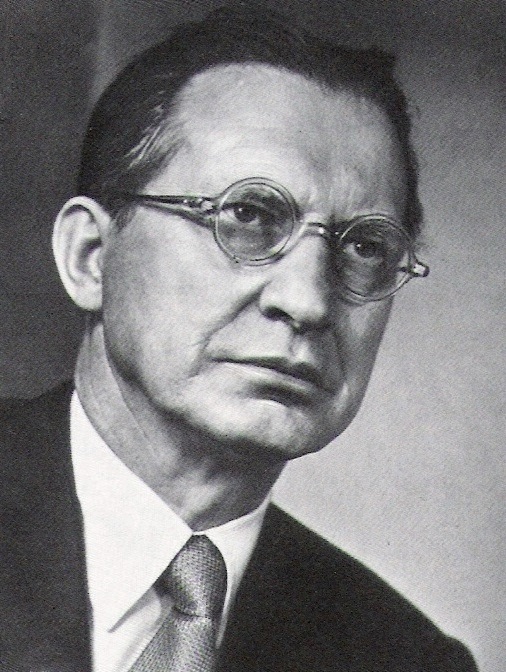
For nearly half a century, from the birth of the Italian Republic in 1946 to its dramatic collapse in the early 1990s, Italian politics was defined by a single party: Christian Democracy (Democrazia Cristiana, or DC). The DC was not a party in the conventional sense. It was a coalition of factions, a political machine, a patronage network, and a cultural movement all rolled into one. It drew support from the Catholic Church, from the business class, from peasants, from housewives, from civil servants, and from millions of Italians who feared the alternative: the Italian Communist Party (PCI). The DC…
-
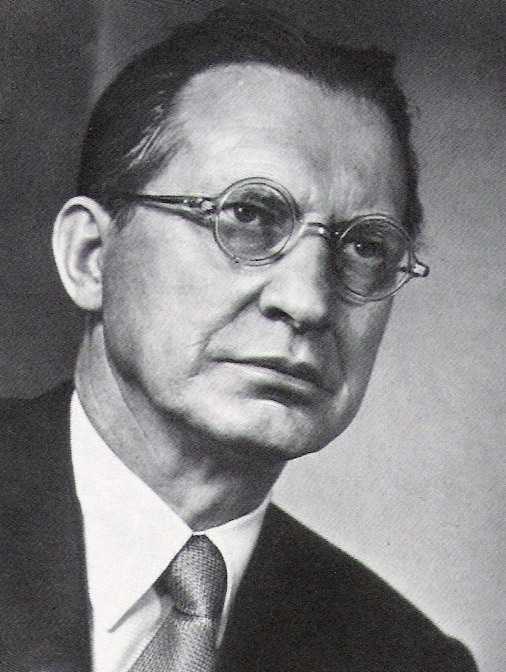
The 1948 Italian election marked a pivotal moment when Italy chose the Christian Democracy led by Alcide De Gasperi over the communist coalition of Palmiro Togliatti. This decision firmly anchored Italy in the Western bloc, setting the stage for decades of political dominance by the Christian Democrats.
-

Italy’s participation in the Marshall Plan averted famine, stabilized the currency, and spurred the ‘economic miracle’ of the 1950s and 1960s.
-

In 1946, Italy made a historic choice: women joined men in voting for the first time, deciding between monarchy and republic. The republic won by a narrow margin, but the aftermath was tumultuous. Riots erupted, and the exiled king accused the government of fraud, reflecting Italy’s deep political divisions.
-

The Italian Civil War was a war within a war, where the struggle for Italy’s soul shaped its politics, even as the Western Allies’ campaigns in Italy received more attention.
-
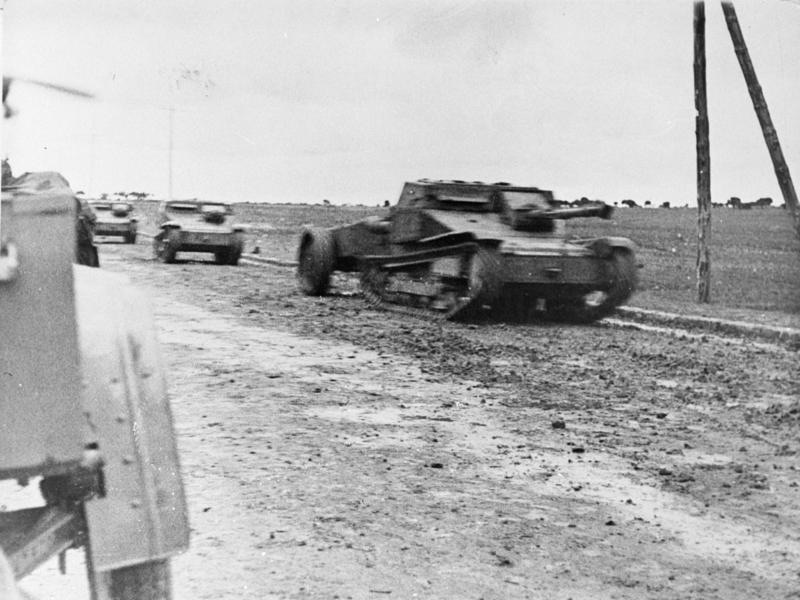
Of the various foreign interventions in the Spanish Civil War, that of Fascist Italy under Benito Mussolini occupies a singular and paradoxical position. It was, by any objective measure, an invasion: a massive, state-directed deployment of military personnel and matériel exceeding in sheer numbers the contribution of Nazi Germany, yet it has often been relegated to a secondary status in historical memory, overshadowed by the more technologically formative German intervention and the ideologically potent Soviet one. Italy’s involvement was characterized not by the covert experimentation of the Legion Condor but by a blatant, triumphalist projection of national power, intended to…