-
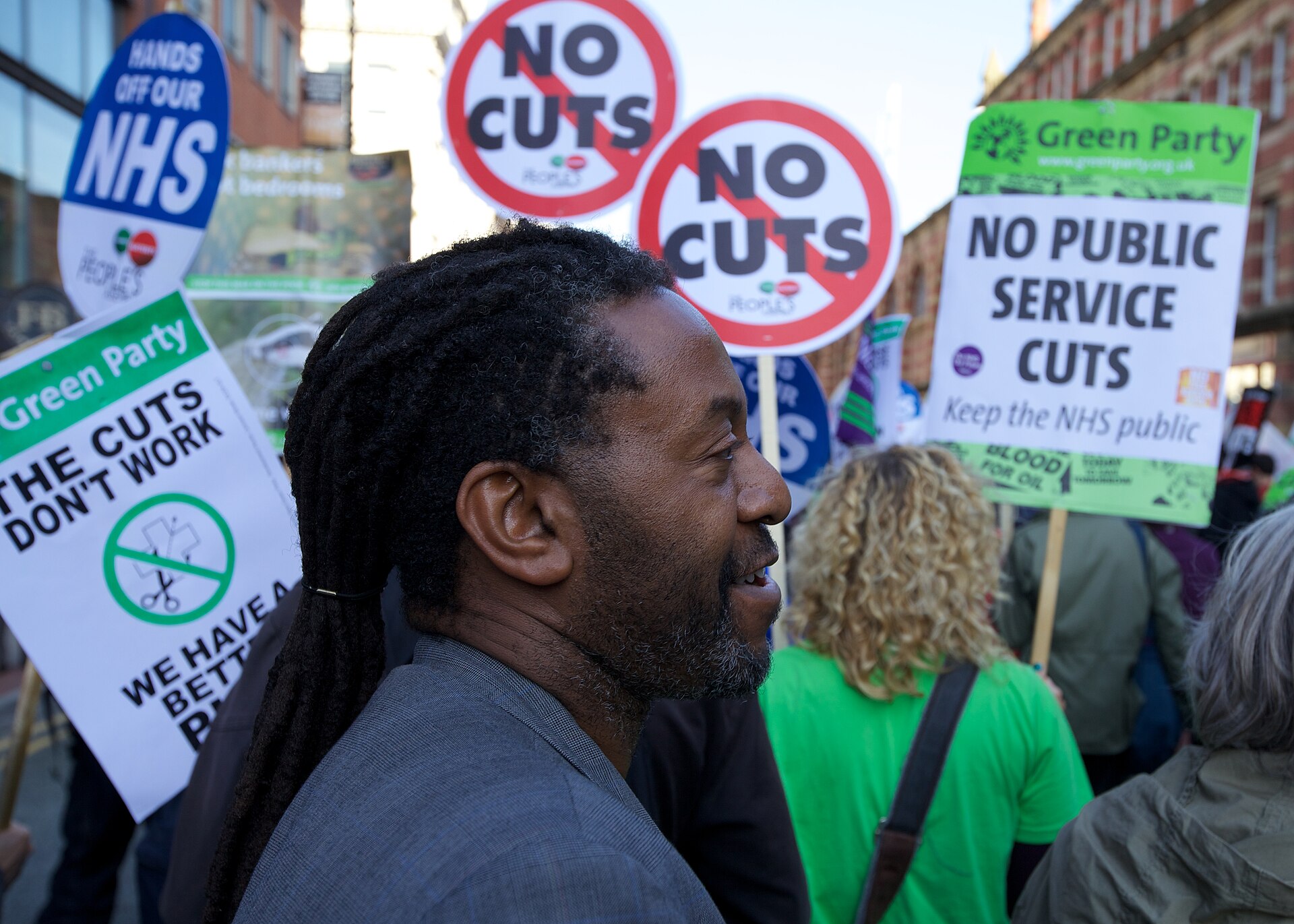
It has become common in the UK to talk about austerity as if it is a thing of the past – something that happened between 2010 and 2024, now supposedly over. This is completely wide of the mark. The Labour government has made some token inroads into rolling back austerity. The vote to end the two‑child benefit cap – a policy that punished poor families for having more than two children – is one example. And as the Green Party has surged on the left, Labour has suddenly realised that doing some vaguely socially democratic things might be an idea…
-

The September 2008 meeting at the Federal Reserve Bank of New York was a turning point as leaders decided against bailing out Lehman Brothers, setting off a chain reaction in the financial crisis.
-

Warren Buffett’s 2003 warning about derivatives as ‘financial weapons of mass destruction’ was ignored as they fueled a complex and lucrative financial system. By 2007, the $596 trillion OTC derivatives market was dominated by CDS, with AIG’s risky $527 billion exposure leading to a 2008 collapse.
-

Italy’s journey to democracy began in 1946 when the Constituent Assembly met in Rome. This historic assembly, featuring 21 pioneering female legislators, comprised diverse political figures, including former partisans and fascists. Over 18 months, they crafted a groundbreaking constitution that balanced individual rights with social solidarity. Their work laid the foundation for modern Italian democracy.
-
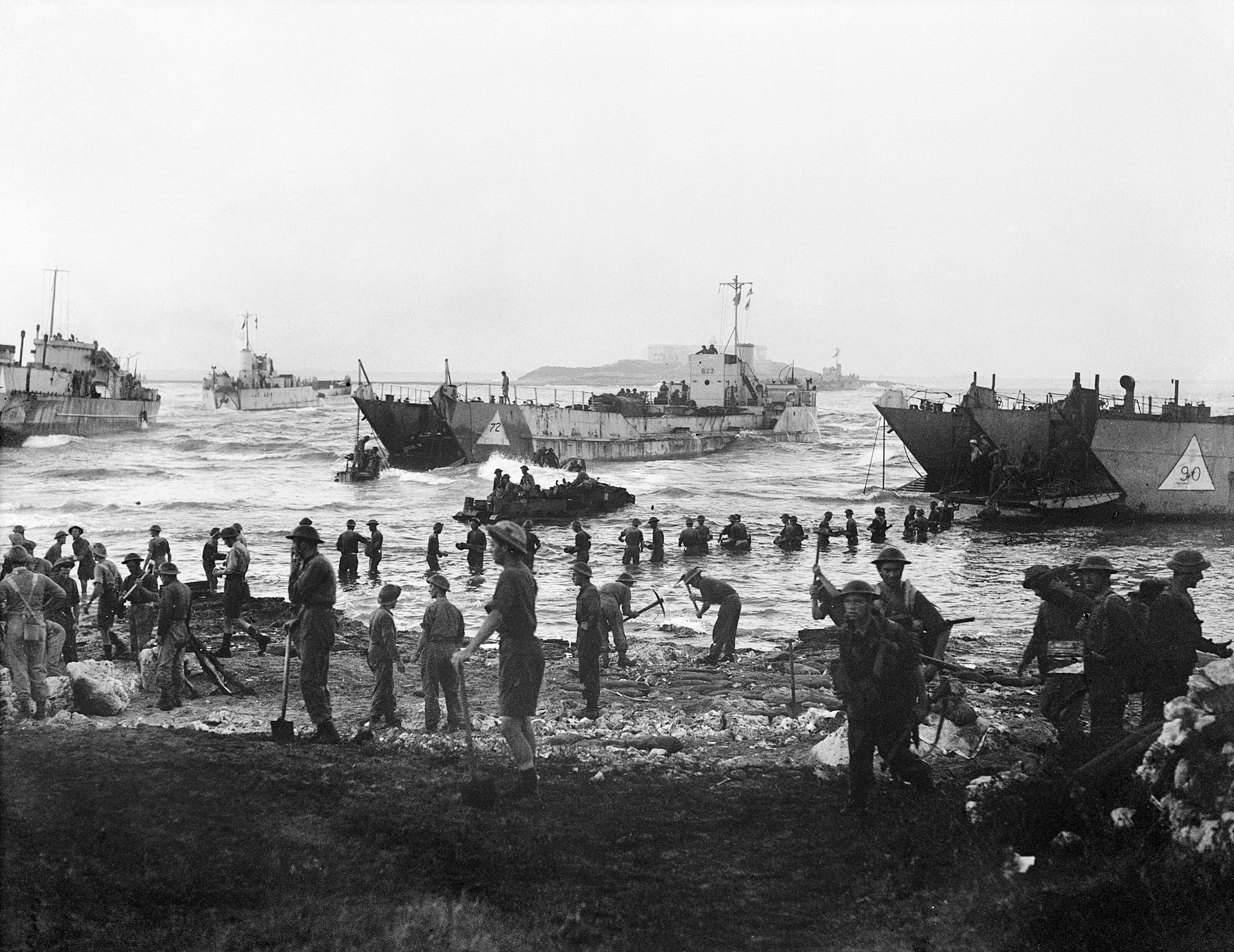
In the aftermath of the Allied invasion of Sicily in 1943, a unique rebellion emerged as a coalition of Sicilians sought independence from Italy. Despite controlling significant portions of the island and gaining substantial regional support, this movement faced defeat through military force and political strategies. Its legacy endures, highlighting deep-seated grievances against foreign domination and organized crime.
-

For nearly half a century, from the birth of the Italian Republic in 1946 to its dramatic collapse in the early 1990s, Italian politics was defined by a single party: Christian Democracy (Democrazia Cristiana, or DC). The DC was not a party in the conventional sense. It was a coalition of factions, a political machine, a patronage network, and a cultural movement all rolled into one. It drew support from the Catholic Church, from the business class, from peasants, from housewives, from civil servants, and from millions of Italians who feared the alternative: the Italian Communist Party (PCI). The DC…
-

The 1948 Italian election marked a pivotal moment when Italy chose the Christian Democracy led by Alcide De Gasperi over the communist coalition of Palmiro Togliatti. This decision firmly anchored Italy in the Western bloc, setting the stage for decades of political dominance by the Christian Democrats.
-

NATO’s foundational agreement is collapsing due to Trump’s actions, including threats to withdraw, humiliation of allies, and challenges to its mutual defense principles. Legal barriers exist to withdrawal, but trust in the U.S. security guarantee has eroded. If the U.S. falters, Europe would need heightened defense measures while Russia could be emboldened.
-

Donald Trump’s presidency became the instrument of the Protestant establishment’s final destruction, contrasting with Roosevelt’s class-defining portrait. Trump, unlike Roosevelt, was the son of a Queens developer, signaling a new era of arrival.
-

President Trump’s impeachment in 2019 revealed a pattern of disregarding constitutional norms. The charges of abuse of power and obstruction were rooted in his efforts to leverage military aid against foreign leaders. Trump’s dismissal of the proceedings as a ‘witch hunt’ and his subsequent Senate acquittal underscored his prioritization of personal narrative over institutional duty.
Explaining History Podcast
Category: Articles
Articles
/ Articles