-

The Question of Naming History has a way of naming things only after they have concluded. We look back at 1914 and 1939 as definitive starting points, but as we discuss in the latest Explaining History podcast, those living through the current conflagrations in Ukraine, Gaza, Iran, and Venezuela are left wondering: are we already in the midst of a global conflict? And if so, at what point do we give it a name? The historian Richard Overy, in his seminal work Blood and Ruins, suggests that the two World Wars might be viewed as a single, continuous struggle of…
-
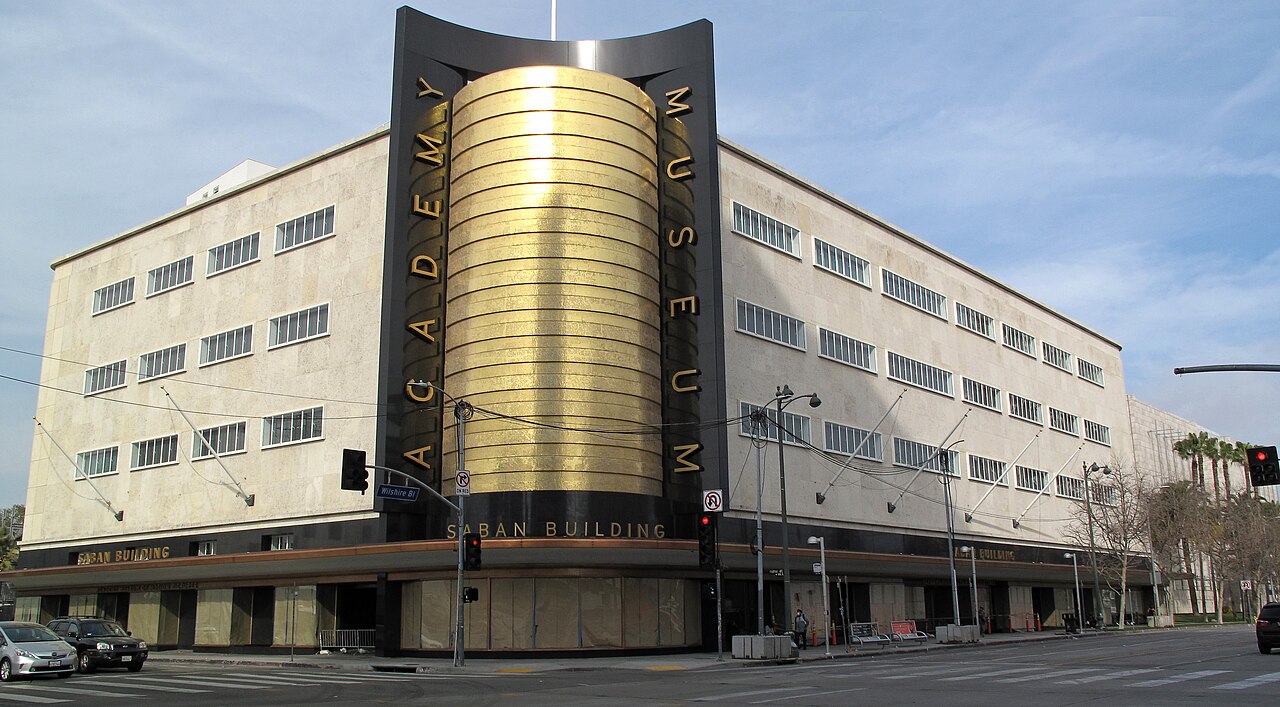
Monica Sandler, a film historian at Ball State University, is completing her book, *The Oscar Industry*, focusing on the Oscars’ cultural significance. She discusses how the awards highlight artistic value within American culture, their historical ties to race and industry politics, and the impact of movements like #OscarsSoWhite and #MeToo.
-
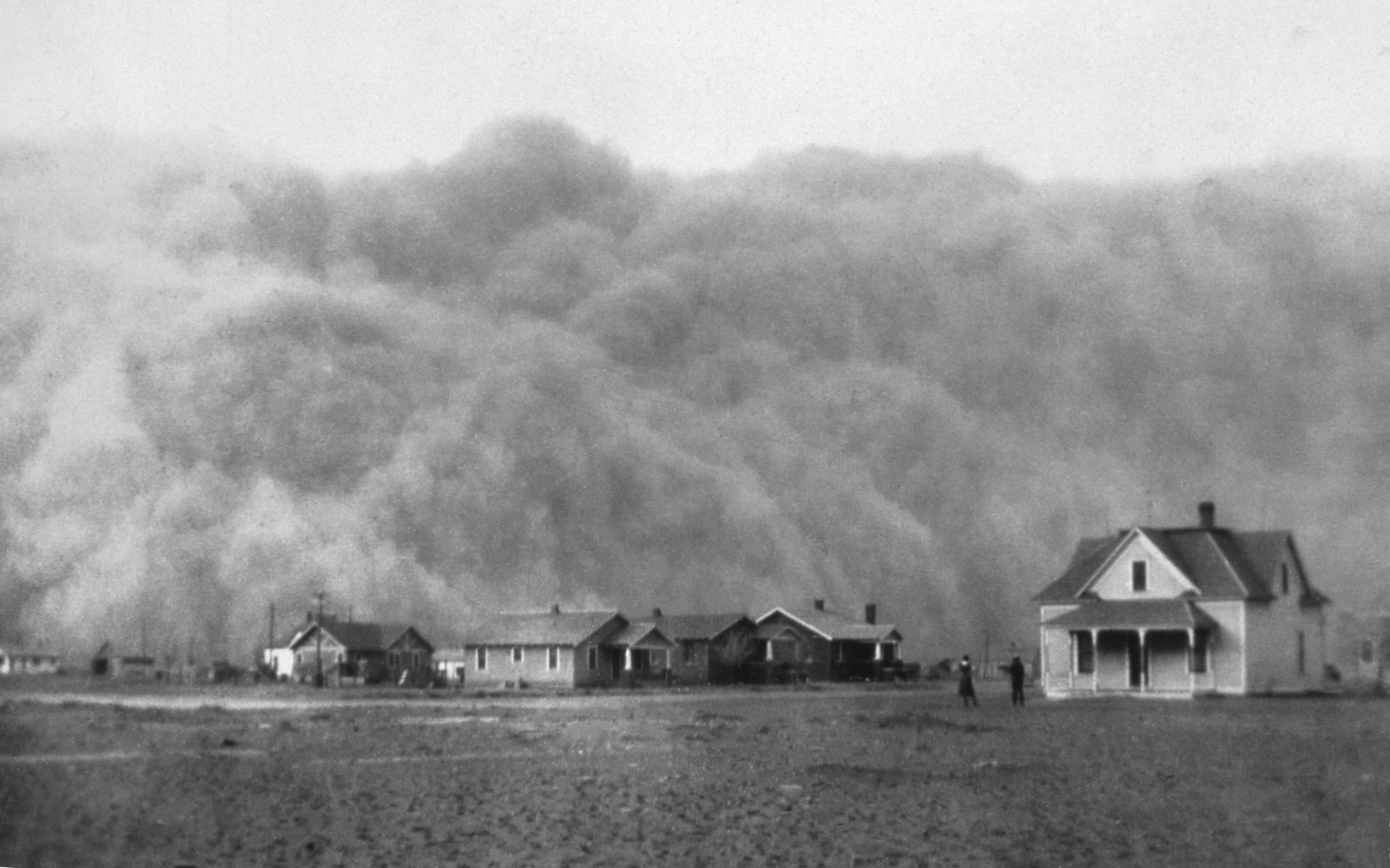
In the 1930s, Americans faced the Dust Bowl, a disaster wrought by capitalist agricultural expansion and federal land policies. This environmental catastrophe revealed profound social and economic vulnerabilities, deeply entwined with the Great Depression. Seen through the lens of radical political economics, the Dust Bowl highlighted capitalism’s systemic disruption of natural cycles, a manifestation of its inherent metabolic rift.
-
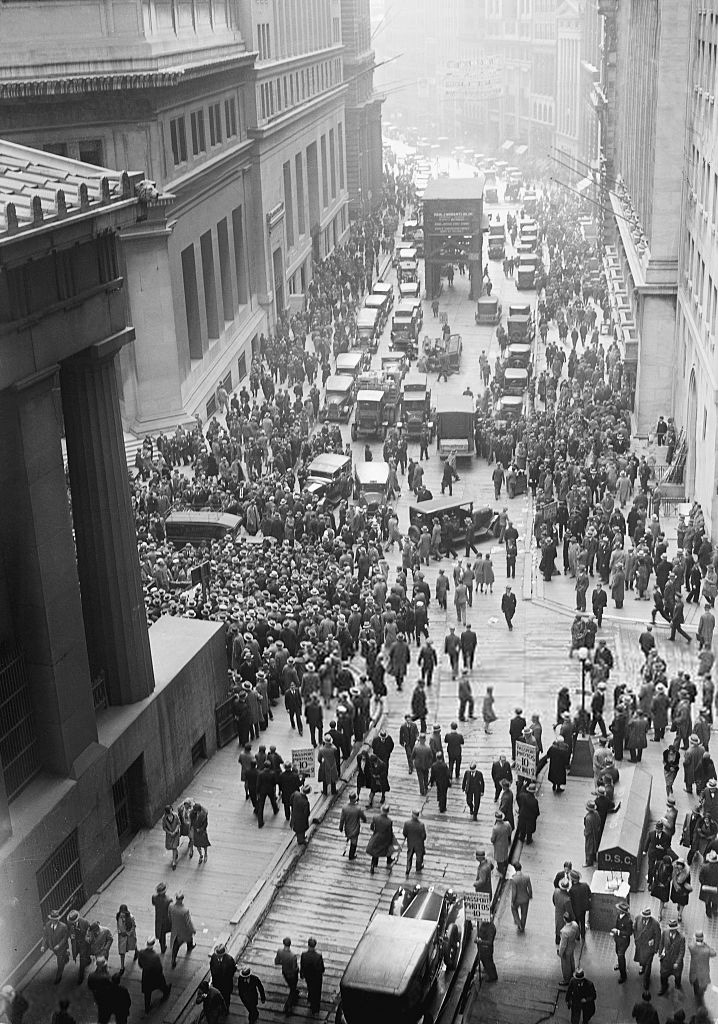
In 1929, the stock market crash marked a turning point in American history, unfolding as a dramatic five-day saga of panic and economic restructuring. Beyond its single-event narrative, this period reveals the deep-rooted vulnerabilities of 1920s capitalism.
-
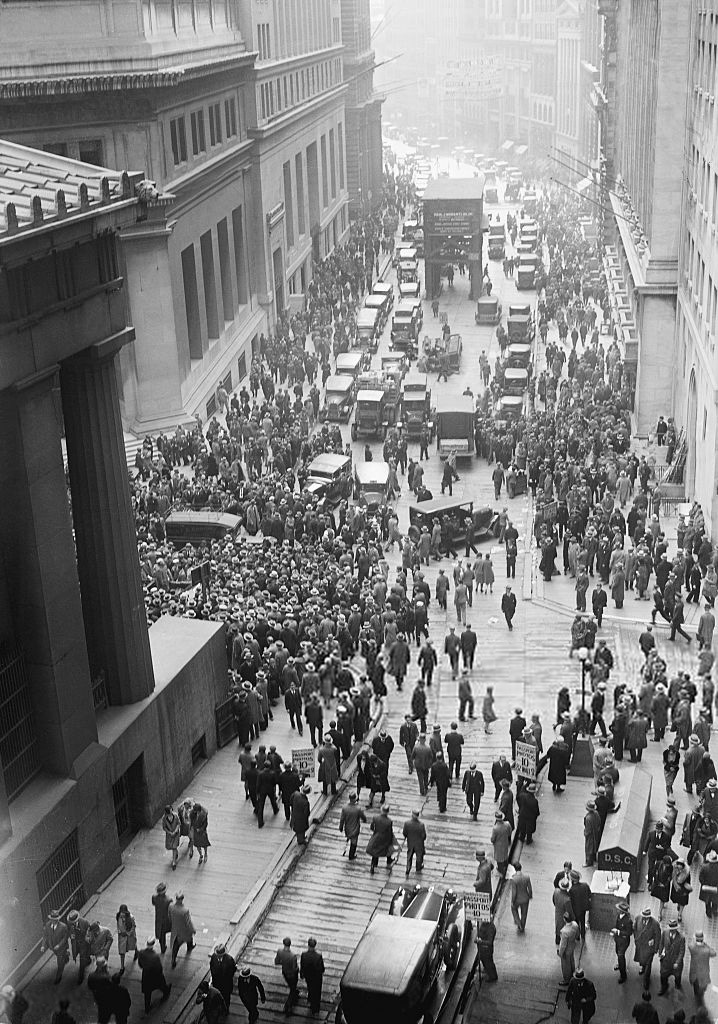
Beyond its dramatic events, the Great Depression exposed capitalism’s inherent instability, with interconnected factors like banking panics and international crises transforming domestic issues into a worldwide catastrophe.
-

The fatwa issued by Khomeini in 1989 against Salman Rushdie’s novel escalated into a worldwide controversy. It highlighted the intersection of religious authority and free expression, leaving a lasting impact on debates about blasphemy and state power.
-
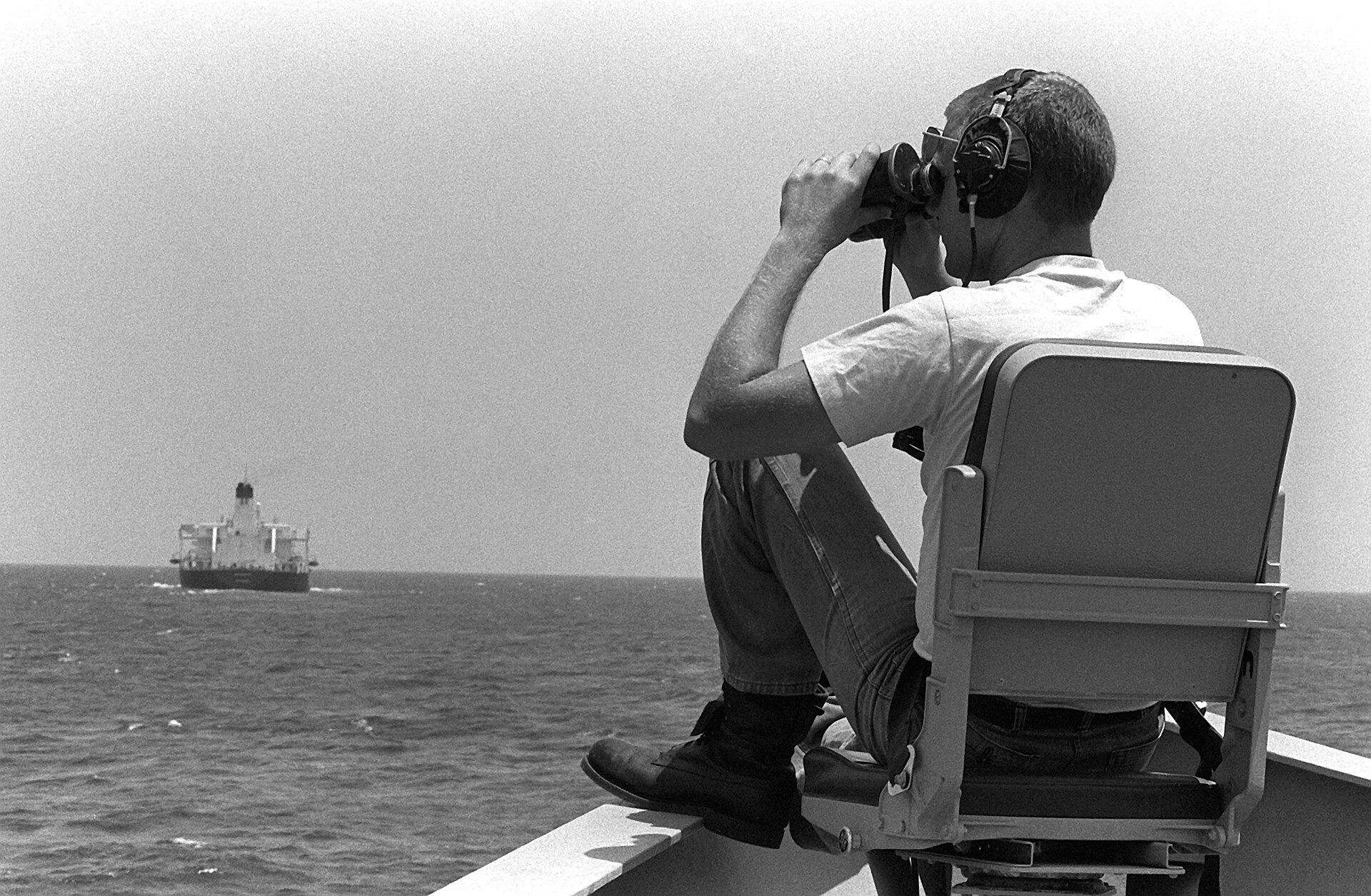
As the Iran-Iraq War dragged on into the sea, America’s dual policies fueled suspicion and hostility, setting the stage for the enduring tensions that would define U.S.-Iran relations for decades.
-
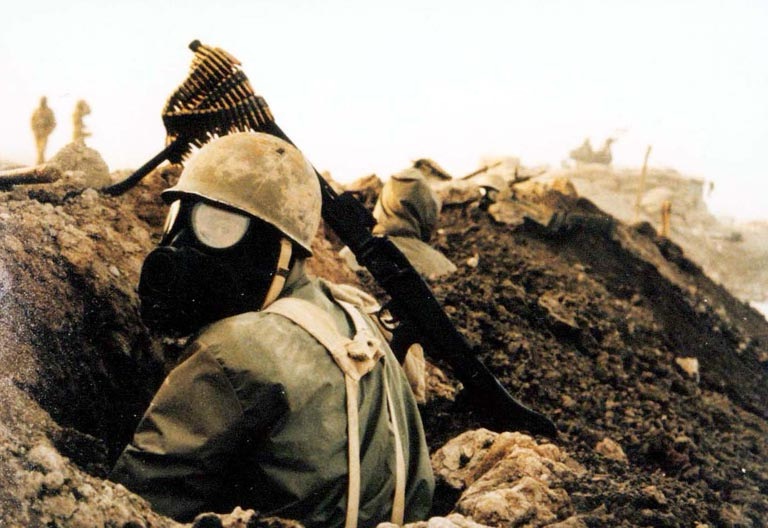
The Iran-Iraq War, initiated by Iraq’s strategic invasion in 1980, was a brutal and prolonged struggle that reshaped the Middle East’s political landscape, leaving deep psychological and political scars that continue to impact Iranian society today.
-
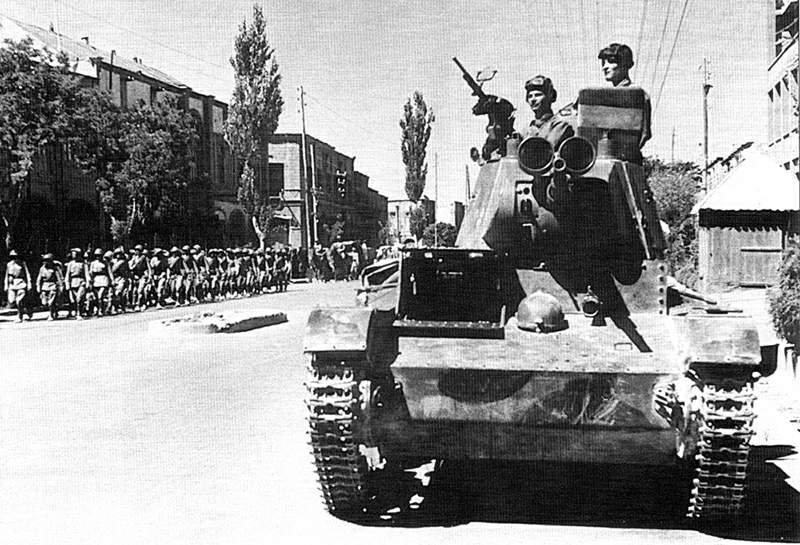
The 1941 invasion of Iran, orchestrated by Allied forces, was a critical yet often overlooked turning point in the country’s modern history. It led to the swift removal of Shah Reza Pahlavi, altering the geopolitical landscape and sowing seeds for later conflicts.
-

*When we think of military incompetence in the First World War, our minds turn instinctively to the Western Front—to Haig, to Passchendaele, to the “lions led by donkeys” thesis. But the Habsburg army, which fought the Russians and the Italians across vast and challenging theaters, offers an even starker case study in structural weakness and strategic fantasy.* The Manpower Problem The Austro-Hungarian Empire was a patchwork of nations and ethnicities, and this presented unique challenges for military recruitment. As Alexander Watson writes in his superb Ring of Steel: > “The common army’s biggest problem with its men was it simply…