-
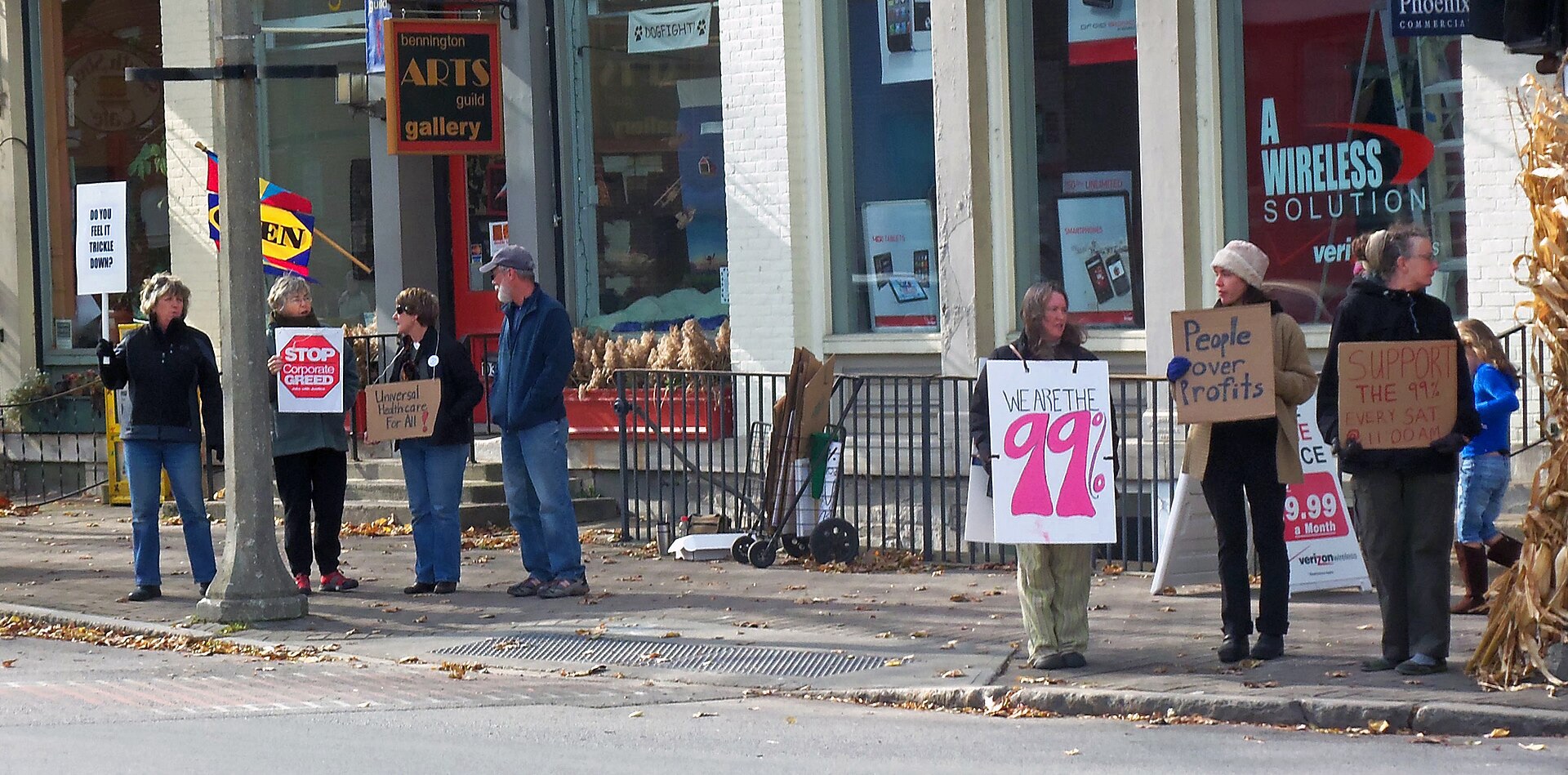
Occupy Wall Street was not the only political reaction to the crisis. On the right, the Tea Party movement had emerged in early 2009, fueled by anger at the bank bailouts, the stimulus, and the growing national debt
-

On December 16, 2008, the Federal Open Market Committee (FOMC) did something it had never done before. It cut the federal funds rate—the benchmark interest rate that influences all other borrowing costs in the American economy—to a range of 0 to 0.25% . For all practical purposes, the Fed had pushed rates to zero. The central bank had reached the “zero lower bound,” the point at which conventional monetary policy could not push rates any lower. But the economy was still in free fall. Unemployment was rising. Banks were not lending. The housing market was collapsing. The Fed had used…
-
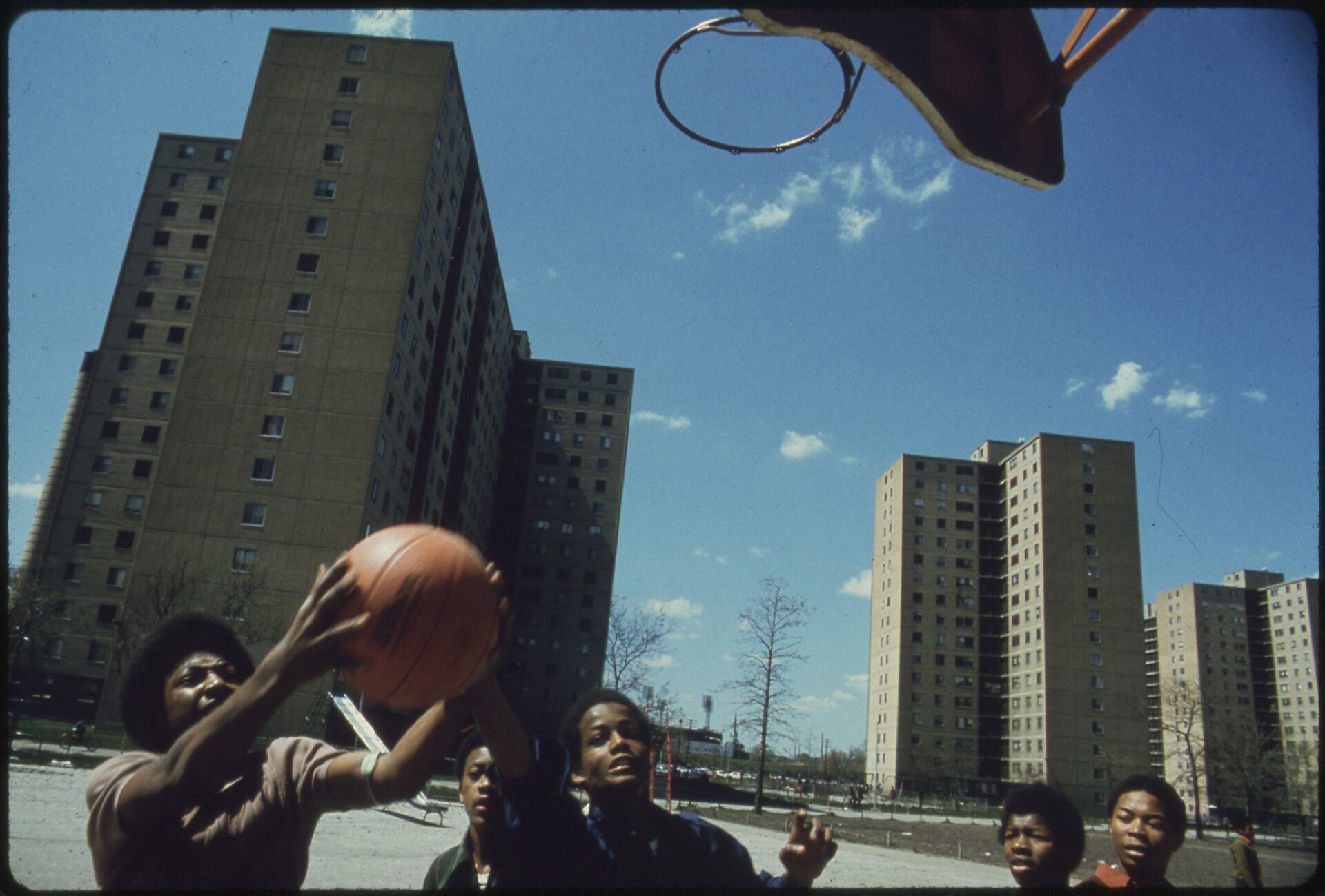
The Great Recession of 2007-2009 was a financial and economic upheaval unlike any other, with stock market crashes wiping out $16 trillion in household wealth. Job losses soared, with 8.7 million Americans unemployed between 2007 and 2009, creating a prolonged labor market crisis.
-
The 2008 financial crisis was a global catastrophe, beginning with Lehman Brothers’ collapse and rapidly spreading across the globe. European banks were heavily exposed to US subprime mortgages, leading to a domino effect that triggered nationalizations and collapses in countries like Iceland and the UK. The crisis shattered global trade, industrial production, and economies worldwide, highlighting the interconnectedness of financial systems.
-
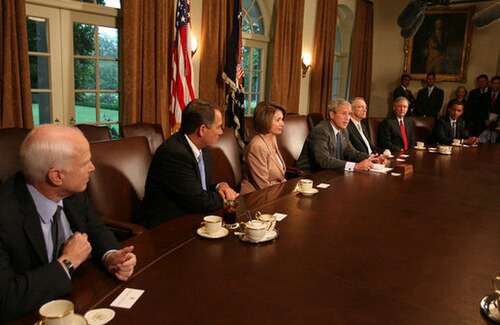
Amidst the 2008 financial crisis, Paulson and Bernanke issued stark warnings of a full-scale financial collapse, leading to the Emergency Economic Stabilization Act and the creation of TARP to prevent a depression.
-
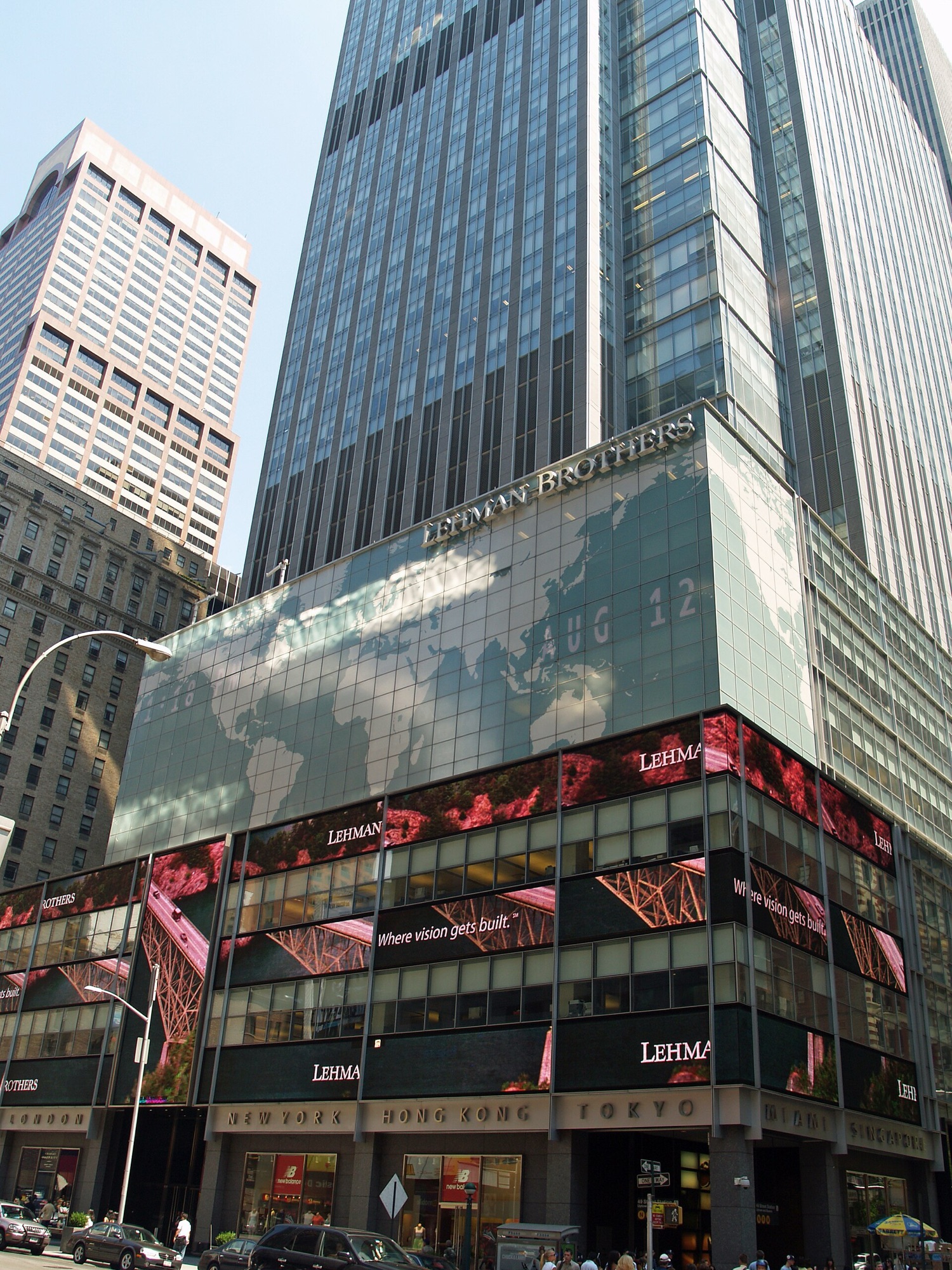
The September 2008 meeting at the Federal Reserve Bank of New York was a turning point as leaders decided against bailing out Lehman Brothers, setting off a chain reaction in the financial crisis.
-
Warren Buffett’s 2003 warning about derivatives as ‘financial weapons of mass destruction’ was ignored as they fueled a complex and lucrative financial system. By 2007, the $596 trillion OTC derivatives market was dominated by CDS, with AIG’s risky $527 billion exposure leading to a 2008 collapse.
-

The shadow banking system emerged in the early 2000s, offering a parallel financial universe to traditional banking. Investment banks and non-bank entities took center stage, performing functions akin to banks but with little oversight. Securitization, once a tool for liquidity, ballooned into complexity, masking risks with exotic structures that ultimately triggered a global financial panic when the housing bubble burst.
-

A perfect storm of deregulation and loose monetary policy triggered the subprime mortgage crisis, reshaping modern finance.