-
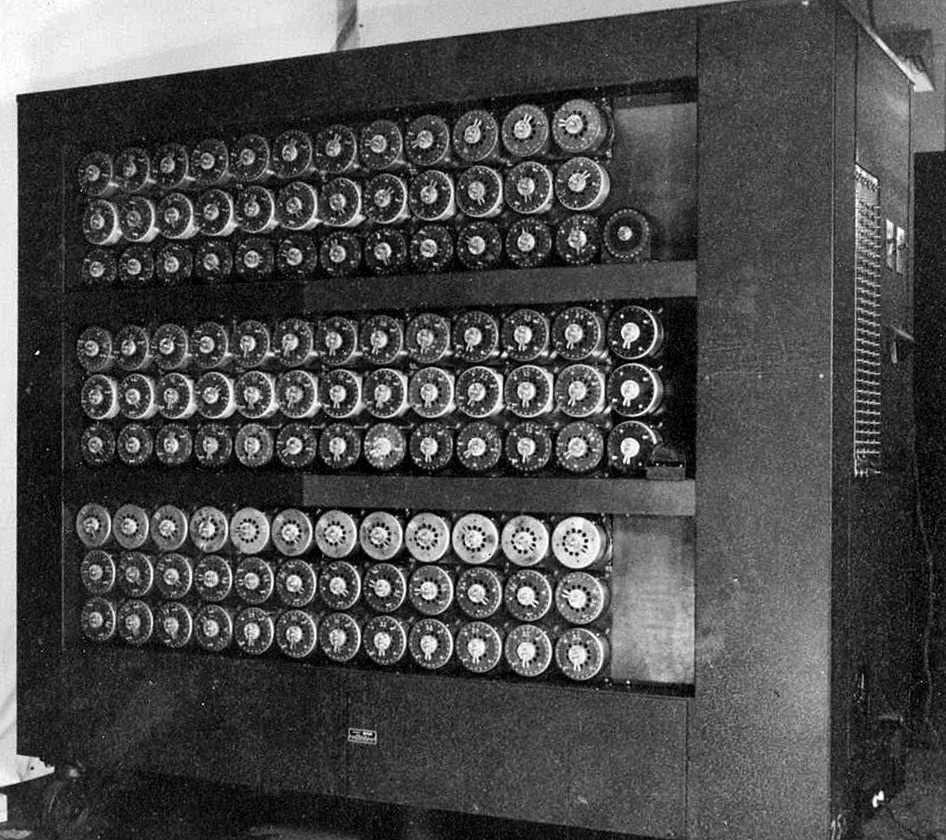
In this episode, Nick speaks with author Maggie Ritchie about her novel White Raven, inspired by the true life of Moira Beattie. A Glasgow art student recruited to Bletchley Park at 18, Beattie used her artistic eye to break German codes, finding liberation in the facility’s unique, classless environment. The conversation explores her wartime romance with a Russian officer and transitions to the Cold War era, shining a light on the Joint Services School for Linguists at Crail, Scotland. They discuss the moral complexities of espionage, where patriotism, adventure, and the desire for geopolitical balance often blurred the lines between…
-
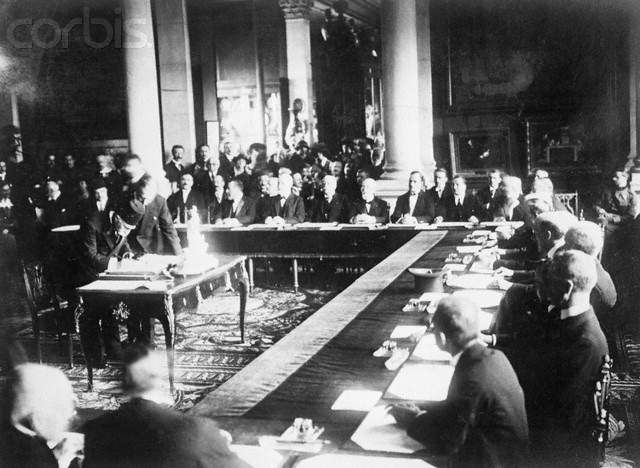
Introduction: The Erasure of Kurdistan On August 10, 1920, delegates from the Allied powers and the defeated Ottoman Empire convened in the showroom of the porcelain factory in Sèvres, France, to sign a peace treaty intended to formally end World War I in the Middle East. The Treaty of Sèvres was a document of punitive partition. It stripped the Ottoman Empire of its Arab provinces and divided the Anatolian heartland into zones of influence for Britain, France, Italy, and Greece. Embedded within the 433 articles of the treaty were three specific clauses—Articles 62, 63, and 64—that addressed the status of the Kurdish…
-

Introduction: The General at the Tomb On July 25, 1920, French troops led by General Henri Gouraud entered Damascus. They had just routed the Arab forces at the Battle of Maysalun, ending the short-lived dream of an independent Arab Kingdom in Syria. According to a persistent, though historically debated, anecdote, one of Gouraud’s first acts upon entering the city was to visit the tomb of Saladin, the legendary sultan who had expelled the Crusaders from Jerusalem in the 12th century. Standing before the sepulcher, the French High Commissioner is said to have declared, “Saladin, we have returned.” Whether the event happened…
-
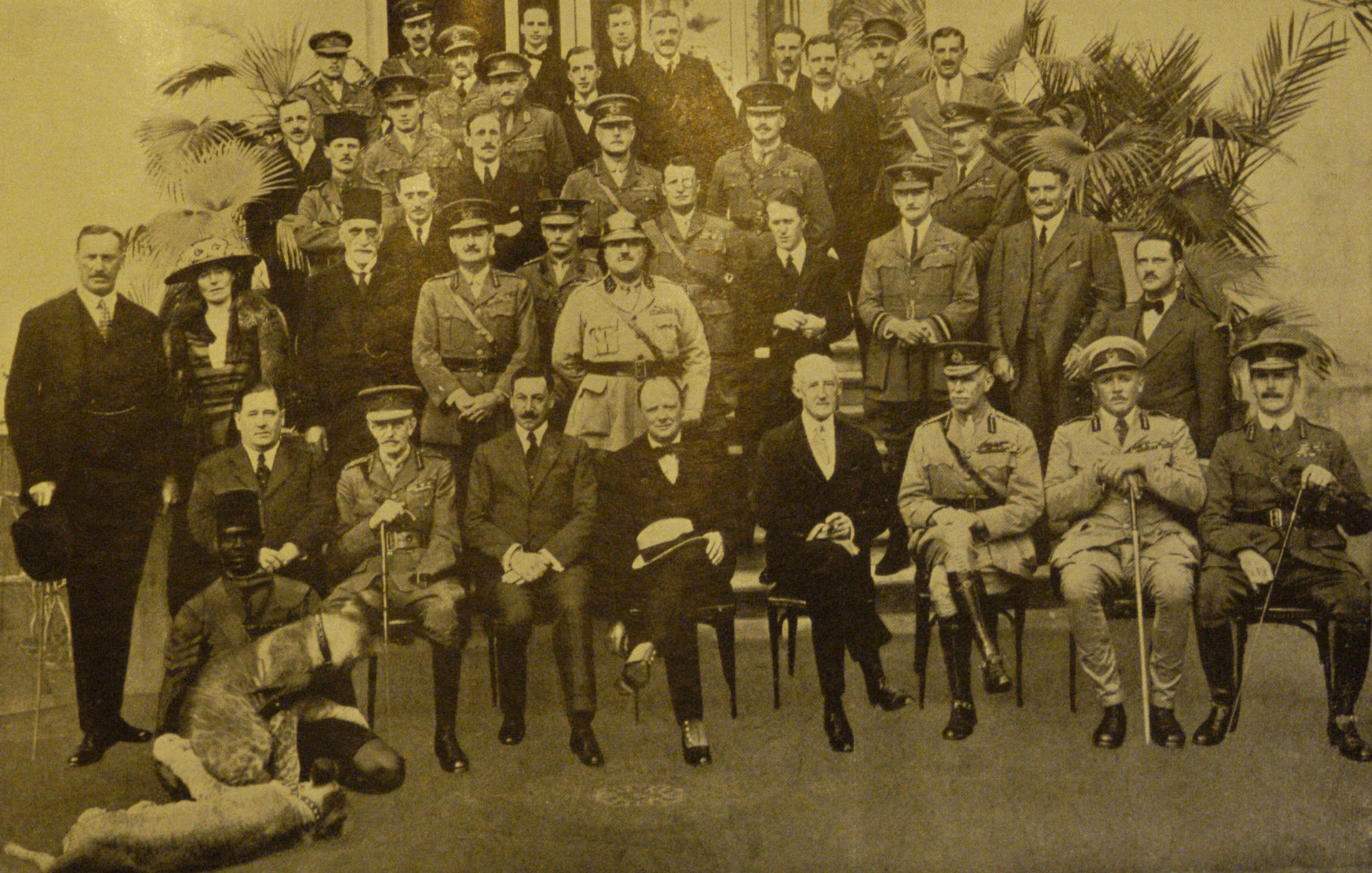
Introduction: The “Forty Thieves” at the Semiramis Hotel On March 12, 1921, a convoy of official vehicles arrived at the Semiramis Hotel on the banks of the Nile in Cairo. Emerging from the cars was a gathering of British officials that arguably represented the greatest concentration of imperial expertise ever assembled in one location. At the center of the group was Winston Churchill, the newly appointed Secretary of State for the Colonies. Flanking him were figures who had already passed into the realm of legend: T.E. Lawrence (“Lawrence of Arabia”), Gertrude Bell (the “Uncrowned Queen of Iraq”), Sir Percy Cox…
-
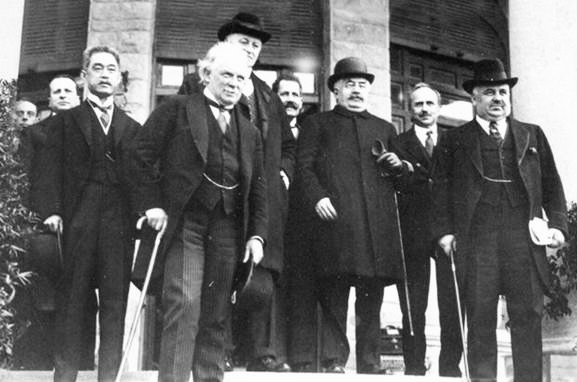
Introduction: The Villa Devachan and the New World Order On April 19, 1920, the Supreme Council of the Allied Powers convened at the Villa Devachan, an ornate Edwardian residence in the Italian resort town of San Remo. The setting was tranquil, overlooking the Mediterranean Riviera, but the business at hand was the definitive partition of the Middle East. For eighteen months following the Armistice of Mudros in October 1918, the fate of the Ottoman Empire’s Arab provinces had existed in a state of suspended animation. British and French armies occupied the terrain from the Levant to Mesopotamia, but the legal…
-

Introduction: The End of Secret Diplomacy In late November 1917, the newly established Soviet government in Petrograd initiated a diplomatic offensive that would shake the foundations of the Entente alliance and fundamentally alter the political trajectory of the Middle East. Following the Bolshevik seizure of power earlier that month, Leon Trotsky, the People’s Commissar for Foreign Affairs, authorized the seizure of the Russian Ministry of Foreign Affairs’ archives. His objective was not to conduct diplomacy, but to dismantle the “bourgeois” system of international relations that had precipitated the Great War. Trotsky ordered the publication of the secret correspondence and treaties…
-
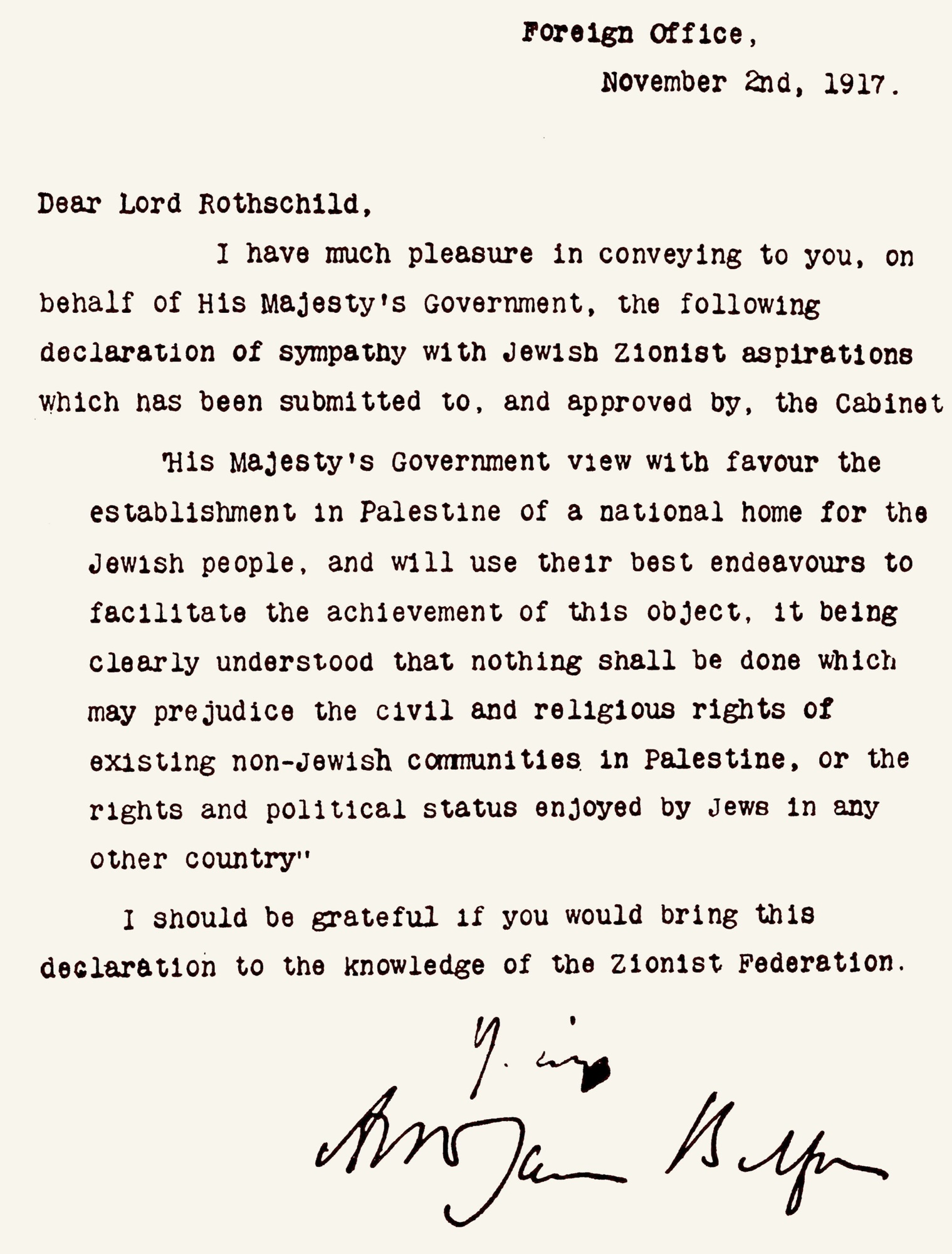
Introduction: The 67 Words That Redrew the Map On November 2, 1917, the British Foreign Secretary, Arthur Balfour, dispatched a private letter to Lord Rothschild, a figurehead of the British Jewish community, for transmission to the Zionist Federation. The text contained within the letter was brief—comprising a mere 67 words of operative policy—but its implications were instrumental in dismantling the geopolitical framework established by the Sykes-Picot AgreementSykes-Picot Agreement Full Description:The 1916 secret pact between Britain and France that partitioned the Ottoman Empire’s Arab provinces into colonial zones of influence. Exposed by the Bolsheviks in 1917, formalized by the San Remo…
-
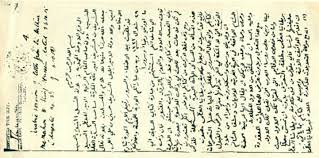
Introduction: The Geometry of a Wartime Alliance In July 1915, a courier traveling from Mecca arrived at the British residency in Cairo carrying a letter addressed to the High Commissioner, Sir Henry McMahon. The letter was signed by Hussein bin Ali, the Sharif of Mecca and the Emir of the Hejaz. It contained a proposal that would fundamentally alter the British strategy in the Middle East: an offer to launch an armed uprising against the Ottoman Empire in exchange for British recognition of an independent Arab state. Over the next eight months, a series of ten letters were exchanged between…
-
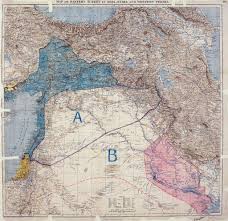
Introduction: The Diplomacy of Partition The Asia Minor Agreement, concluded in May 1916 and retroactively known as the Sykes-Picot AgreementSykes-Picot Agreement Full Description:The 1916 secret pact between Britain and France that partitioned the Ottoman Empire’s Arab provinces into colonial zones of influence. Exposed by the Bolsheviks in 1917, formalized by the San Remo Conference in 1920, and implemented through the League of Nations Mandate system, its borders—drawn without local knowledge or consent—became the boundaries of modern Syria, Iraq, Jordan, and Lebanon. The agreement’s contradictory promises (McMahon-Hussein, Balfour Declaration) created overlapping claims that have fueled conflict for over a century. Critical…
-
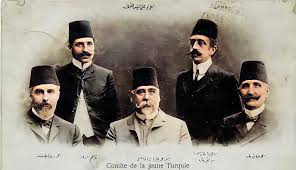
Introduction: The Eastern QuestionEastern Question Full Description:The 19th- and early 20th-century diplomatic problem posed by the decline of the Ottoman Empire. European powers (Britain, France, Russia, Austria-Hungary) each sought to maximize their influence over Ottoman territories without triggering a general European war. The Eastern Question drove the Crimean War (1853–56), the Balkan Wars (1912–13), and ultimately World War I. Critical Perspective:The Eastern Question is the intellectual framework that made Sykes-Picot possible. For a century, European statesmen treated Ottoman lands as an inheritance to be divided among heirs, not as territories with living populations possessing rights. The “question” assumed that Ottomans…