-

When Hafez al-Assad seized power in November 1970 in what he called the Corrective Movement, he inherited a state that had undergone ten coups in twenty-two years. His singular achievement over the next three decades was to ensure there would not be an eleventh — at least not a successful one
-
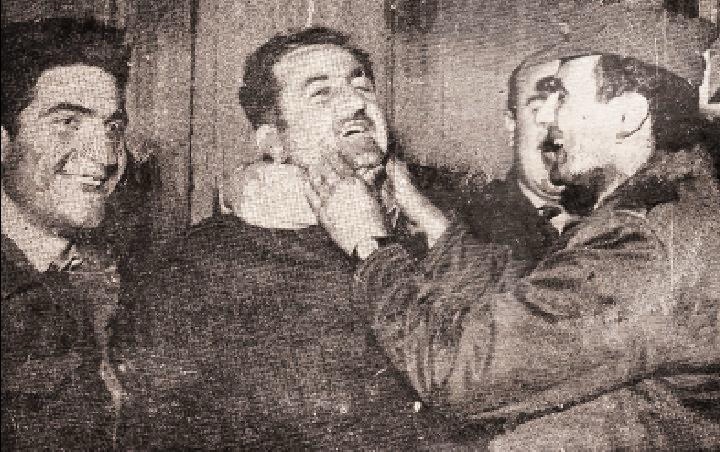
The Ba’ath Party’s seizure of power in 1963 promised Arab socialism and national unity. Within seven years it had consumed itself in factional violence, lost the Golan Heights, and produced the conditions for one man’s absolute rule.
-

Syrian independence in 1946 brought not stability but a revolving door of coups, failed unions and civilian governments undone by their own militaries — and at the root of it all, the unresolved questions the French Mandate had left behind.
-

By 2016, the Syrian war had lasted five years, killed more than four hundred thousand people, displaced approximately half the country’s pre-war population of twenty-two million, and produced a humanitarian catastrophe of a scale Europe had not witnessed since the Second World War.
-

How the French Mandate transformed Syria from the heart of Arab nationalist ambition into a fragmented territory governed by divide-and-rule, setting the foundations for every crisis that followed.
-
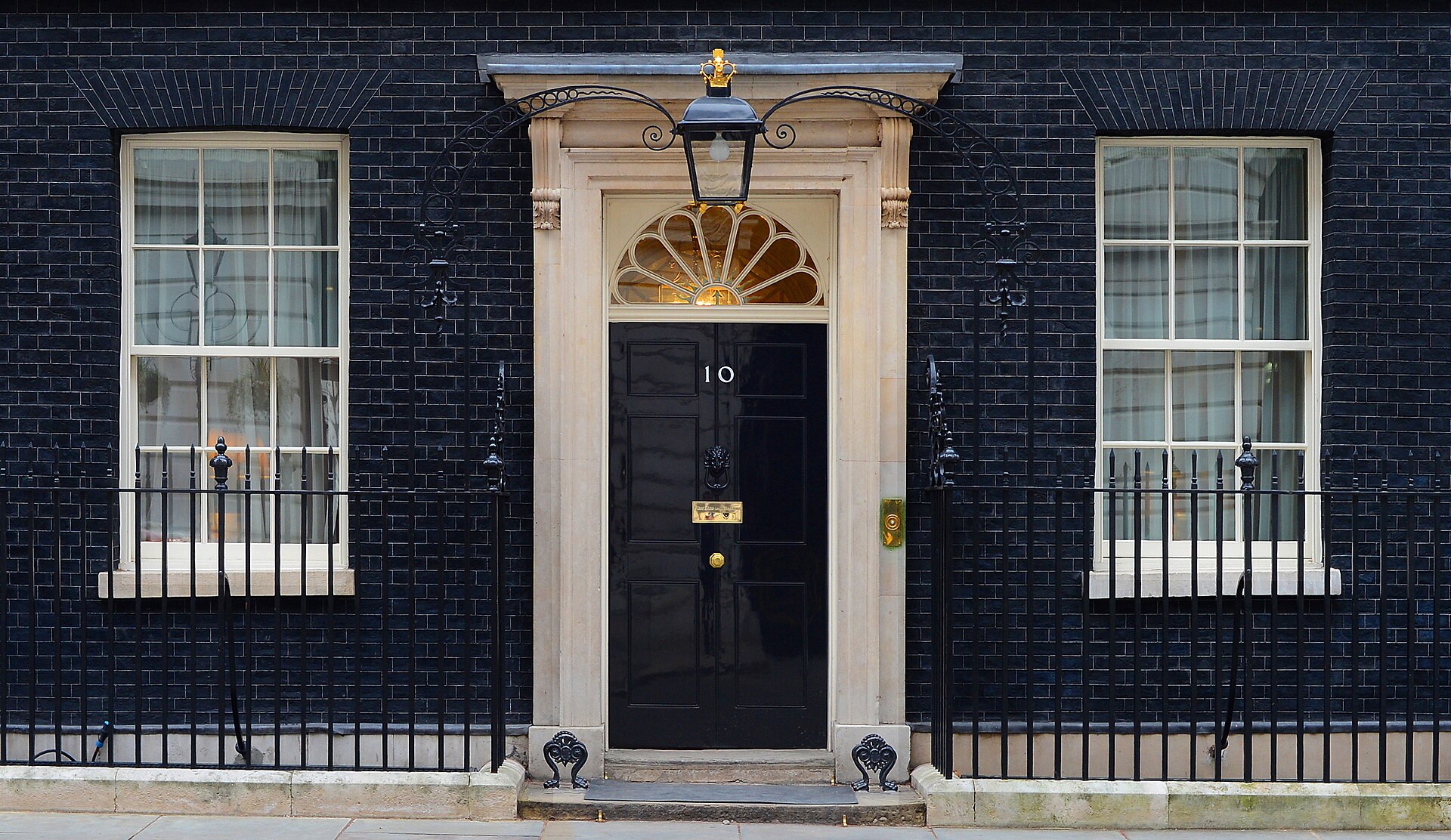
Great Britain is experiencing a significant political shift, marking the decline of both the Conservative and Labour parties. This change, rooted in decades of neoliberalism and economic turmoil, suggests a potential future dominated by Reform UK and the Green Party, as traditional political structures fail to address contemporary issues.
-

From Restraint to Ruin – The Birth of the Bombing WarAt the dawn of World War II in 1939, a fragile consensus existed among the warring powers. Spurred by an appeal from President Roosevelt, leaders like Neville Chamberlain and even Hitler gave public undertakings to abstain from the horror of aerial attacks on civilians. There was a genuine, if naïve, belief that the looming conflict could be “humanised,” and that the bomber would be restricted to purely military targets.But how did this initia
-
In this episode of the Explaining History podcast, host Nick Shepley is joined by veteran journalist and author Paul Vallely to explore the definitive inside story of Live Aid and its far-reaching legacy. Vallely’s new book, Live Aid: The Definitive 40-Year Story from Pop and Poverty to Politics and Power, chronicles the journey from the 1984–85 Ethiopian famine and the iconic 1985 Live Aid concert through four decades of activism against global poverty. The conversation delves into how a charit
-
Who was John Dee—the Tudor polymath who advised Elizabeth I, mapped the heavens, spoke (he believed) with angels, and penned a landmark preface to Euclid? Historian and writer Rachel Morris joins to unpack Dee’s strange, brilliant world at the fault line between Renaissance “natural magic” and the birth of modern science. We explore why astrology was respectable, what “as above, so below” meant to learned magi, how printing turned libraries into engines of ideas, the hazards of practicing magic
-
In the mid-1930s, with the shadow of one great war still looming and the threat of another growing darker, Britain faced a vexing national crisis: should it rearm? This episode delves into the complex political, economic, and social debates that defined this critical period.We explore the profound public anxiety shaped by the memory of World War I and the terrifying new prospect of aerial warfare, as seen in newsreels from Guernica and Nanjing. Drawing on Daniel Todman’s Britain’s War, we unpack