-

In 1991, George H.W. Bush promised a “new world order” — a world in which law and cooperation would replace force and rivalry. Within three years, 800,000 people had been murdered in Rwanda in a hundred days while the international community watched. The 1990s were not a liberal peace. They were a laboratory for the failures that would define the century to come.
-

The fall of the Berlin Wall on 9 November 1989 was, in a sense, a bureaucratic accident. But the accident was only possible because the system behind the wall had already ceased to function. This is the story of how the Cold War ended — and why the world it made was so different from what anyone expected.
-

In August 1981, three days after eleven thousand members of the Professional Air Traffic Controllers Organisation walked off the job in defiance of a federal law prohibiting strikes by government employees, President Ronald Reagan fired all of them, banned them from federal employment for life, and ordered the Federal Aviation Administration to begin immediately training replacements. The action was not unprecedented — there was legal authority for it — but no president had previously used that authority in this way against a union of middle-class professionals who had, moreover, endorsed Reagan in the 1980 election. The PATCO strike was broken…
-

The founding of the People’s Republic of China on 1 October 1949 was the culmination of a civil war that had been running, in one form or another, since 1927. But to understand why that war ended as it did — with Mao’s Communist forces victorious and Chiang Kai-shek’s Nationalist government in flight to Taiwan — you have to go back to the alliance that preceded it: the United Front, and the catastrophic collapse that made the eventual reckoning inevitable.
-

The Greek Civil War of 1946–49 was not merely a military conflict — it was a founding trauma that shaped everything that followed: the suppression of the left, the culture of political exclusion, and the authoritarian undertow that eventually produced the junta of 1967. To understand modern Greece, you have to understand the war that was never allowed to end.
-
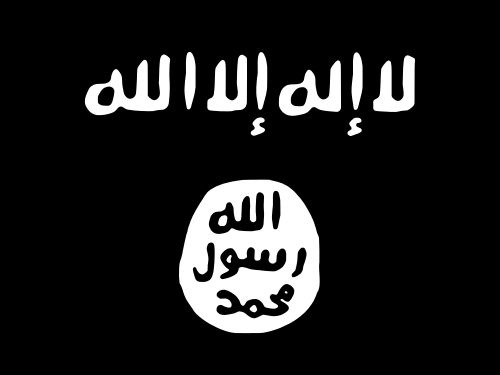
The Islamic State did not emerge from nothing. It emerged from a specific history: from the Al-Qaeda franchise established by Abu Musab al-Zarqawi in Iraq after the American invasion of 2003, from the Sunni insurgency against the US occupation, from the sectarian civil war that followed, from the Iraqi prisons — particularly Camp Bucca — where former Ba’athist officers and Islamist militants shared space and forged relationships, and from the collapse of institutional authority across large areas of Iraq and Syria that created the vacuum into which a ruthlessly organised, apocalyptically motivated organisation could move.
-
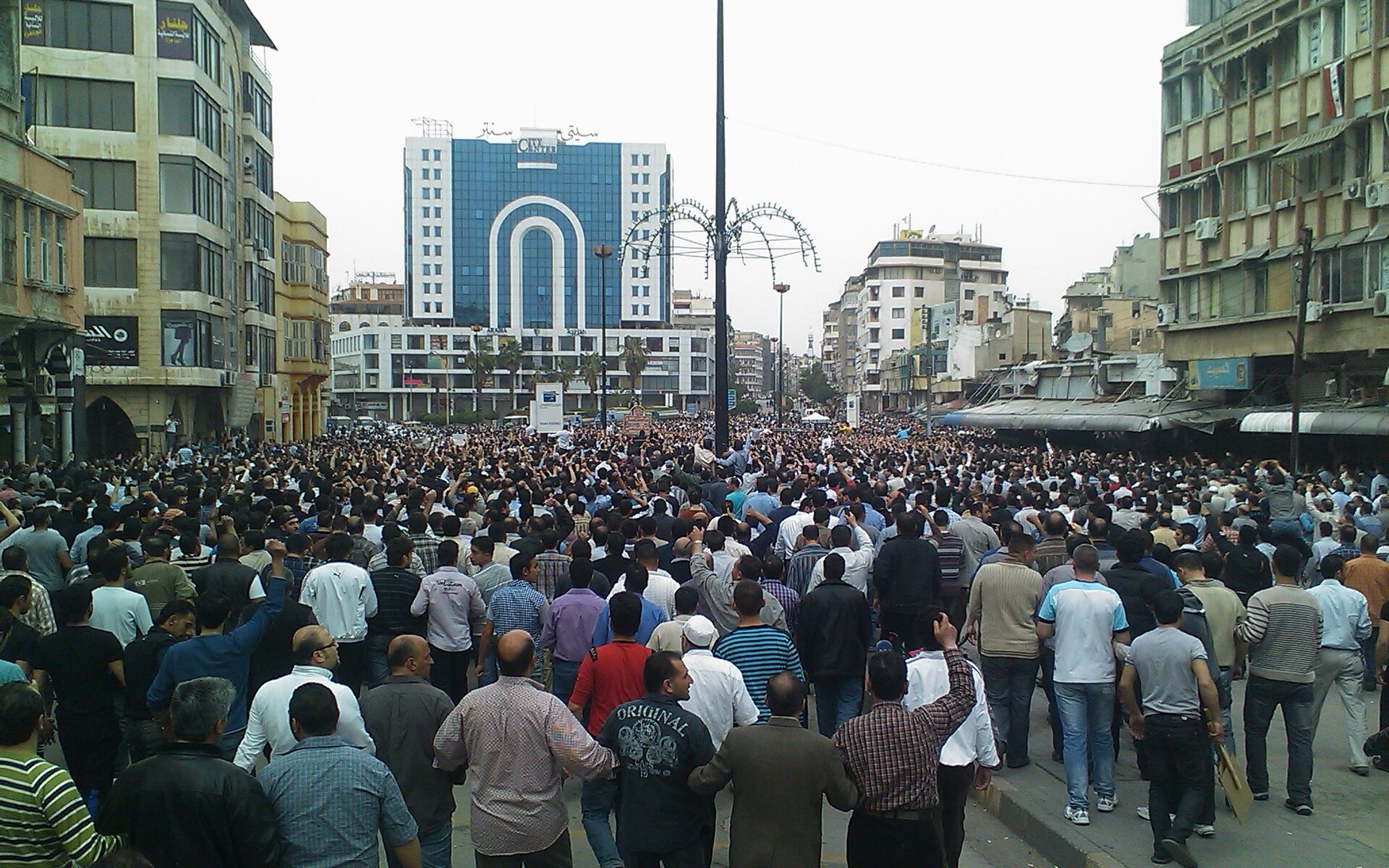
The Syrian uprising that began in Deraa in March 2011 was, in its initial phase, a remarkably diverse and predominantly peaceful movement. The protests that spread from the south to Homs, Hama, Latakia, the suburbs of Damascus, and eventually to Aleppo were not organised by a single political party or ideological movement. They were local, spontaneous, and driven by grievances that were simultaneously economic (unemployment, crony capitalism, rural poverty), political (emergency law, mukhabarat brutality, one-party dictatorship), and profoundly personal — the humiliation of everyday life under a security state that treated citizens as subjects to be managed rather than persons…
-

Bashar al-Assad became president of Syria in July 2000 at the age of thirty-four, inheriting a state built around his father’s personality, sustained by institutions his father had designed, and facing pressures his father had deferred rather than resolved.
-
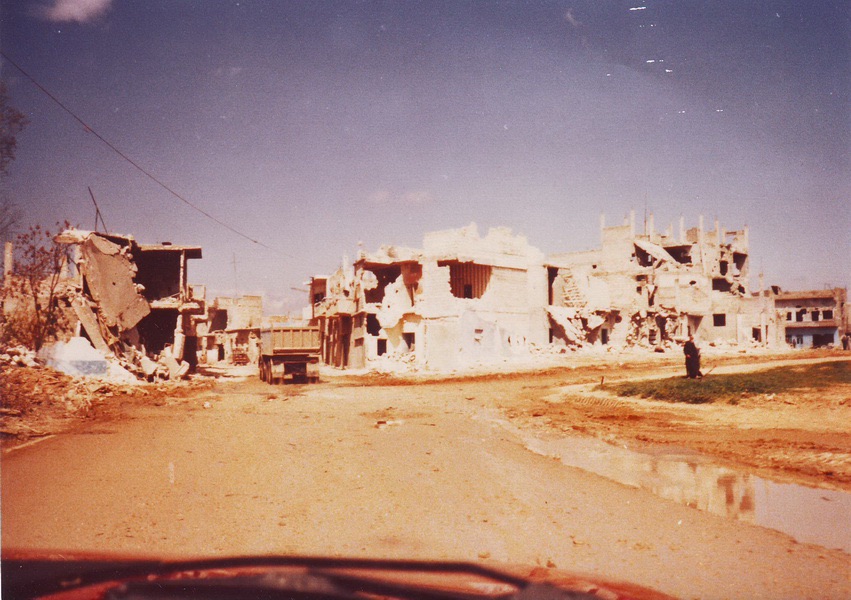
In the first days of February 1982, Syrian army units and security forces surrounded the ancient city of Hama on the Orontes river in central Syria. What followed over the next three weeks was one of the most savage acts of political violence carried out by any Arab government against its own population in the twentieth century — a military assault on an urban centre that killed between ten and forty thousand people, destroyed whole districts of a city that had been continuously inhabited for eight thousand years, and established, beyond any further argument, what the rules of political life…
-

Between 1976 and 2000, Hafez al-Assad transformed Syria from a state perpetually on the brink of internal collapse into a formidable regional power whose approval was required for any significant political transaction in the Levant. He did so not through conventional military dominance — Syria’s armed forces, though large, were never strong enough to defeat Israel outright, and the Gulf monarchies dwarfed Syria’s economic resources — but through a combination of strategic positioning, proxy relationships, calculated ambiguity, and a willingness to sustain costs that other actors could not or would not match.