-
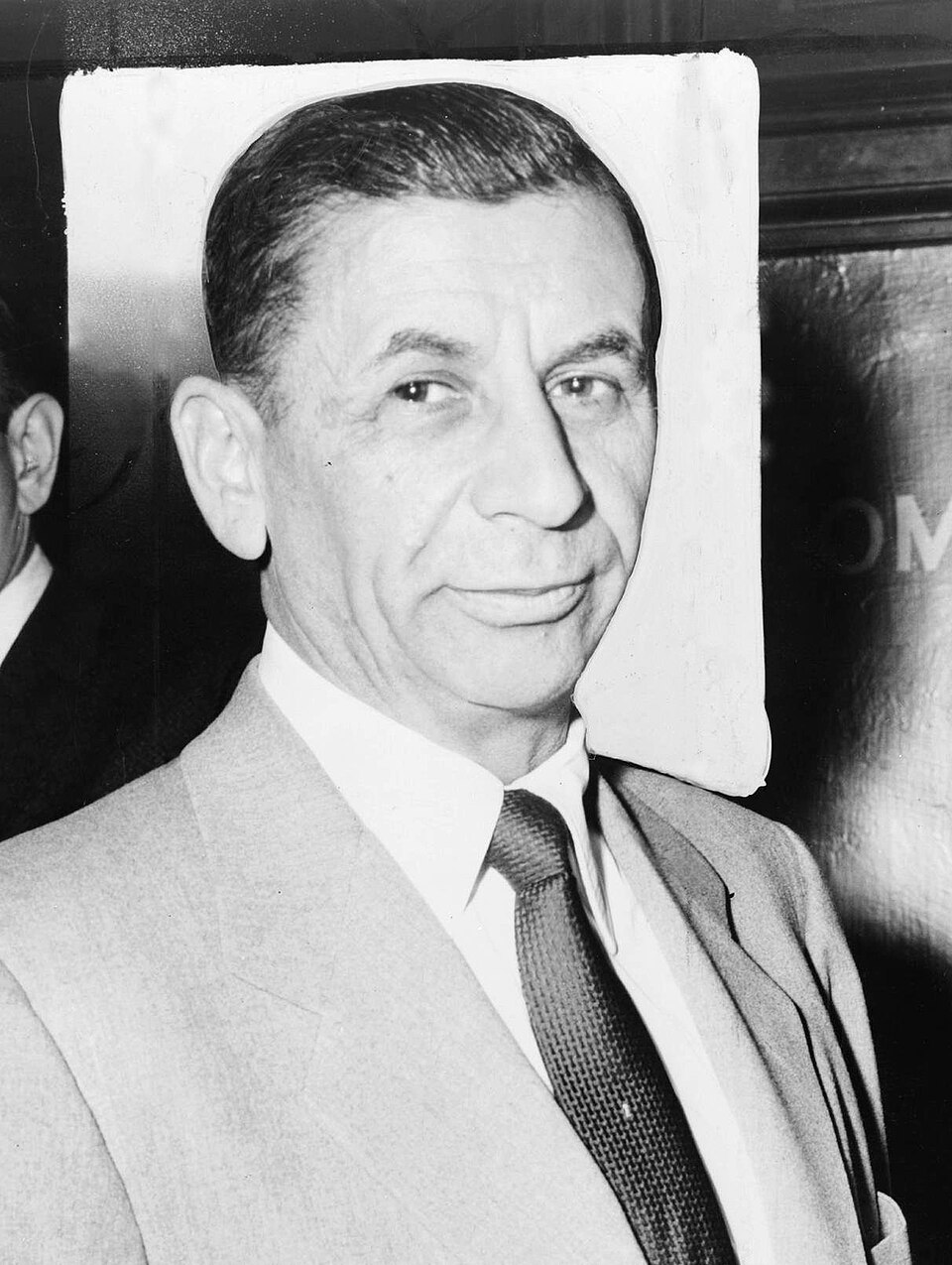
In the latest Explaining History Podcast episode, Dennis Broe discusses his novel Pornocopia, highlighting the intertwined evolution of the gambling and pornography industries in post-war America. By 2024, global porn profits reached $76 billion, overshadowing Hollywood’s $8.5 billion. Broe’s work explores societal conditions influencing these industries and their effects on intimacy and human relationships.
-
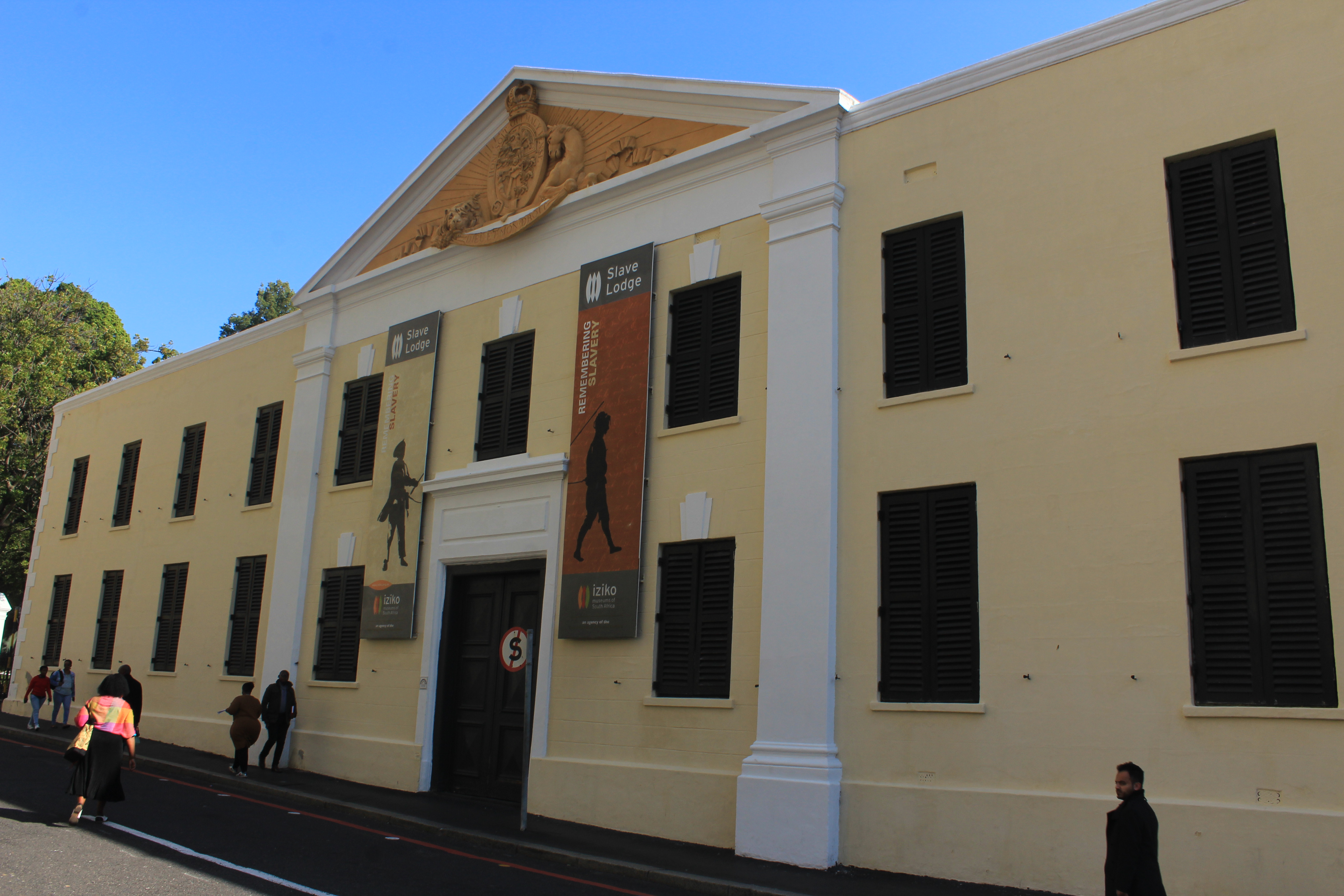
Beyond the Act: What Did Emancipation Really Mean? We tend to think of historical moments like the abolition of slavery as a clean break—a line in the sand. But what if the day you were declared “free,” nothing actually changed? In the latest episode of the Explaining History Podcast, I sat down with novelist Karen Jennings to discuss her new book, The First of December. The title refers to the 1st of December 1838, the day of full emancipation for slaves in South Africa. Why the delay? Because the British government, in its wisdom, had decreed a four-year period of “apprenticeship” for the…
-

Brian Wilson was not just a songwriter; he was a seismograph for the tremors of the American Century. His passing marks the end of an era, and in this special episode of the podcast, I sat down with Toby Manning to discuss why Wilson belongs in the pantheon alongside Lennon, McCartney, and Dylan. The popular image of the Beach Boys is one of endless summer—surfboards, hot rods, and girls in bikinis. But as we discussed, this imagery was always a construction. It was a “white bread” version of rock and roll, stripping the rebellion from the genre and packaging it…
-

It has been ten years since David Bowie died, leaving behind a final album, Blackstar, that felt less like a goodbye and more like a riddle. In the decade since, the industry of “Bowieology” has only accelerated, with exhibitions, documentaries, and archives attempting to pin down the man who made a career out of being unpinnable. In this week’s podcast, I sat down with author Alexander Larman to discuss his new book, Lazarus. Unlike the countless cradle-to-grave biographies that fixate on the glam rock explosion of the 1970s, Larman focuses on the second half of Bowie’s life—a period often dismissed as a…
-

When historians look back at the early 21st century in Britain, the defining theme will not be Brexit or the pandemic, but austerity. It is a policy that has reshaped the social fabric of the nation more profoundly than any event since the Second World War. In this week’s podcast, I sat down with Dr. Rachel Morris to discuss her anthology, Levelling Down. This collection of essays from Bylines Cymru documents the devastation wrought by 15 years of cuts—a process that has arguably “de-developed” the UK. The Economics of Cruelty The logic of austerity, introduced by the Coalition government in 2010, was purportedly…
-

We often think of the “fake heiress” as a modern phenomenon, fueled by Instagram filters and Netflix dramas like Inventing Anna. Yet, over a century ago, a young woman named Violet Charlesworth captivated and scandalized Britain with a grift so audacious it dominated the front pages for years. In the latest episode of the Explaining History podcast, I sat down with author Mark Bridgman to discuss his new book, Nothing for Something, which unravels the life of this extraordinary Edwardian fraudster. The Inheritance ScamViolet Charlesworth was born May Charlesworth to working-class parents in the Midlands. However, driven by a mother…
-

When we picture the architects of our modern economy, who comes to mind? We see industrialists in top hats, bankers in boardrooms, and perhaps legions of men in flat caps marching out of factories. The story of economic history, as it’s almost always been told, is a story about men. It is a narrative of male innovation, male labour, and male genius. And according to historian Dr Victoria Bateman, it is a monumental falsehood. In a compelling episode of the Explaining History podcast, Dr Bateman discusses her new book, Economica: A Global History of Women, Wealth and Power, a hugely ambitious project that…
-
For many in the West, Uzbekistan is a name that conjures images of the ancient Silk Road, of shimmering turquoise domes rising from the desert in Samarkand and Bukhara. Yet, beyond this historical mirage lies a complex, modern nation at a pivotal crossroads. A country of 35 million people, strategically positioned and undergoing a profound transformation, Uzbekistan is a key player in a region that is rapidly gaining global significance