-

We often imagine history with a false sense of linearity—a steady march from a repressive past to an enlightened present. There’s a mistaken belief that before certain landmark dates, like the 1967 decriminalization of homosexuality for men, queer lives simply didn’t exist. Of course, the reality is far more complex. People have always had secret inner lives, passions, and relationships, often hidden in plain sight, existing in the quiet spaces between the lines of official history. On a recent episode of the “Explaining History” podcast, novelist Vicki Haywood joined the show to discuss her debut novel, a story that delves…
-
In the newspapers of today, it’s not uncommon to see retired generals and security experts calling for increased defense spending and a renewed focus on military readiness, often citing rising global tensions. These debates, echoing through the halls of power, are not new. In fact, they are hauntingly similar to the vexed conversations that dominated British politics in the mid-to-late 1930s, a period when a nation, still scarred by one war, had to confront the terrifying possibility of another. As we explored in our latest podcast episode, the story of British rearmament is far more complex than a simple narrative…
-
Date: September 17, 2025 Author: The Explaining History Podcast Table of Contents Introduction: A Treatise for Our Times In the final years of his life, the esteemed historian Tony Judt penned a powerful and moving lament. His book, Ill Fares the Land, is more than a historical analysis; it is a poignant treatise on the perceived death of social democracy and the subsequent ruination wrought by neoliberalism. Judt writes not as a detached academic, but as a concerned citizen mourning the loss of a collective ideal—the post-war consensus that sought to build a more equitable society through state intervention and…
-
There is no political phrase in the British lexicon more durable, more cherished, and more damaging than the “Special Relationship.” Invoked by Prime Ministers of all stripes, it is presented as the bedrock of our foreign policy—a unique bond of history, culture, and mutual interest shared with the United States. As Keir Starmer’s government now prepares to host Donald Trump for an unprecedented second state visit, this phrase will be uttered with renewed, desperate hope. But it is a lie. The “Special Relationship” is Britain’s most comforting and destructive political myth. It is not a partnership of equals; it is…
-
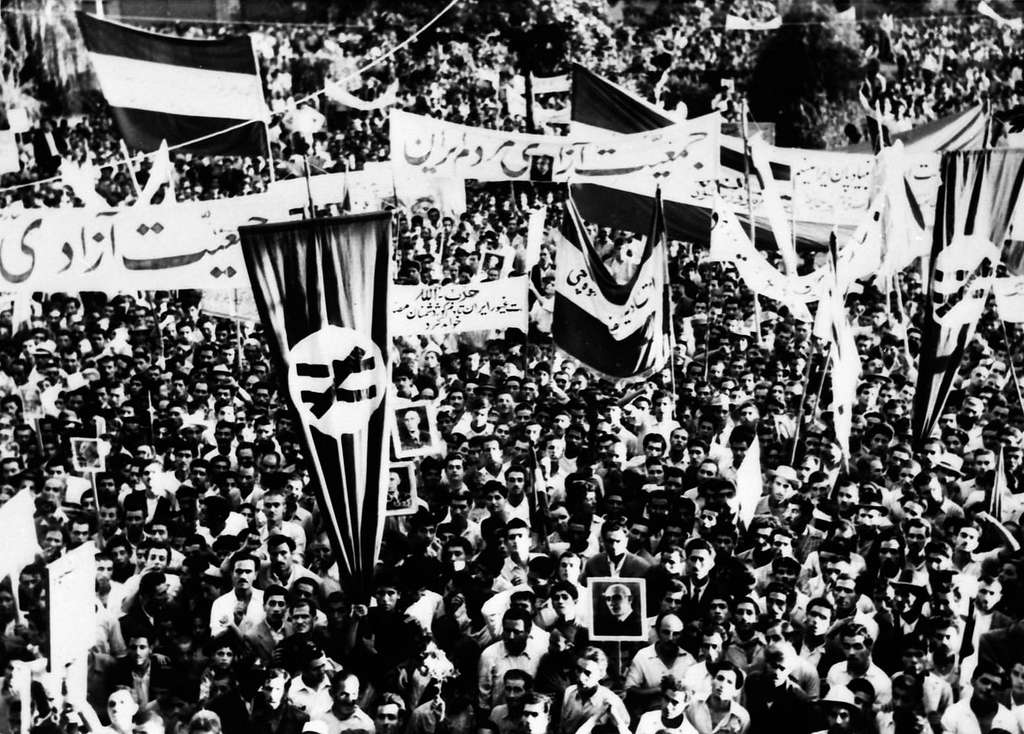
In one decisive episode, a democratically elected leader was removed in a covert Anglo-American operation, foreign powers reasserted control over Iranian oil, and the Shah’s autocracy was restored.
-
The Great Depression (1929–39) affected nations differently. By 1933, industrial output had plunged 30–50% in many countries, and unemployment soared into double-digits (Romer 2003). Yet the timing and strength of recovery varied dramatically. For example, Sweden and the United Kingdom were largely back to or above 1929 output levels by the mid‑1930s, whereas the United States and France lagged, and Germany’s rebound was tied to its rearmament policies. This article examines case studies of the United States, the United Kingdom, Germany, France, and Sweden, analyzing how policy choices – abandoning the gold standard, fiscal and monetary stimulus, and political upheavals…
-
The 1930s Great Depression was a cataclysmic economic crisis. By 1932–33 industrial output and trade had collapsed worldwide, unemployment soared (over 20% in the US at its peak) and thousands of banks failed. Traditional “classical” economics – with its faith in self-correcting markets and the gold standard – had offered no relief. In fact, economists like Barry Eichengreen argue that adherence to gold constrained policy response: central banks could not expand the money supply freely because they were bound by fixed exchange rates . Only when Britain finally abandoned gold in September 1931 did policy-makers feel freed. As Keynes himself…
-
Introduction The Great Depression of the 1930s was an economic cataclysm that struck virtually every industrialized nation. At its core was an unprecedented surge in unemployment, which not only devastated livelihoods but also shook the political and social foundations of countries around the world. This article provides a comparative analysis of unemployment during the Depression in the United States, United Kingdom, and Germany – three nations with vastly different experiences and responses. We will outline the scale and trajectory of joblessness from the 1929 crash through the mid-1930s, examine the social consequences (poverty, homelessness, migration, discontent) wrought by mass unemployment,…
-
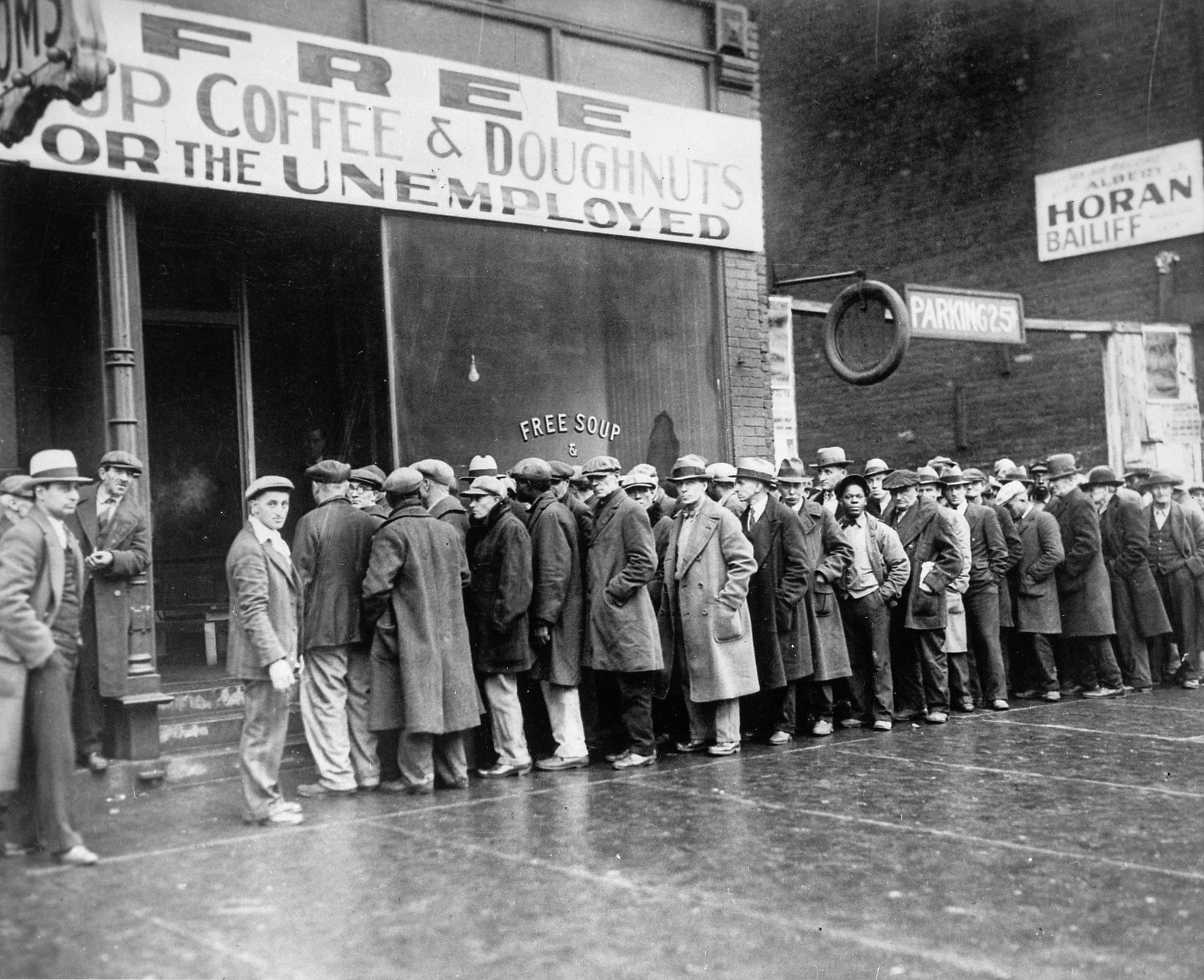
Introduction The Great Depression was the most severe and prolonged economic crisis of the 20th century, lasting from 1929 through the late 1930s. It originated in the United States but quickly spread worldwide, leading to collapsing industrial output, mass unemployment, and social misery on an unprecedented scale . In the U.S., industrial production fell by over one-third and unemployment reached around 25% at its peak . Globally, no region was spared: what began as an American downturn soon “engulfed virtually every manufacturing country and all food and raw materials producers” as John Maynard Keynes observed in 1931 . Understanding why…