-

The founding of the People’s Republic of China on 1 October 1949 was the culmination of a civil war that had been running, in one form or another, since 1927. But to understand why that war ended as it did — with Mao’s Communist forces victorious and Chiang Kai-shek’s Nationalist government in flight to Taiwan — you have to go back to the alliance that preceded it: the United Front, and the catastrophic collapse that made the eventual reckoning inevitable.
-

When the United States entered the Second World War, Hollywood did not wait to be asked. The studios mobilised with a speed and enthusiasm that surprised even the government agencies tasked with directing them. What followed was one of the most remarkable experiments in democratic propaganda in modern history — a partnership between the world’s most powerful entertainment industry and a government fighting for its survival.
-

On the morning of 5 August 1914, British cable ships moved to sever Germany’s undersea telegraph cables — among the first acts of the war and, in retrospect, one of the most consequential. It was the opening move in a new kind of conflict: one in which the control of information was not peripheral to strategy but central to it, and in which governments would learn, permanently, to treat the beliefs of their own citizens as a resource to be managed.
-
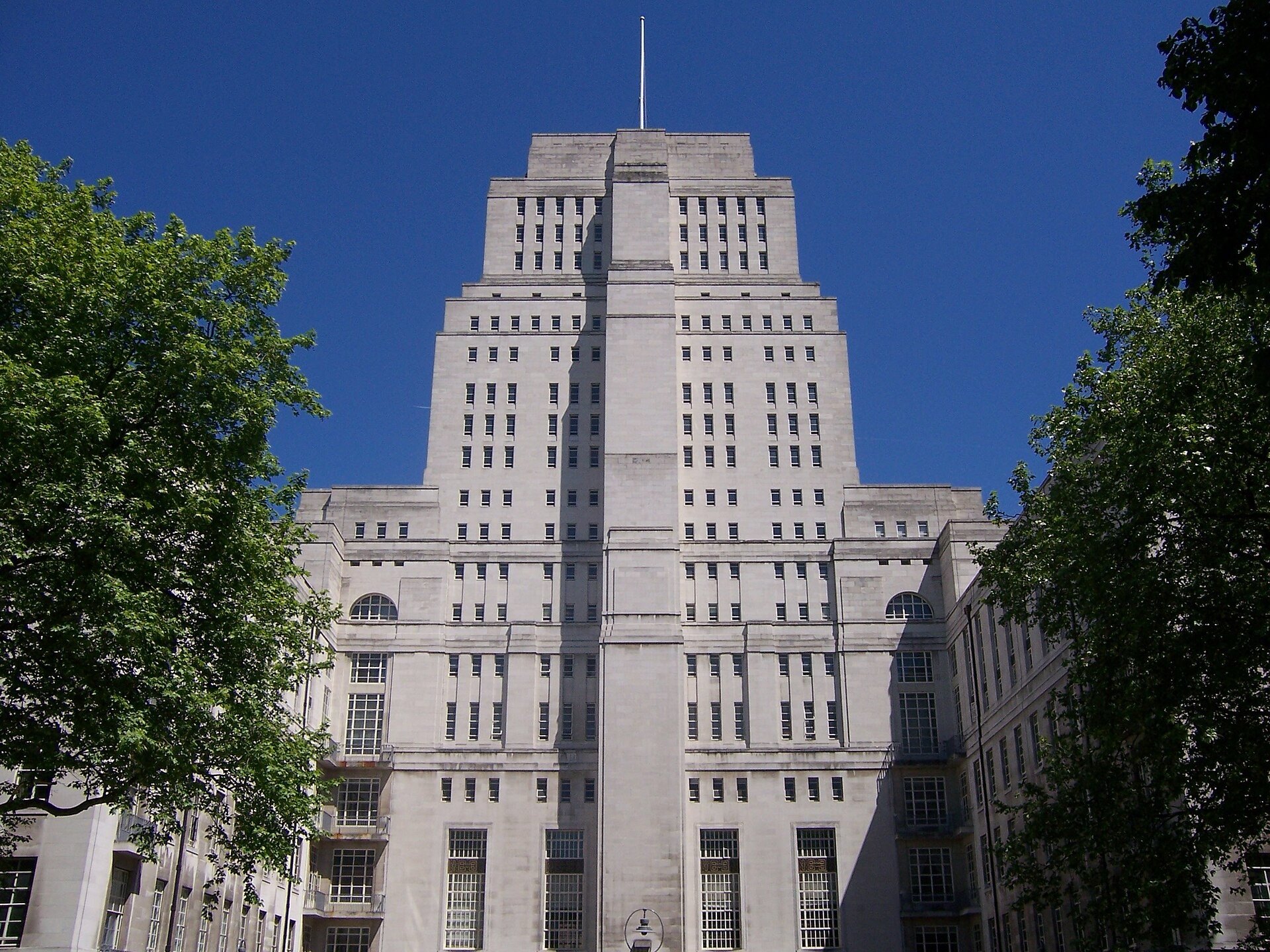
The Second World War was fought on two fronts simultaneously: the military and the cultural. Governments on both sides understood that modern industrial warfare required the consent and active participation of civilian populations, and that consent had to be manufactured, sustained, and defended against erosion. What divided Britain and Germany was not the willingness to use culture as a weapon, but the very different relationships each had with truth.
-

The Greek Civil War of 1946–49 was not merely a military conflict — it was a founding trauma that shaped everything that followed: the suppression of the left, the culture of political exclusion, and the authoritarian undertow that eventually produced the junta of 1967. To understand modern Greece, you have to understand the war that was never allowed to end.
-

In the summer of 1914, the Ottoman Empire faced a world of enemies. Surrounded by voracious powers – Britain in Egypt, Russia along the Black Sea, a hostile Habsburg Empire to the west, and a recently hostile Italy in the Mediterranean – the Young Turks who ruled the empire saw enemies everywhere. Their desperate gamble to cut the Suez Canal would become one of the most audacious – and doomed – campaigns of the First World War.
-
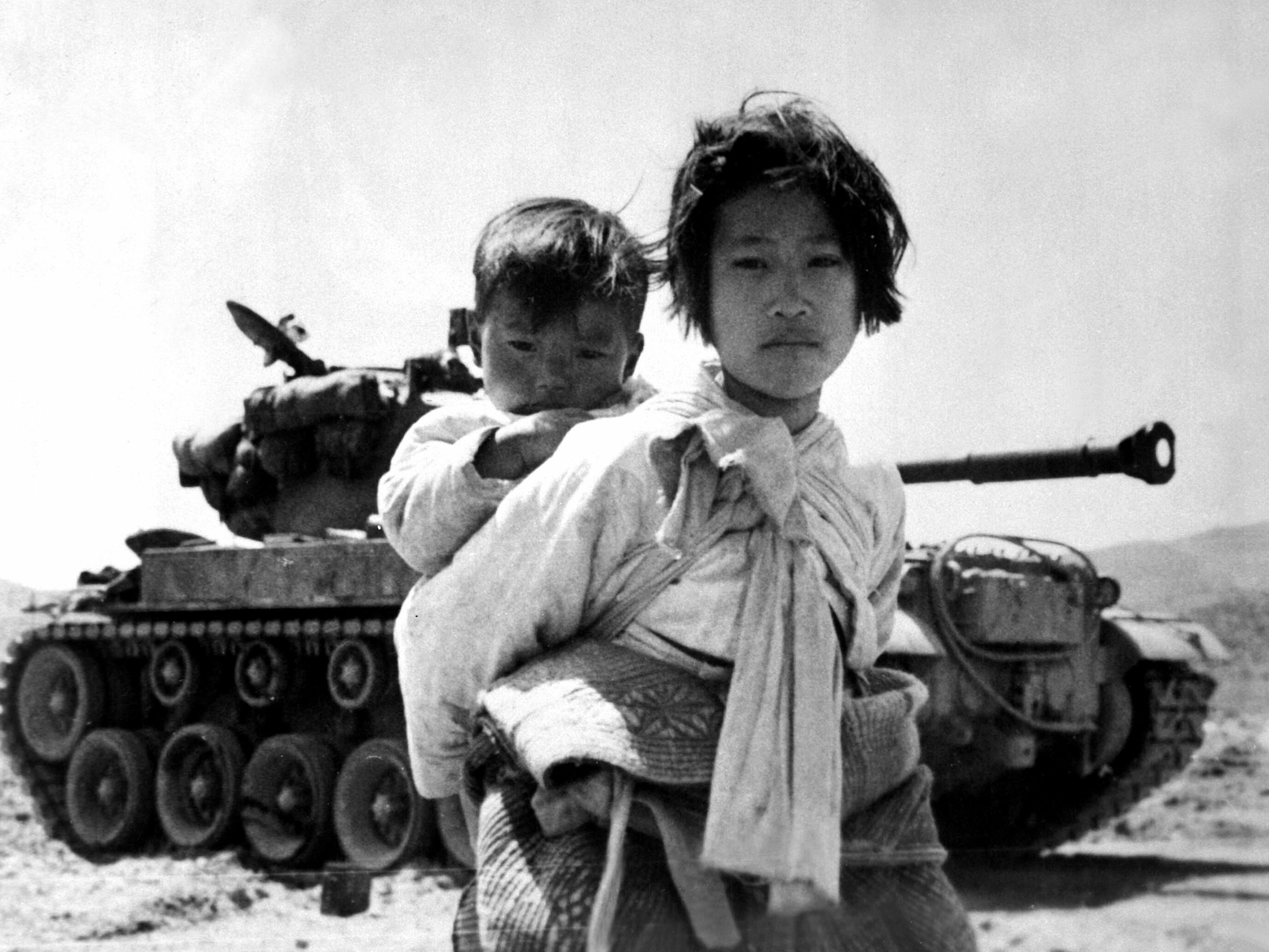
In the latest episode of the Explaining History Podcast, Paige Towers unpacks the painful history of Korean intercountry adoption – a story of good intentions, colonial attitudes, reckless systems, and the voices of adoptees finally being heard.
-
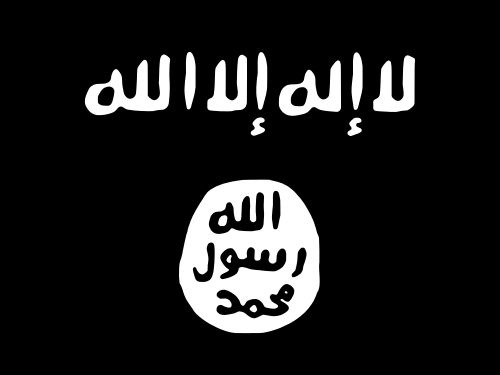
The Islamic State did not emerge from nothing. It emerged from a specific history: from the Al-Qaeda franchise established by Abu Musab al-Zarqawi in Iraq after the American invasion of 2003, from the Sunni insurgency against the US occupation, from the sectarian civil war that followed, from the Iraqi prisons — particularly Camp Bucca — where former Ba’athist officers and Islamist militants shared space and forged relationships, and from the collapse of institutional authority across large areas of Iraq and Syria that created the vacuum into which a ruthlessly organised, apocalyptically motivated organisation could move.
-
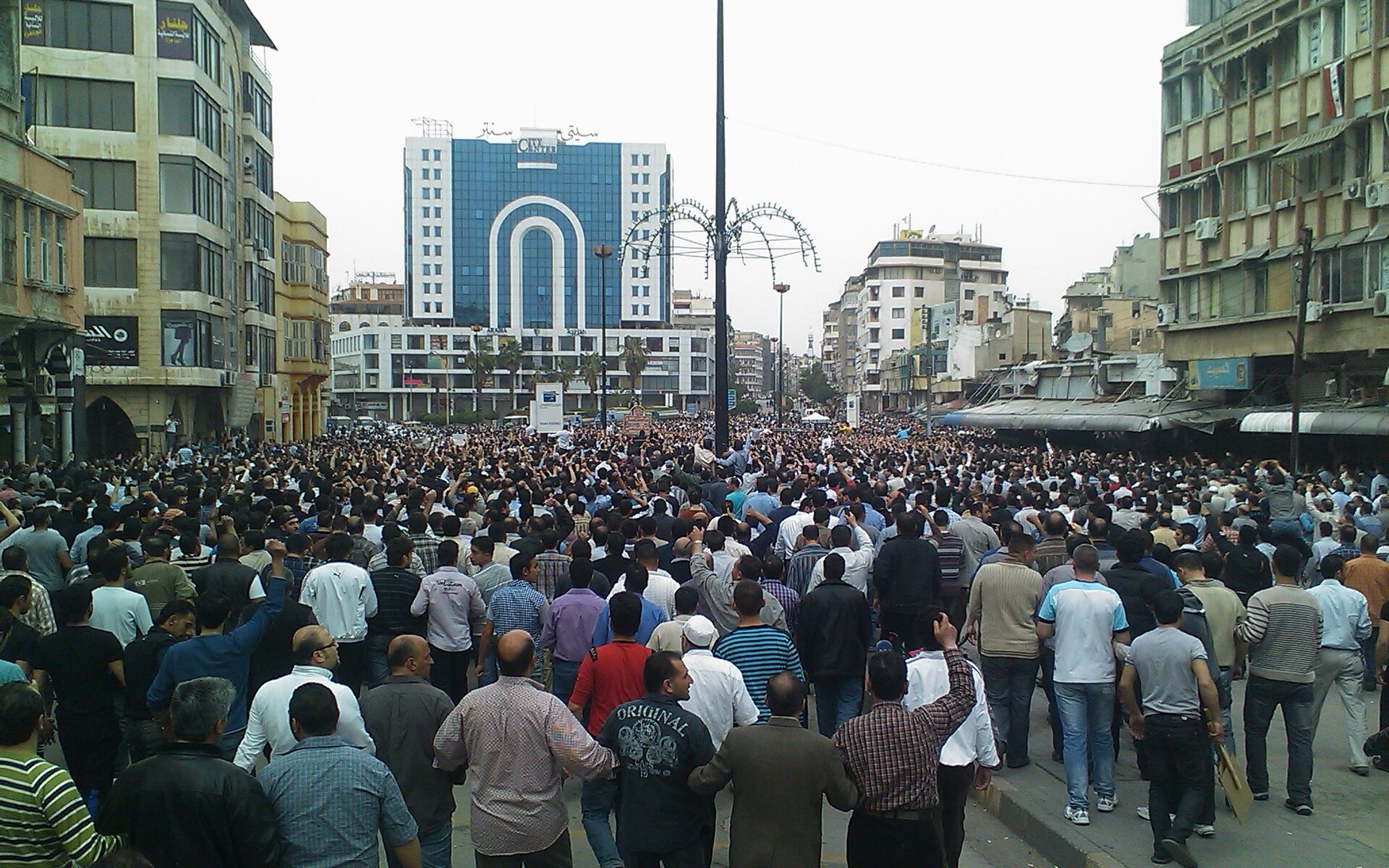
The Syrian uprising that began in Deraa in March 2011 was, in its initial phase, a remarkably diverse and predominantly peaceful movement. The protests that spread from the south to Homs, Hama, Latakia, the suburbs of Damascus, and eventually to Aleppo were not organised by a single political party or ideological movement. They were local, spontaneous, and driven by grievances that were simultaneously economic (unemployment, crony capitalism, rural poverty), political (emergency law, mukhabarat brutality, one-party dictatorship), and profoundly personal — the humiliation of everyday life under a security state that treated citizens as subjects to be managed rather than persons…
-

Bashar al-Assad became president of Syria in July 2000 at the age of thirty-four, inheriting a state built around his father’s personality, sustained by institutions his father had designed, and facing pressures his father had deferred rather than resolved.