-

The demographic transformation that made Black music audible to a mass American audience began in the decade before World War I and accelerated dramatically during and after it. The Great Migration — the movement of Black Southerners out of the Jim Crow South toward the industrial cities of the North — reshaped the human geography of the United States and carried with it the musical cultures of the Mississippi Delta, the Georgia sea islands, the Texas plains, and the New Orleans streets.
-
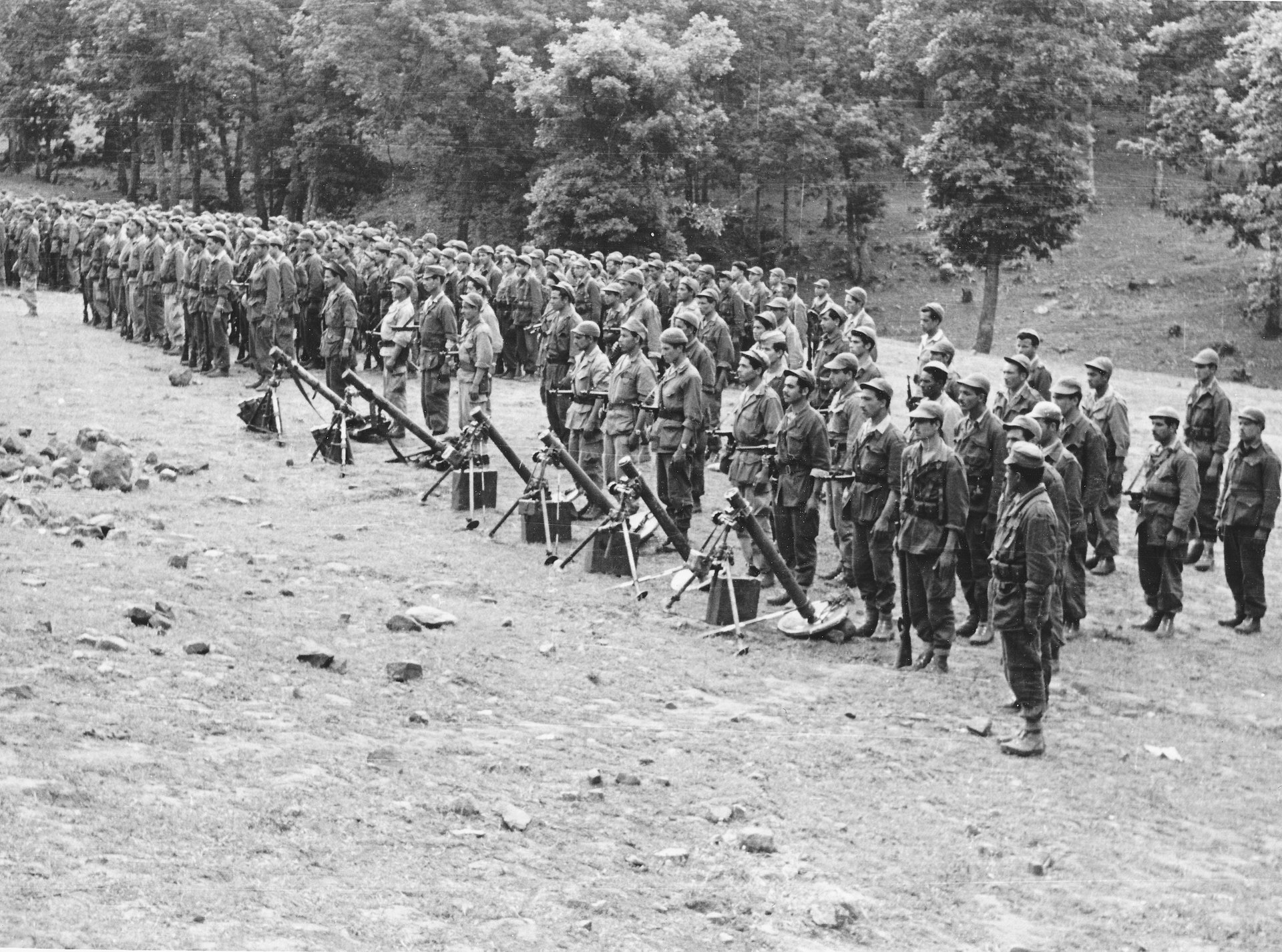
On 1 November 1954, a series of coordinated attacks across Algeria announced the birth of a new organisation and the start of a conflict that would, over the next seven and a half years, kill somewhere between three hundred thousand and a million people — the uncertainty in that figure is itself historically significant — and fundamentally transform both Algeria and France.
-
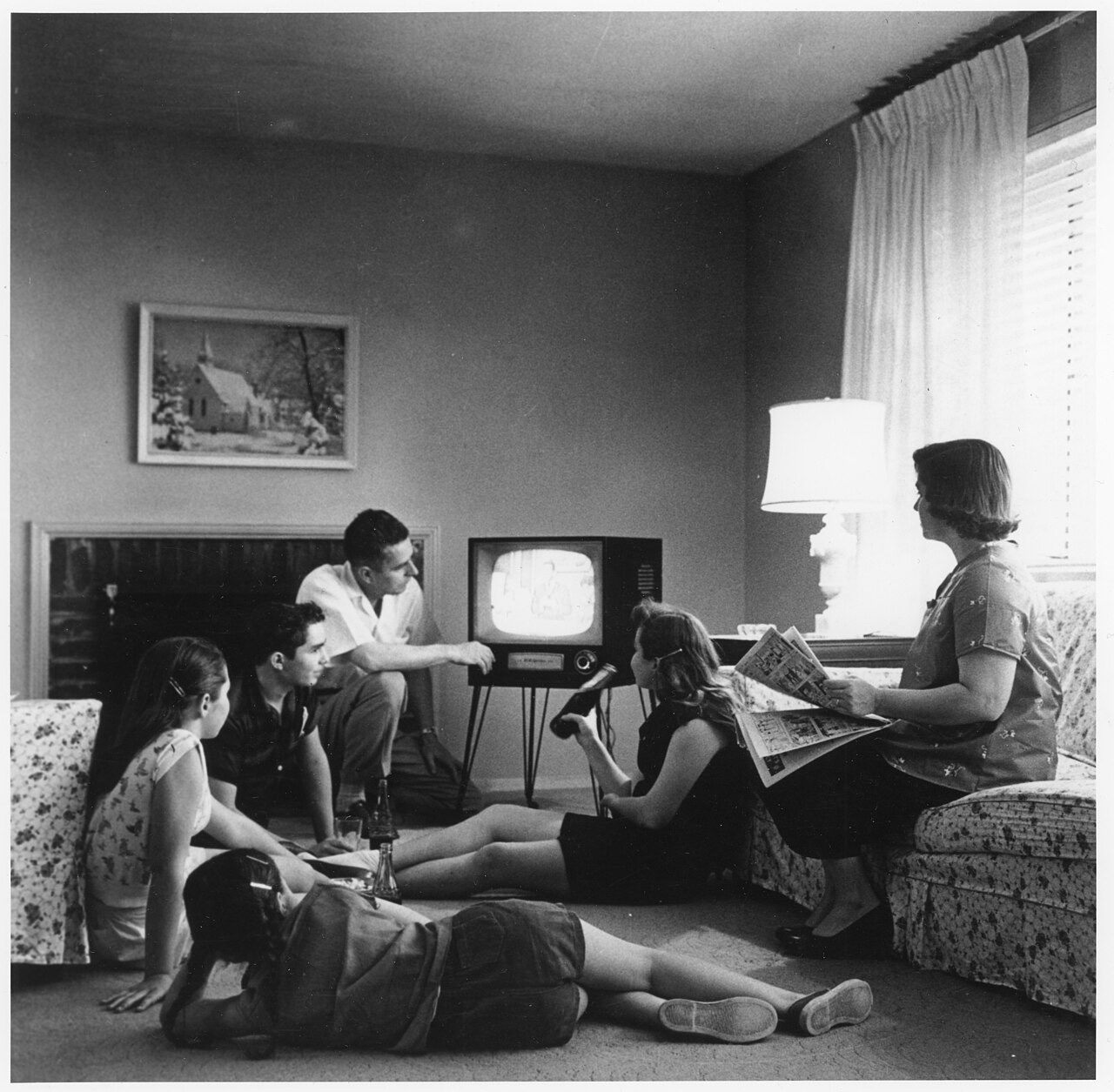
In the spring of 1939, the Radio Corporation of America unveiled a remarkable device at the New York World’s Fair. David Sarnoff, RCA’s imperious president, declared television the newest wonder of a wonder-making age. Families queued to peer into a cathode-ray screen where blurry figures moved against grey backgrounds, and the moment was recorded for posterity as the birth of an industry.
-

The Europe that emerged from the Second World War in 1945 was a continent of ruins — physical, moral, and institutional. How artists and filmmakers responded to that destruction, what they chose to show and what they could not bring themselves to face, tells us as much about the possibilities and limits of cultural reconstruction as any political history of the period.
-

The founding of the People’s Republic of China on 1 October 1949 was the culmination of a civil war that had been running, in one form or another, since 1927. But to understand why that war ended as it did — with Mao’s Communist forces victorious and Chiang Kai-shek’s Nationalist government in flight to Taiwan — you have to go back to the alliance that preceded it: the United Front, and the catastrophic collapse that made the eventual reckoning inevitable.
-

When the United States entered the Second World War, Hollywood did not wait to be asked. The studios mobilised with a speed and enthusiasm that surprised even the government agencies tasked with directing them. What followed was one of the most remarkable experiments in democratic propaganda in modern history — a partnership between the world’s most powerful entertainment industry and a government fighting for its survival.
-

On the morning of 5 August 1914, British cable ships moved to sever Germany’s undersea telegraph cables — among the first acts of the war and, in retrospect, one of the most consequential. It was the opening move in a new kind of conflict: one in which the control of information was not peripheral to strategy but central to it, and in which governments would learn, permanently, to treat the beliefs of their own citizens as a resource to be managed.
-
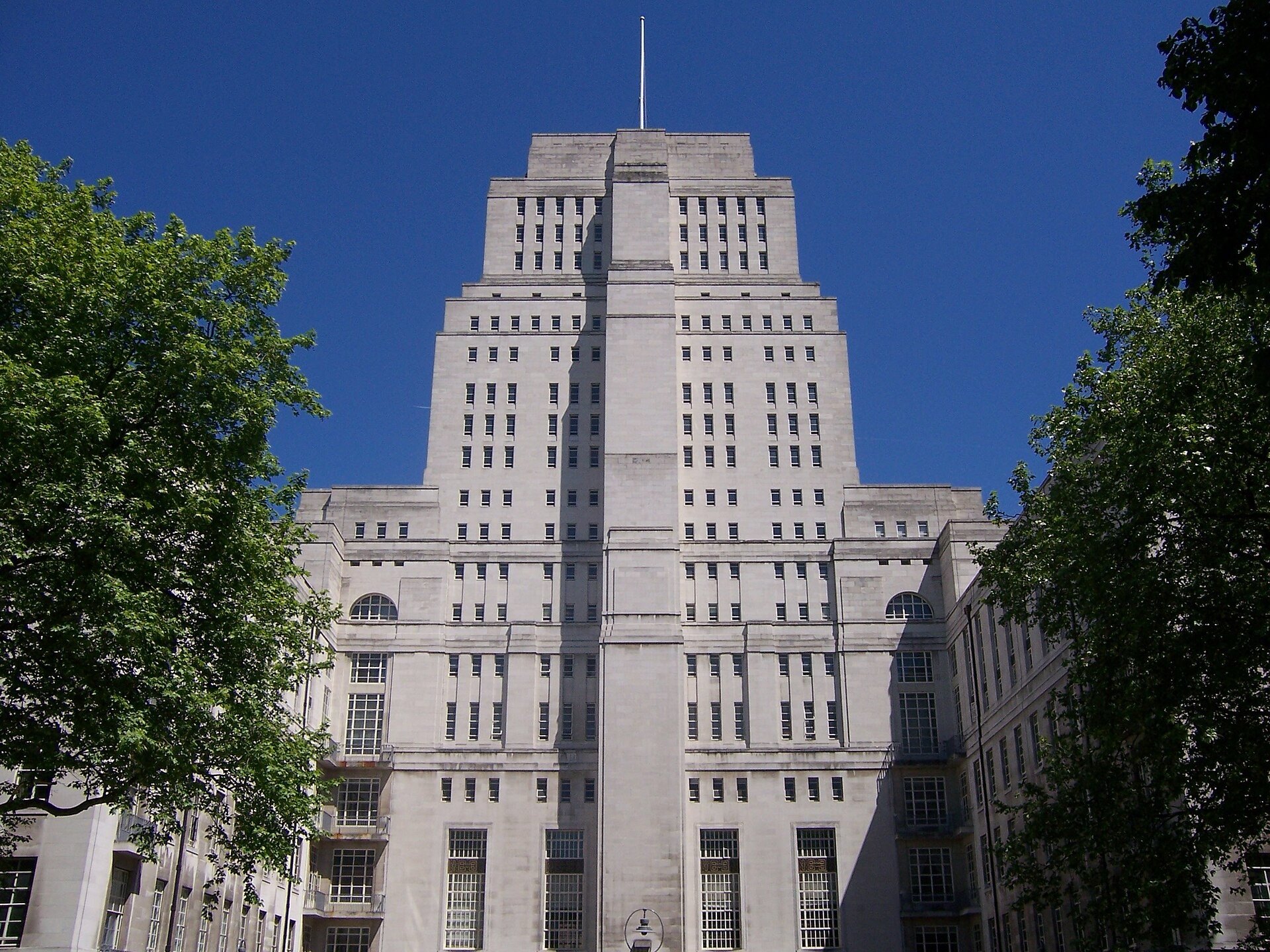
The Second World War was fought on two fronts simultaneously: the military and the cultural. Governments on both sides understood that modern industrial warfare required the consent and active participation of civilian populations, and that consent had to be manufactured, sustained, and defended against erosion. What divided Britain and Germany was not the willingness to use culture as a weapon, but the very different relationships each had with truth.
-

The Greek Civil War of 1946–49 was not merely a military conflict — it was a founding trauma that shaped everything that followed: the suppression of the left, the culture of political exclusion, and the authoritarian undertow that eventually produced the junta of 1967. To understand modern Greece, you have to understand the war that was never allowed to end.
-

In the summer of 1914, the Ottoman Empire faced a world of enemies. Surrounded by voracious powers – Britain in Egypt, Russia along the Black Sea, a hostile Habsburg Empire to the west, and a recently hostile Italy in the Mediterranean – the Young Turks who ruled the empire saw enemies everywhere. Their desperate gamble to cut the Suez Canal would become one of the most audacious – and doomed – campaigns of the First World War.