-
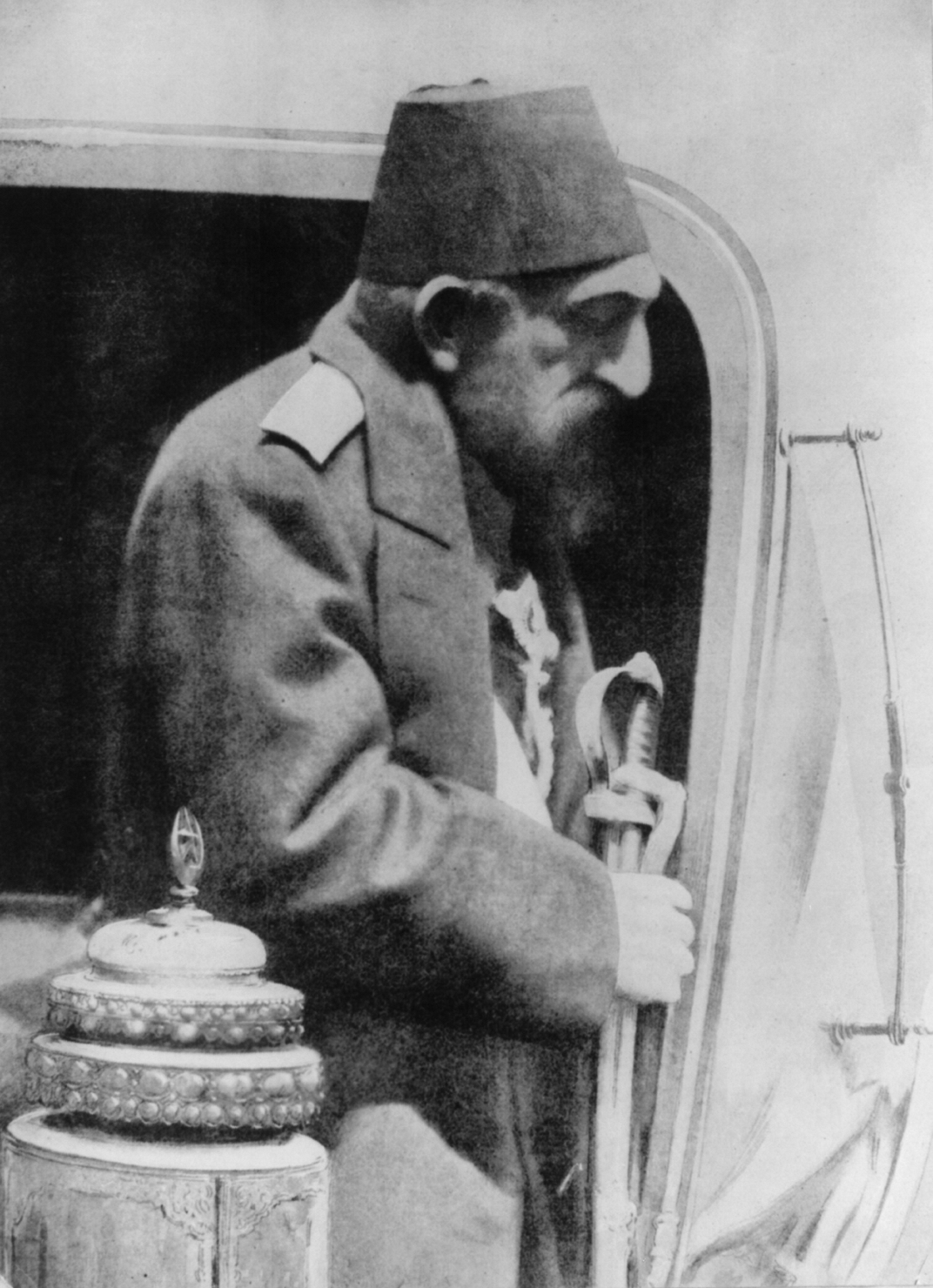
Revolutions rarely end with the fall of the old regime. Often, that is merely the prelude to a deeper, bloodier struggle over what comes next. In the Ottoman Empire, the Young Turk Revolution of 1908 was greeted with jubilation. Turks, Arabs, and Armenians celebrated in the streets, believing that the restoration of the constitution would save the empire.
-
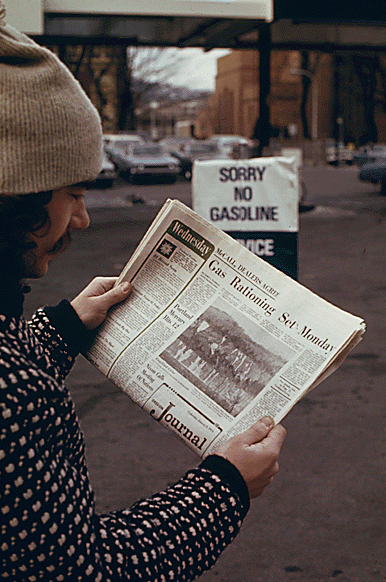
The post-war era in the West is often viewed through a lens of nostalgia. It was a time of unprecedented growth, rising living standards, and the expansion of the middle class. But this “Golden Age” rested on a single, precarious foundation: cheap oil. In this week’s podcast, I explored how that foundation crumbled in the 1970s, paving the way for the neoliberal revolution that followed. Drawing on Gary Gerstle’s The Rise and Fall of the Neoliberal Order, we looked at the pivotal moment when the flow of cheap energy stopped. The Commodity Trap Between 1948 and 1972, global oil production quintupled.…
-
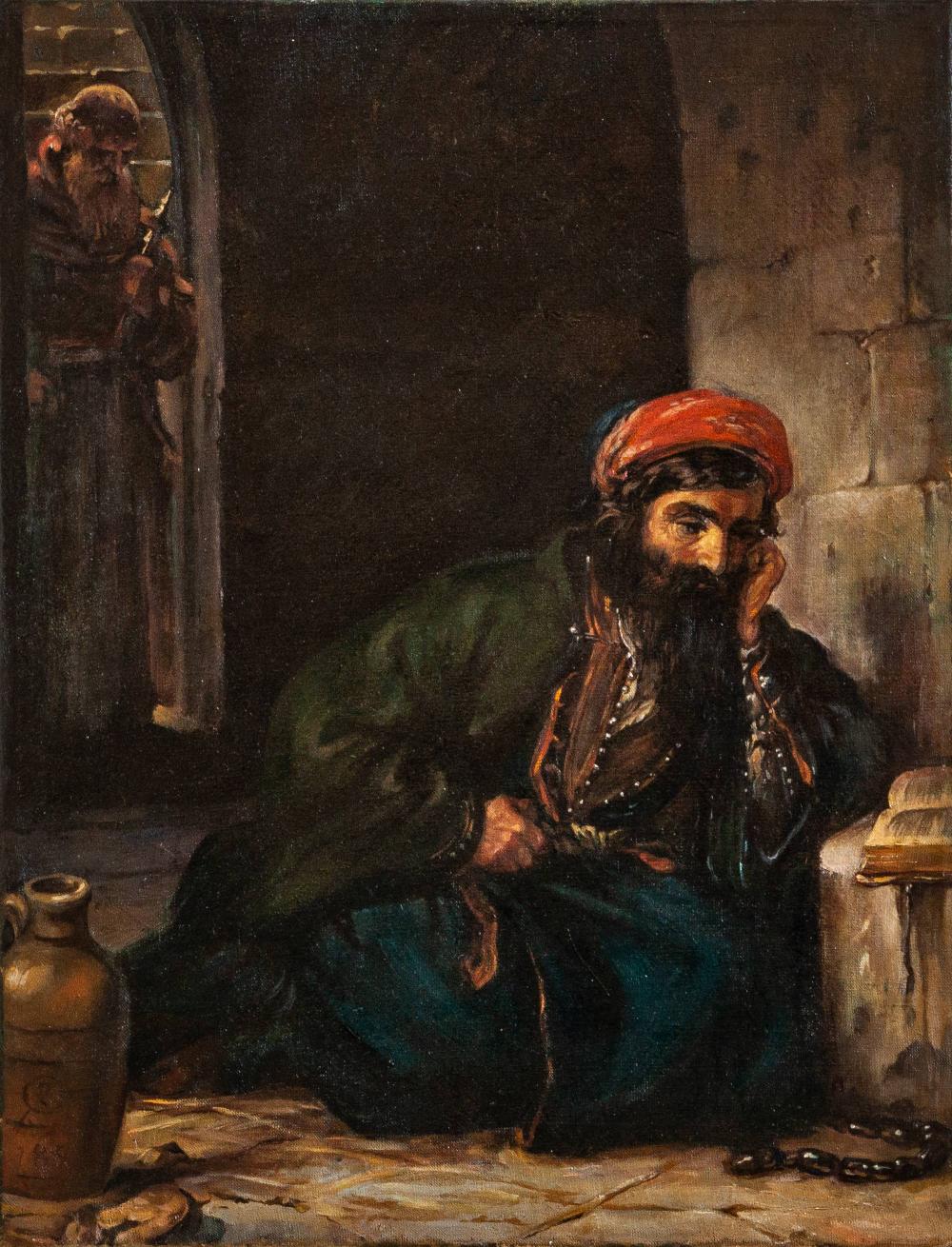
In the modern imagination, the history of antisemitism often focuses on the horrors of the 20th century or the pogroms of Tsarist Russia. But to understand the birth of modern Jewish politics, we must look to the year 1840 and the city of Damascus. In this week’s podcast, I explored the “Damascus Affair,” a crisis that Jonathan Frankel argues was a landmark moment for the Jewish world. When a Capuchin friar and his servant vanished in Damascus, the local Christian community and the French consul revived the medieval blood libel—the false accusation that Jews murder Christians to use their blood…
-

In this episode of Explaining History, we delve into the intricate web of diplomacy, ambition, and betrayal that led the Ottoman Empire into the Great War. Drawing from Eugene Rogan’s “The Fall of the Ottomans,” we explore the Empire’s precarious position in the years before 1914, caught between the competing interests of Europe’s great powers.Discover Germany’s strategic “Weltpolitik,” which saw the Ottomans as a key partner to challenge British and Russian dominance, leading to ambitious proje
-
During the Second World War Mohammad Reza Pahlavi took to the throne of Iran, placed into power by the British and the Soviets to depose his Nazi backing father. The Shah was able to break from the constitutional limitations upon him in 1953 after the British and Americans overthrew Iran’s Prime Minister Mohammad Mosaddegh. A decade later, the Shah began to radically transform Iran socially and economically, but in doing so built up powerful revolutionary tensions. For more on Iran, you can read
-
In this episode, I draw on My Palestine by Mohammad Tarbush to examine two often-overlooked episodes in the history of Zionism and its global reception.First, we revisit the 1975 United Nations General Assembly vote that declared Zionism a form of racism—an extraordinary moment that sent shockwaves through international diplomacy, reshaped alliances in the Cold War, and left a lasting legacy in debates about race, colonialism, and nationhood.Second, we turn to the influential role of the British
-
Here’s a polished episode description based on Michael Hudson’s blog post:🎙️ Episode Description: In this compelling episode, we dive into Michael Hudson’s incisive analysis of the escalating U.S.–Iran confrontation. Drawing from Hudson’s recent essay on Naked Capitalism, we uncover how America’s strategic confrontation with Iran is deeply tied to control over oil-rich regions and global financial dynamics (nakedcapitalism.com).In this episode, we explore:📈 The Resource-Imperial Link: Hudson arg
-
Arab regimes across the Middle East have had a long history of comparative disinterest towards the Palestinian cause and apathy towards their emancipation. Israel has found willing collaborators in Egypt, Syria and the Gulf states, all of whom are happy to collaborate in the unfolding war with Iran.*****STOP PRESS*****I only ever talk about history on this podcast but I also have another life, yes, that of aspirant fantasy author and if that’s your thing you can get a copy of my debut novel The
-
The neoconservatives were at the apex of their power and influence two decades ago but the project they longed for the most, war against Iran is now underway. This time, despite the changing rhetoric from Washington, the USA has so far committed no visible combat forces to the fight. Here we explore a developing situation and the role of neoconservative ideas, the influence of US presidents and the media in these events. *****STOP PRESS*****I only ever talk about history on this podcast but I al
-
In this urgent episode, we break down last night’s dramatic Israeli raid on Iran—Operation Rising Lion—which targeted Iran’s nuclear facilities and killed top Iranian military leaders in the largest attack since the Iran–Iraq War. We unpack what happened on the ground, the immediate fallout—including Iran’s launch of over 100 drones in retaliation—and the atmosphere of panic and unity now gripping Israel as the region braces for further escalation.But this isn’t just about one night. We dig deep