-

In August 1981, three days after eleven thousand members of the Professional Air Traffic Controllers Organisation walked off the job in defiance of a federal law prohibiting strikes by government employees, President Ronald Reagan fired all of them, banned them from federal employment for life, and ordered the Federal Aviation Administration to begin immediately training replacements. The action was not unprecedented — there was legal authority for it — but no president had previously used that authority in this way against a union of middle-class professionals who had, moreover, endorsed Reagan in the 1980 election. The PATCO strike was broken…
-

In the spring of 1968, something happened that had not happened before and has not happened since: a set of political explosions occurred simultaneously in countries that had almost nothing in common — in their economies, their political systems, their social structures, their histories — but that nonetheless felt, to those participating in them and to those watching from outside, as if they were expressions of a single underlying rupture. Students in Paris built barricades in the Latin Quarter and triggered a general strike that briefly seemed capable of ending the Fifth Republic. Students in Prague celebrated a Communist Party…
-

On 30 June 1936, a small, erect man in a black cloak and a white robe walked to the podium of the League of Nations assembly hall in Geneva and waited for the jeering Italian journalists in the press gallery to be removed before he began to speak. Haile Selassie I, Emperor of Ethiopia — King of Kings, Conquering Lion of the Tribe of Judah — had travelled to Geneva to make a personal appeal to the assembled representatives of world civilisation, eight months after Italian forces under Mussolini’s orders had invaded his country, six weeks after Italian troops had…
-
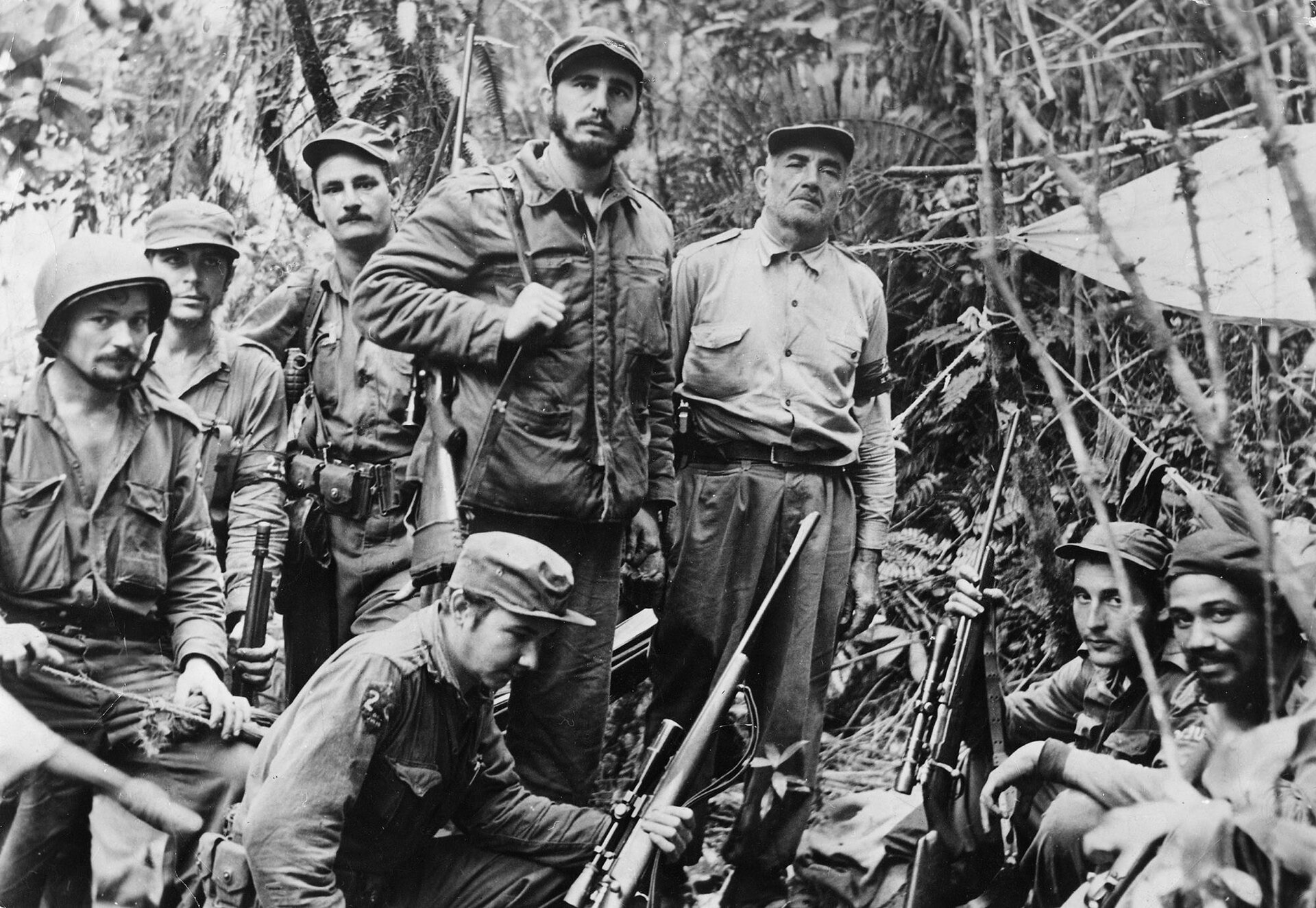
On New Year’s Day 1959, Fulgencio Batista, the dictator who had ruled Cuba for most of the previous twenty-five years, fled the country in the early hours of the morning, boarding a plane for the Dominican Republic as his regime collapsed around him. The news reached the guerrilla column led by Ernesto Guevara, which had spent the previous weeks fighting its way toward Havana, and the fighters who heard it greeted it with disbelief and then elation.
-

On the evening of 8 May 1956, the Royal Court Theatre in Sloane Square, London, staged the premiere of a new play by a twenty-six-year-old actor and writer from Fulham named John Osborne. The audience that night included a mixture of established theatre critics and younger spectators who had been drawn in by word of mouth and a sense — difficult to define precisely but real — that something was about to happen.
-

On the morning of 13 December 1937, Japanese troops entered the Chinese city of Nanjing. The city had been the capital of the Nationalist government, which had fled westward ten days earlier, leaving behind a population of perhaps half a million civilians and a garrison of soldiers who had largely melted away into the city’s streets, stripped of their uniforms.
-

The demographic transformation that made Black music audible to a mass American audience began in the decade before World War I and accelerated dramatically during and after it. The Great Migration — the movement of Black Southerners out of the Jim Crow South toward the industrial cities of the North — reshaped the human geography of the United States and carried with it the musical cultures of the Mississippi Delta, the Georgia sea islands, the Texas plains, and the New Orleans streets.
-
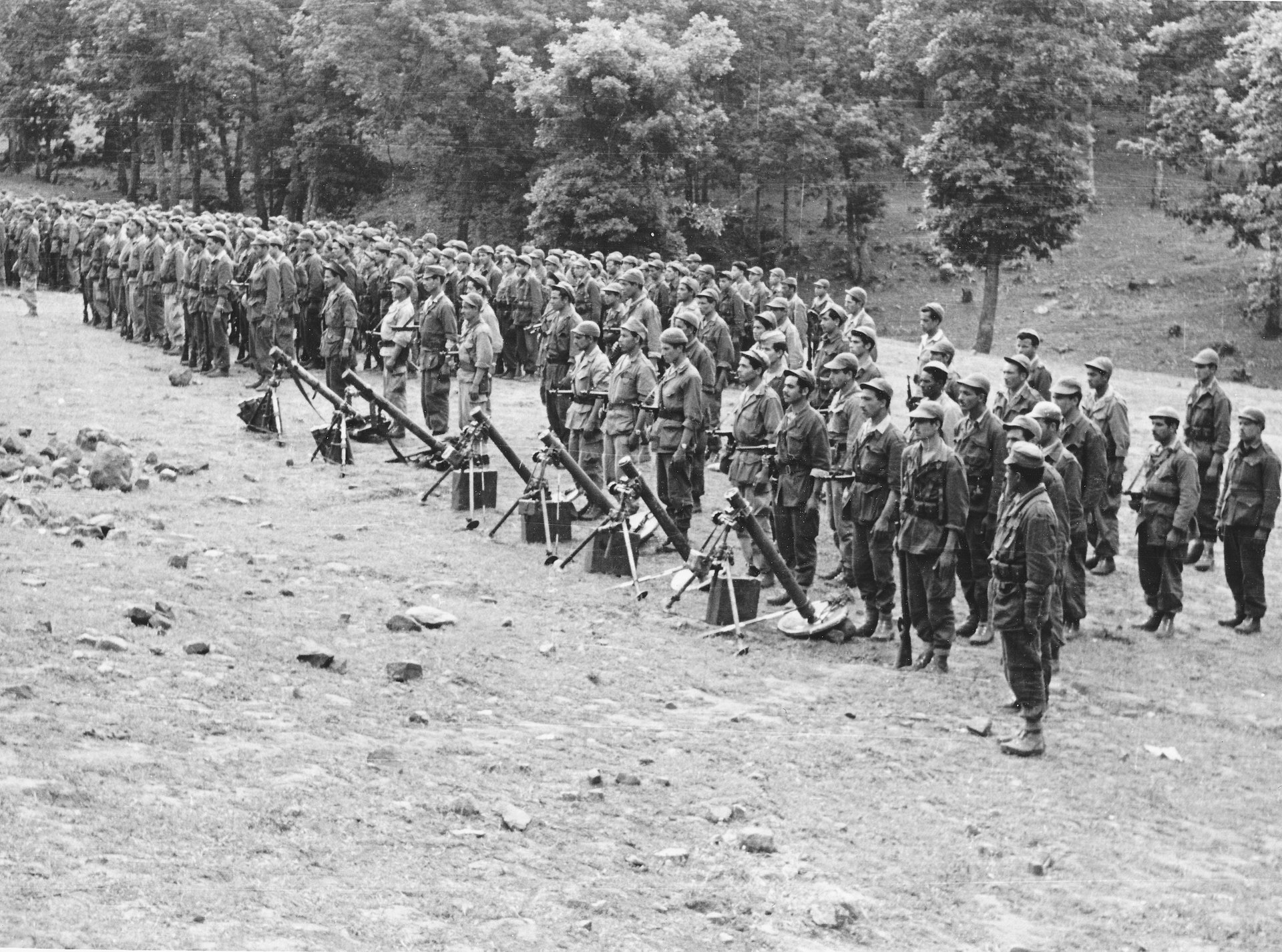
On 1 November 1954, a series of coordinated attacks across Algeria announced the birth of a new organisation and the start of a conflict that would, over the next seven and a half years, kill somewhere between three hundred thousand and a million people — the uncertainty in that figure is itself historically significant — and fundamentally transform both Algeria and France.
-
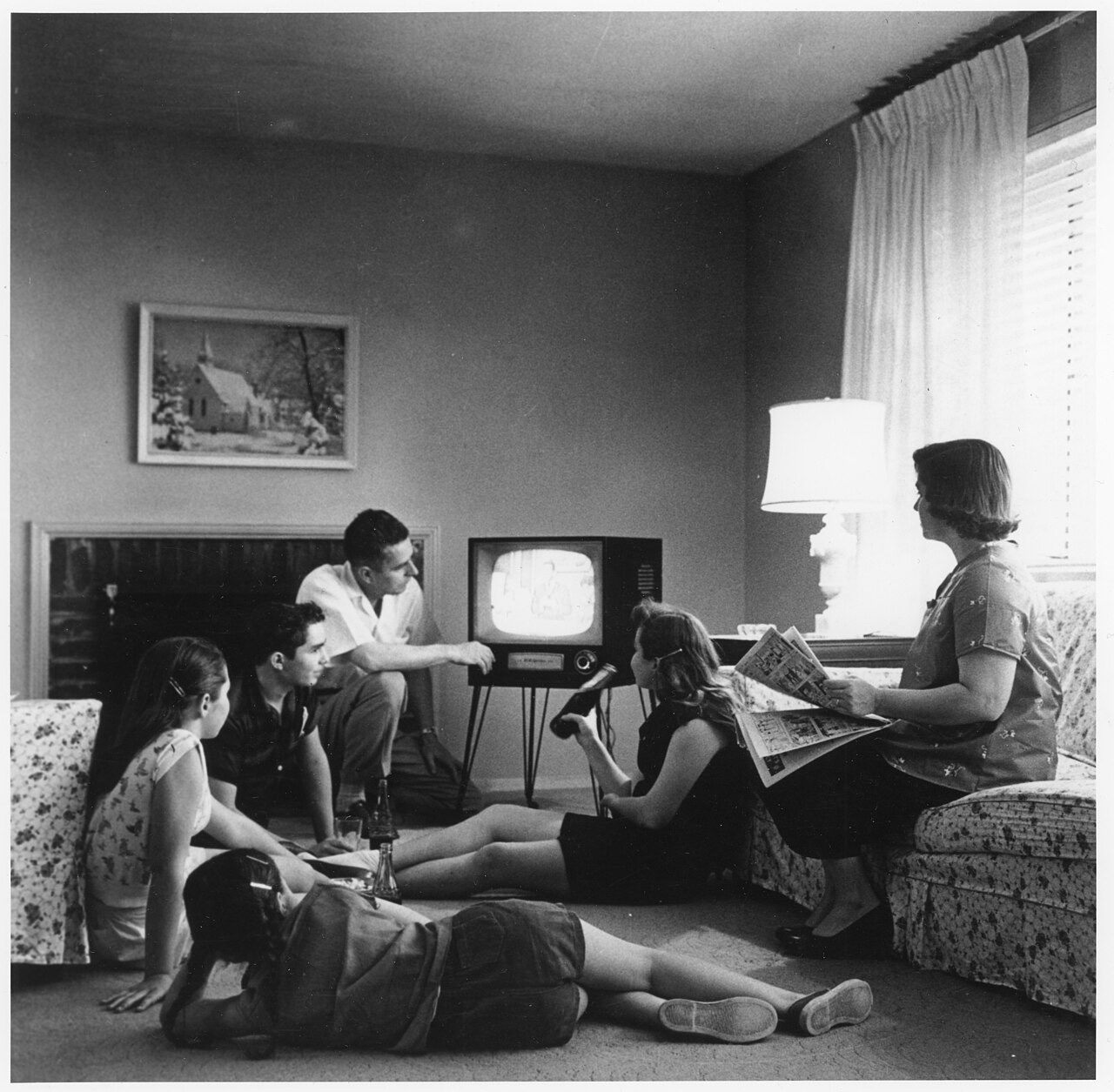
In the spring of 1939, the Radio Corporation of America unveiled a remarkable device at the New York World’s Fair. David Sarnoff, RCA’s imperious president, declared television the newest wonder of a wonder-making age. Families queued to peer into a cathode-ray screen where blurry figures moved against grey backgrounds, and the moment was recorded for posterity as the birth of an industry.
-

The Europe that emerged from the Second World War in 1945 was a continent of ruins — physical, moral, and institutional. How artists and filmmakers responded to that destruction, what they chose to show and what they could not bring themselves to face, tells us as much about the possibilities and limits of cultural reconstruction as any political history of the period.