-

In 1962, Rachel Carson published a book about pesticides. It was written in a style more usually associated with poetry than with science, and it argued that the application of synthetic chemicals to the natural world was producing consequences that no one had planned and that no one had yet begun to measure. The book did not save the environment. But it created the political and cultural conditions in which saving the environment became thinkable.
-
The conflict between Israelis and Palestinians is sometimes described as ancient, and it is not. It is a modern conflict, born of the specific conditions of the late nineteenth century — the rise of nationalism, the decline of empire, the crisis of European Jewry — and of the specific decisions taken by specific people in the first half of the twentieth century. Understanding it requires going back to those origins, without assuming that the outcome was in any way inevitable.
-
The internet was built by the American military to survive a nuclear war. It became the infrastructure of global commerce, the primary means by which most of the world’s population communicates, and the most powerful surveillance apparatus in human history. None of these outcomes were planned. All of them followed, with a logic that seems almost inevitable in retrospect, from decisions made without any clear sense of what they would produce.
-
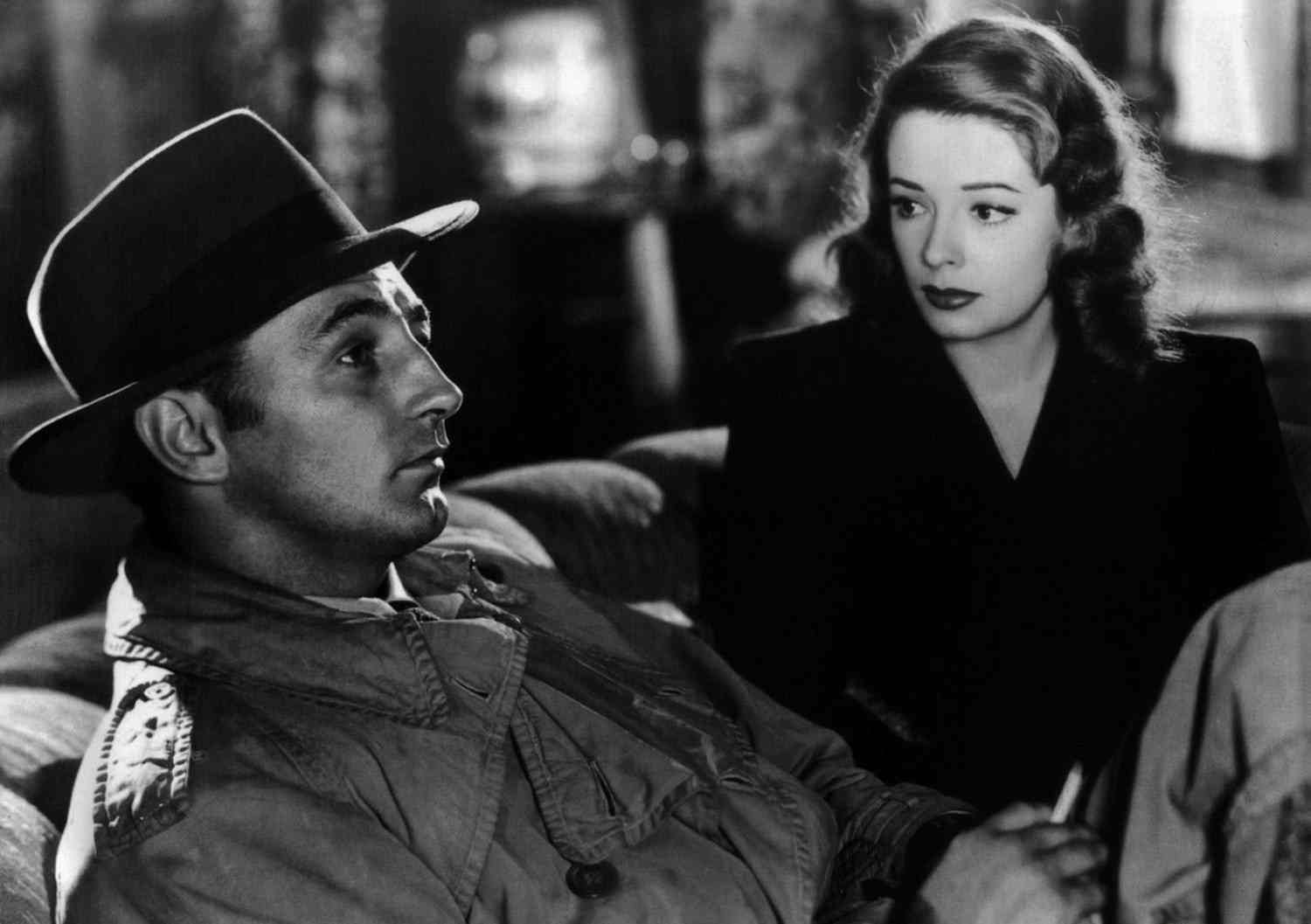
Cinema was the twentieth century’s own art form — the only major artistic medium to be invented after industrialisation and before the digital age. No other form matched its combination of mass reach, emotional immediacy, and technical complexity, and no other was so thoroughly shaped by the specific conditions of the century that produced it.
-
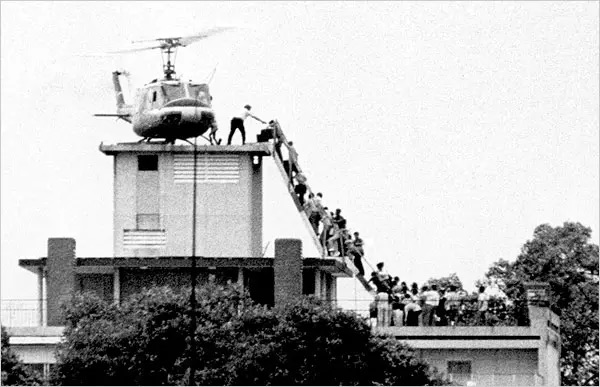
The United States spent more than a decade in Vietnam, dropped more bombs on it than were dropped by all sides in the Second World War, and lost. The defeat was not primarily military. It was political, strategic, and ultimately moral: a failure to understand what the war was, who it was against, and what winning would have required.
-
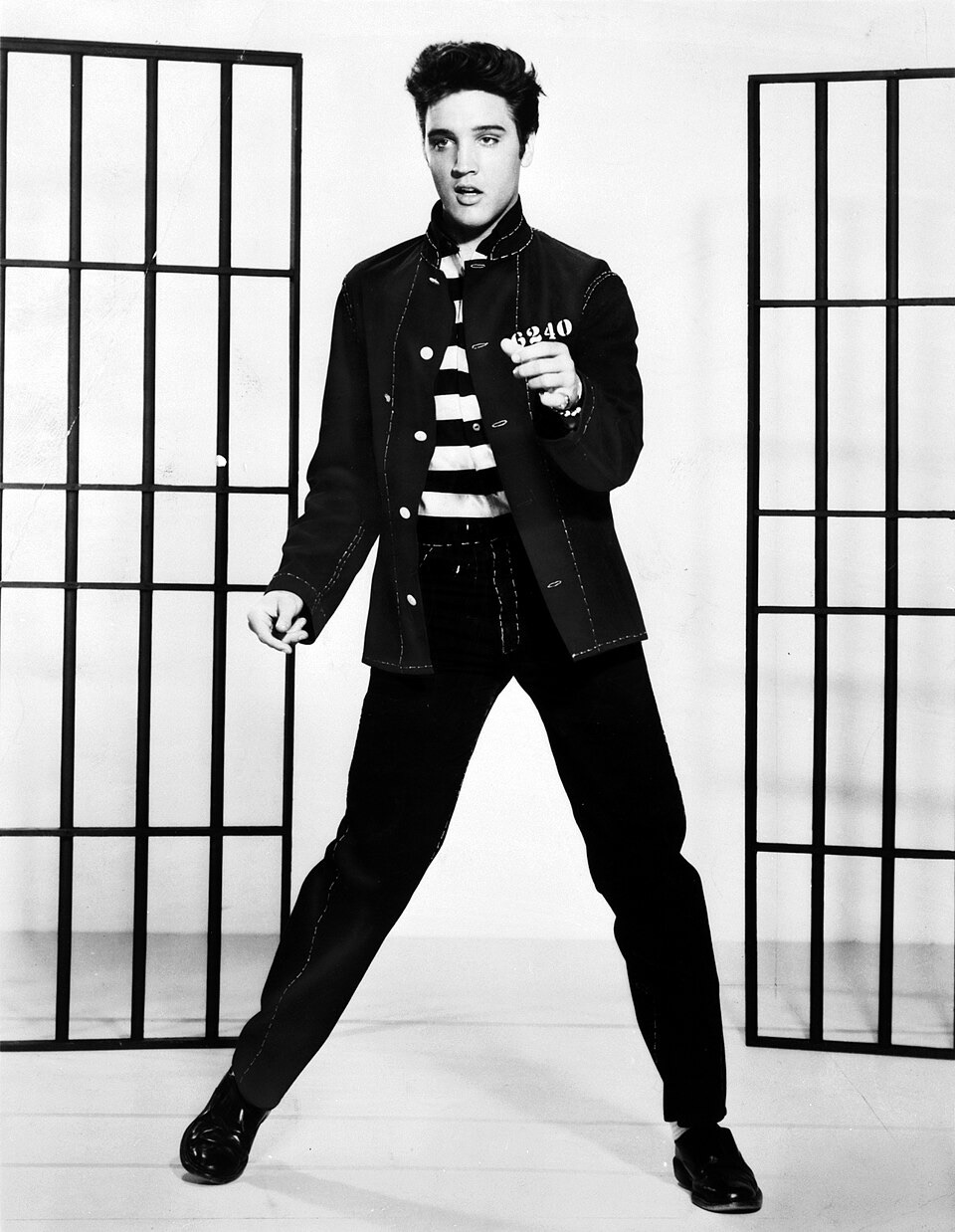
Rock and roll did not begin on the day Elvis Presley walked into Sun Studio in Memphis. It had been building for decades in the Black churches and juke joints of the American South. What changed in 1955 was not the music but the audience — and, behind the audience, the industry that decided white teenagers were ready to buy it.
-

Writing a book like God Forgives, Brothers Don’t during the long twilight of the Iraq and Afghanistan wars, journalist Jasper Craven discovered that the pipeline feeding young men into America’s fighting forces wasn’t just a response to war—it was a carefully engineered system. What he found was a sprawling network of military schools, ROTC programs, and a cultural pedagogy that had spent centuries convincing American boys that the path to manhood ran straight through the barracks. The result is a searing investigation into how the US military has become the nation’s primary engine of masculinity, and how that engine is…
-
In 1991, George H.W. Bush promised a “new world order” — a world in which law and cooperation would replace force and rivalry. Within three years, 800,000 people had been murdered in Rwanda in a hundred days while the international community watched. The 1990s were not a liberal peace. They were a laboratory for the failures that would define the century to come.
-

When Betty Friedan named “the problem that has no name” in 1963, she gave language to a dissatisfaction that millions of women had been living without the words to describe. What followed — the women’s liberation movement of the 1960s and 1970s — was the most far-reaching cultural revolution of the postwar era. It was also an unfinished one.
-

The fall of the Berlin Wall on 9 November 1989 was, in a sense, a bureaucratic accident. But the accident was only possible because the system behind the wall had already ceased to function. This is the story of how the Cold War ended — and why the world it made was so different from what anyone expected.