-
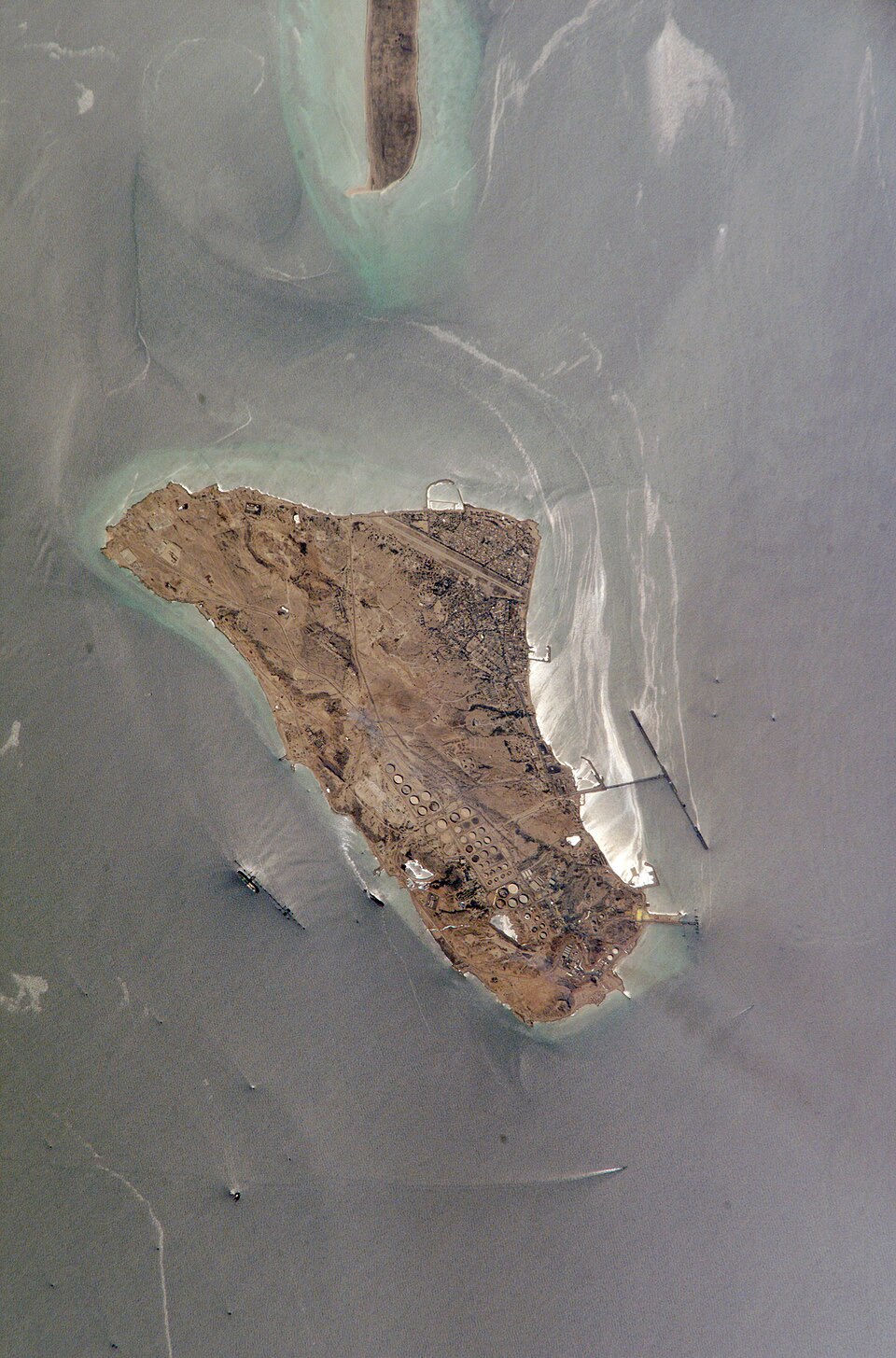
Kharg Island, a strategic coral outcrop off Iran’s western coast, plays a pivotal role in Iran’s oil exports, handling 90% of crude oil exports. Seizing it could economically cripple Iran without American troops needing to land. However, history warns against such bold moves—Gallipoli and Dien Bien Phu show the perils of holding fortified positions against asymmetric warfare.
-

The Question of Naming History has a way of naming things only after they have concluded. We look back at 1914 and 1939 as definitive starting points, but as we discuss in the latest Explaining History podcast, those living through the current conflagrations in Ukraine, Gaza, Iran, and Venezuela are left wondering: are we already in the midst of a global conflict? And if so, at what point do we give it a name? The historian Richard Overy, in his seminal work Blood and Ruins, suggests that the two World Wars might be viewed as a single, continuous struggle of…
-

Jürgen Habermas, a towering figure in 20th-century philosophy, explored democracy’s essence, emphasizing reasoned discourse over coercion. Born in Düsseldorf, his life’s challenges shaped his views on communication and societal governance.
-
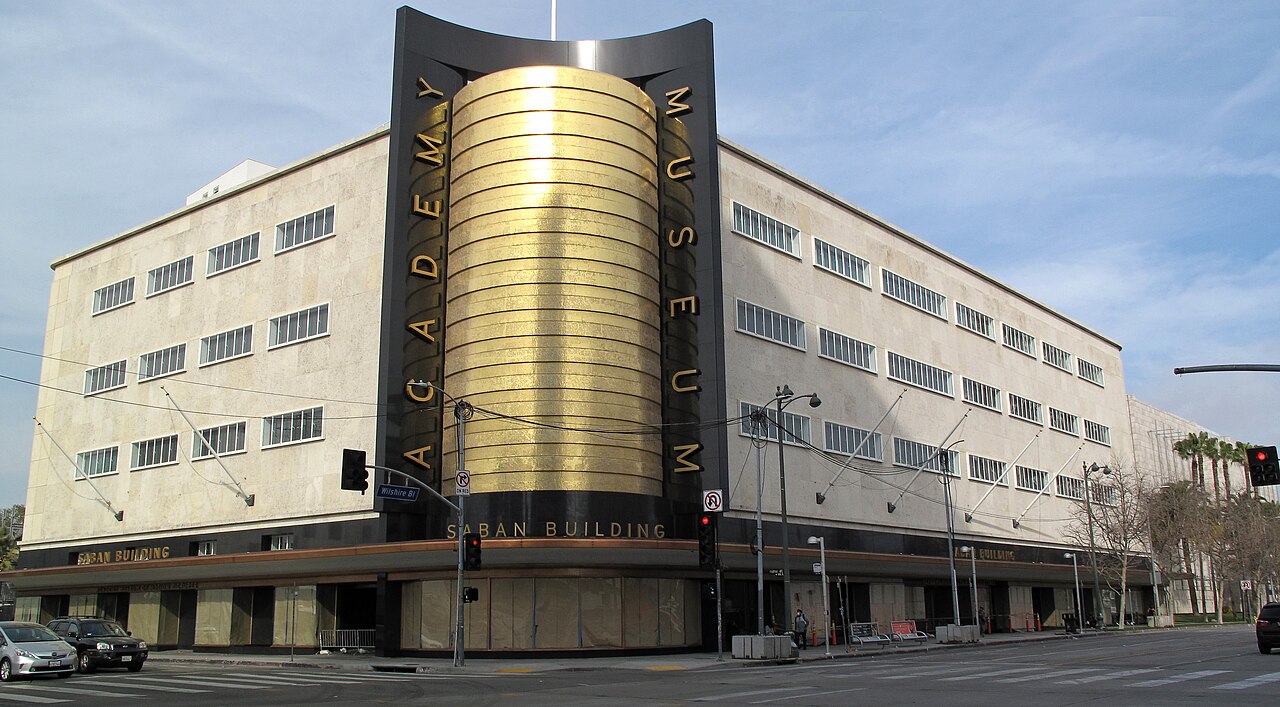
Monica Sandler, a film historian at Ball State University, is completing her book, *The Oscar Industry*, focusing on the Oscars’ cultural significance. She discusses how the awards highlight artistic value within American culture, their historical ties to race and industry politics, and the impact of movements like #OscarsSoWhite and #MeToo.
-

The Great Depression, far from being an American crisis, was a global catastrophe that affected every continent and economy between 1929 and 1932. As world trade plummeted by 66% and industrial production collapsed worldwide, unemployment soared catastrophically from Germany to Japan. This interconnected economic collapse was exacerbated by protectionist policies and competitive devaluations, reflecting the fragile international monetary system built on gold.
-
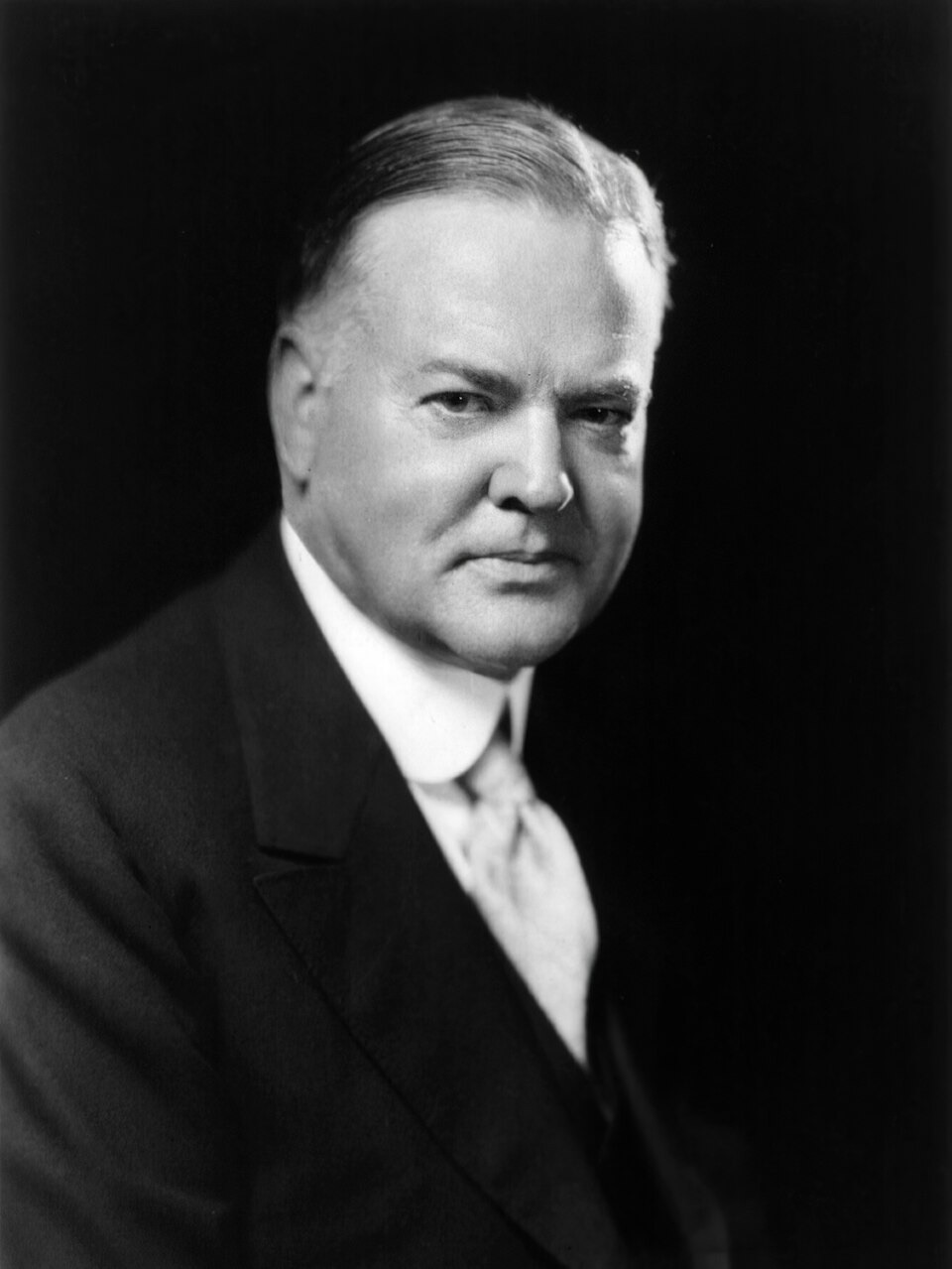
Herbert Hoover’s ascent to the presidency in 1929 was marked by his self-made status and endorsement as a man of energy and executive ability. However, his presidency faced a dramatic shift as the Great Depression unfolded, highlighting the limitations of his associationalist philosophy.
-
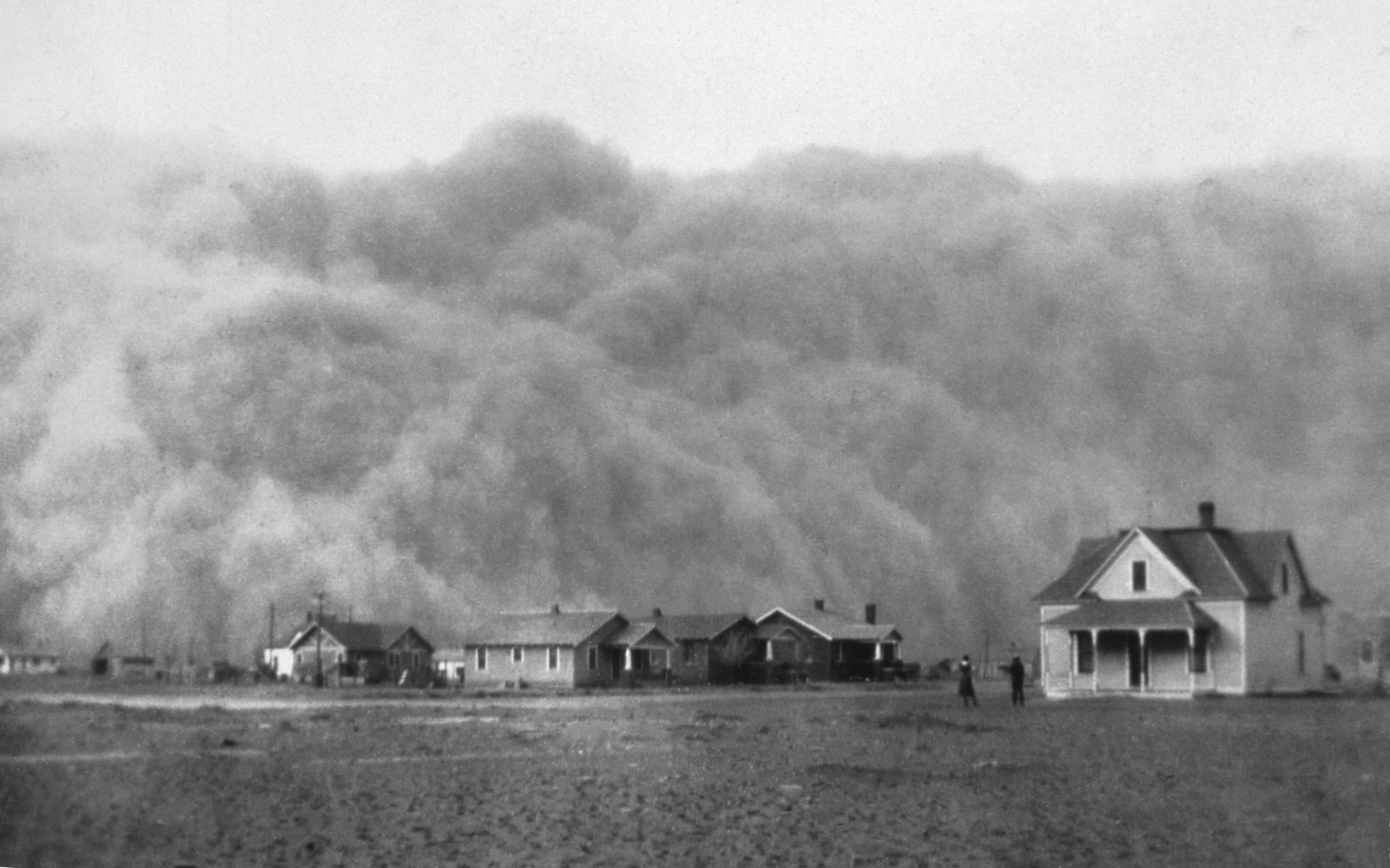
In the 1930s, Americans faced the Dust Bowl, a disaster wrought by capitalist agricultural expansion and federal land policies. This environmental catastrophe revealed profound social and economic vulnerabilities, deeply entwined with the Great Depression. Seen through the lens of radical political economics, the Dust Bowl highlighted capitalism’s systemic disruption of natural cycles, a manifestation of its inherent metabolic rift.
-
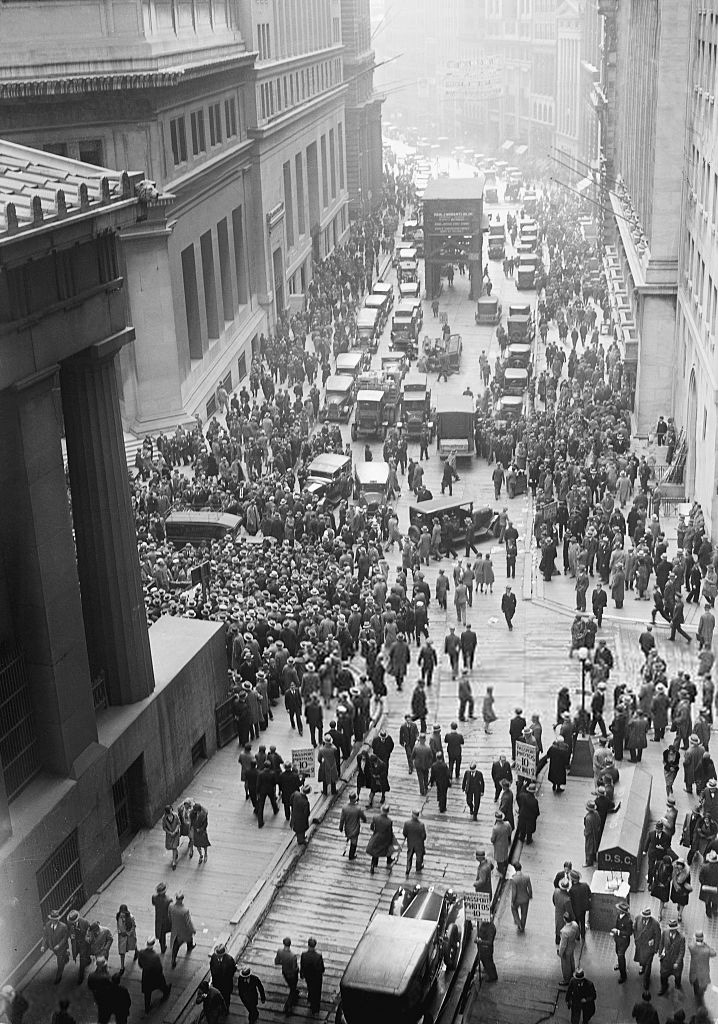
In 1929, the stock market crash marked a turning point in American history, unfolding as a dramatic five-day saga of panic and economic restructuring. Beyond its single-event narrative, this period reveals the deep-rooted vulnerabilities of 1920s capitalism.
-
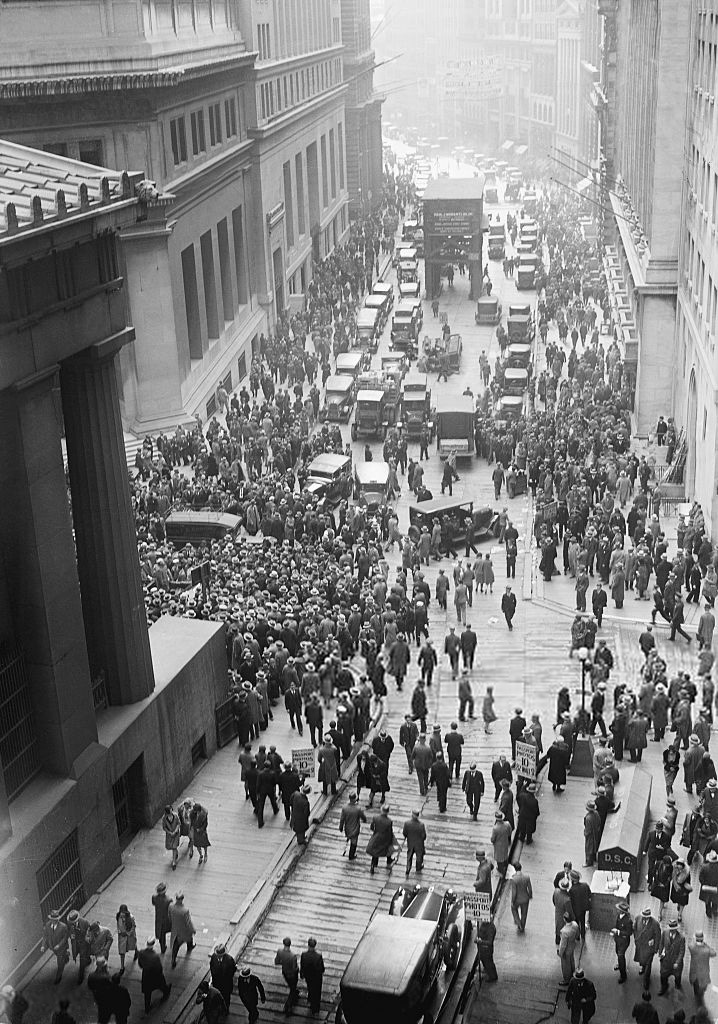
Beyond its dramatic events, the Great Depression exposed capitalism’s inherent instability, with interconnected factors like banking panics and international crises transforming domestic issues into a worldwide catastrophe.
-
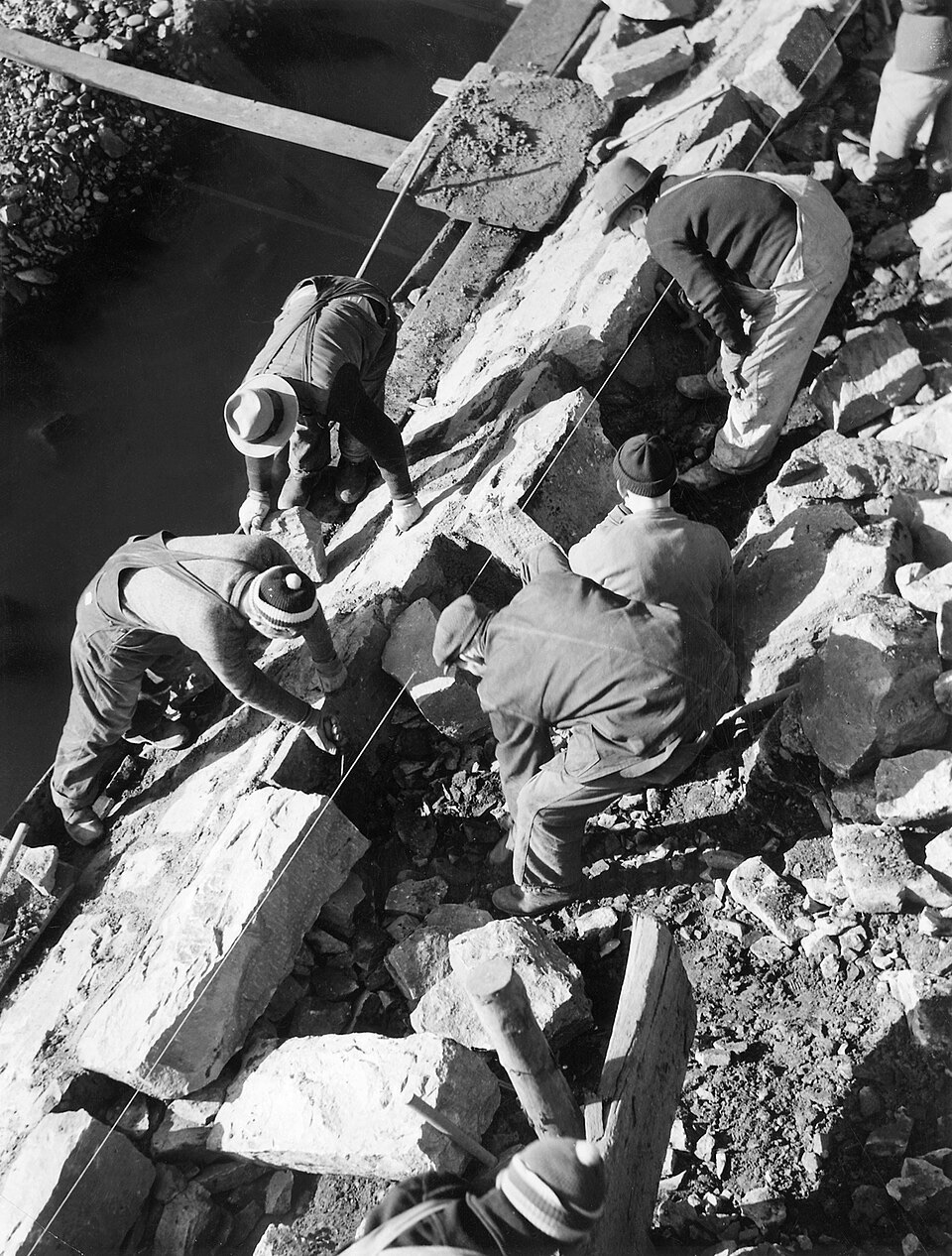
During the Great Depression, the American West faced severe economic hardship, with the Dust Bowl and plummeting commodity prices leaving farms and ranches struggling. The New Deal, spearheaded by FDR, implemented programs like the CCC, WPA, and PWA to create jobs and restore economic stability.