-

NATO’s foundational agreement is collapsing due to Trump’s actions, including threats to withdraw, humiliation of allies, and challenges to its mutual defense principles. Legal barriers exist to withdrawal, but trust in the U.S. security guarantee has eroded. If the U.S. falters, Europe would need heightened defense measures while Russia could be emboldened.
-
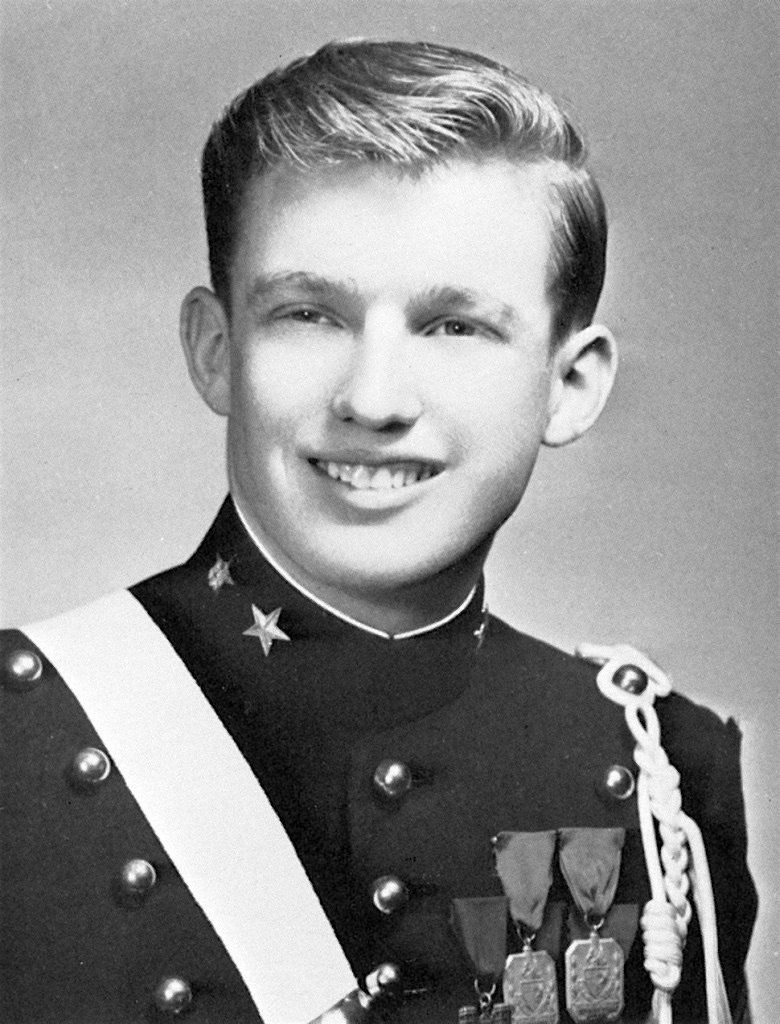
Donald Trump’s presidency became the instrument of the Protestant establishment’s final destruction, contrasting with Roosevelt’s class-defining portrait. Trump, unlike Roosevelt, was the son of a Queens developer, signaling a new era of arrival.
-
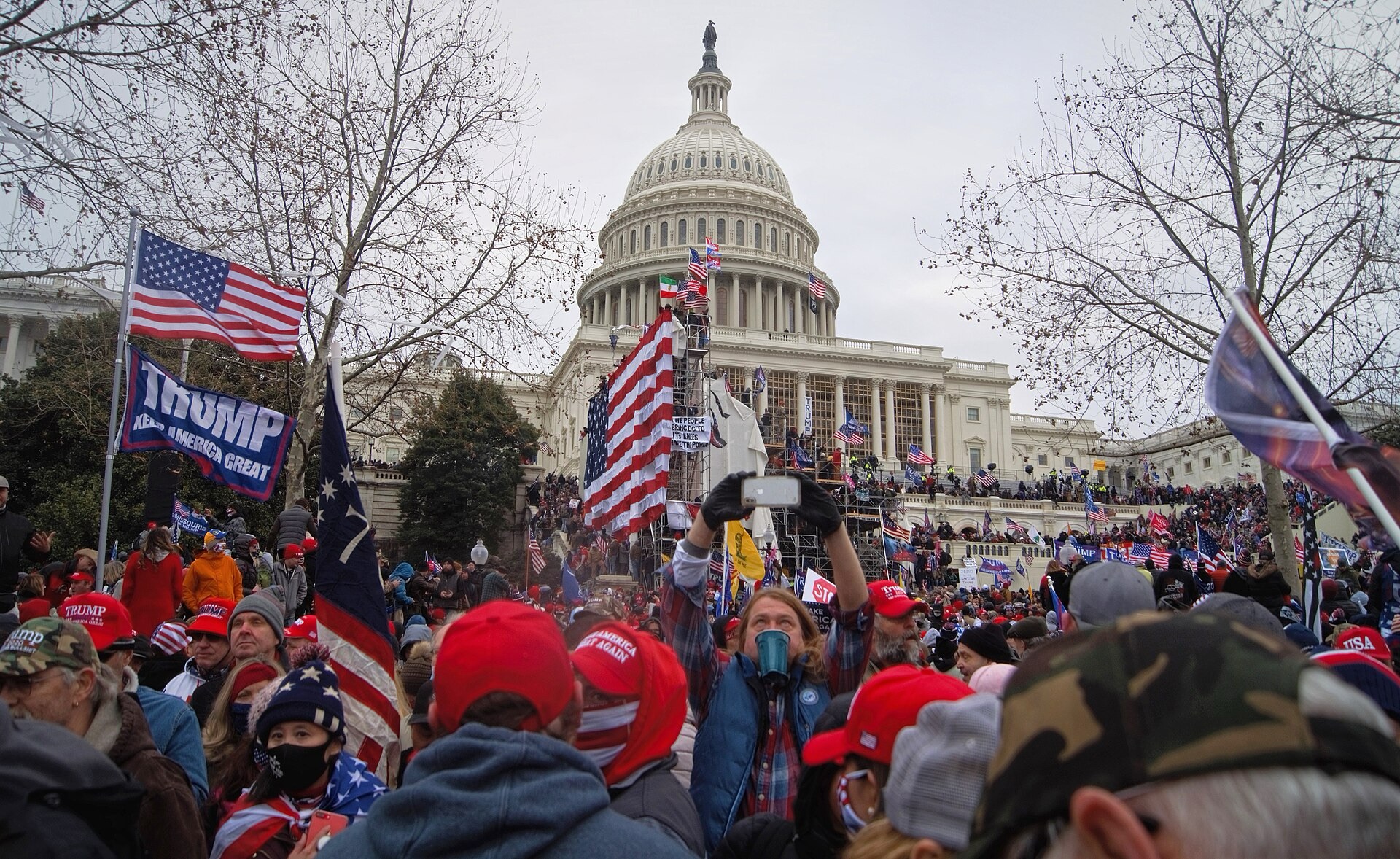
President Trump’s impeachment in 2019 revealed a pattern of disregarding constitutional norms. The charges of abuse of power and obstruction were rooted in his efforts to leverage military aid against foreign leaders. Trump’s dismissal of the proceedings as a ‘witch hunt’ and his subsequent Senate acquittal underscored his prioritization of personal narrative over institutional duty.
-

The COVID-19 pandemic briefing on April 13, 2020, became a defining moment in presidential communication history. As hospitals in New York faced dire shortages of ventilators and the death toll surpassed 20,000 Americans, President Donald Trump opted for a video montage over delivering essential information. This self-directed production showcased his daily efforts against the pandemic, but critics saw it as a display of self-importance.
-

Trump’s early business education taught him one thing – the little people pay their debts back. Trump’s bankruptcies have been a part of a strategy of wealth extraction and this mindset now controls America.
-

The mountains of Afghanistan held a prophecy that would shape global conflicts. In 1997, Osama bin Laden envisioned a United States weakened by its own response, a strategy that would echo in the wake of 9/11. As history unfolded, bin Laden’s insights into the cost of perpetual war proved prescient.
-
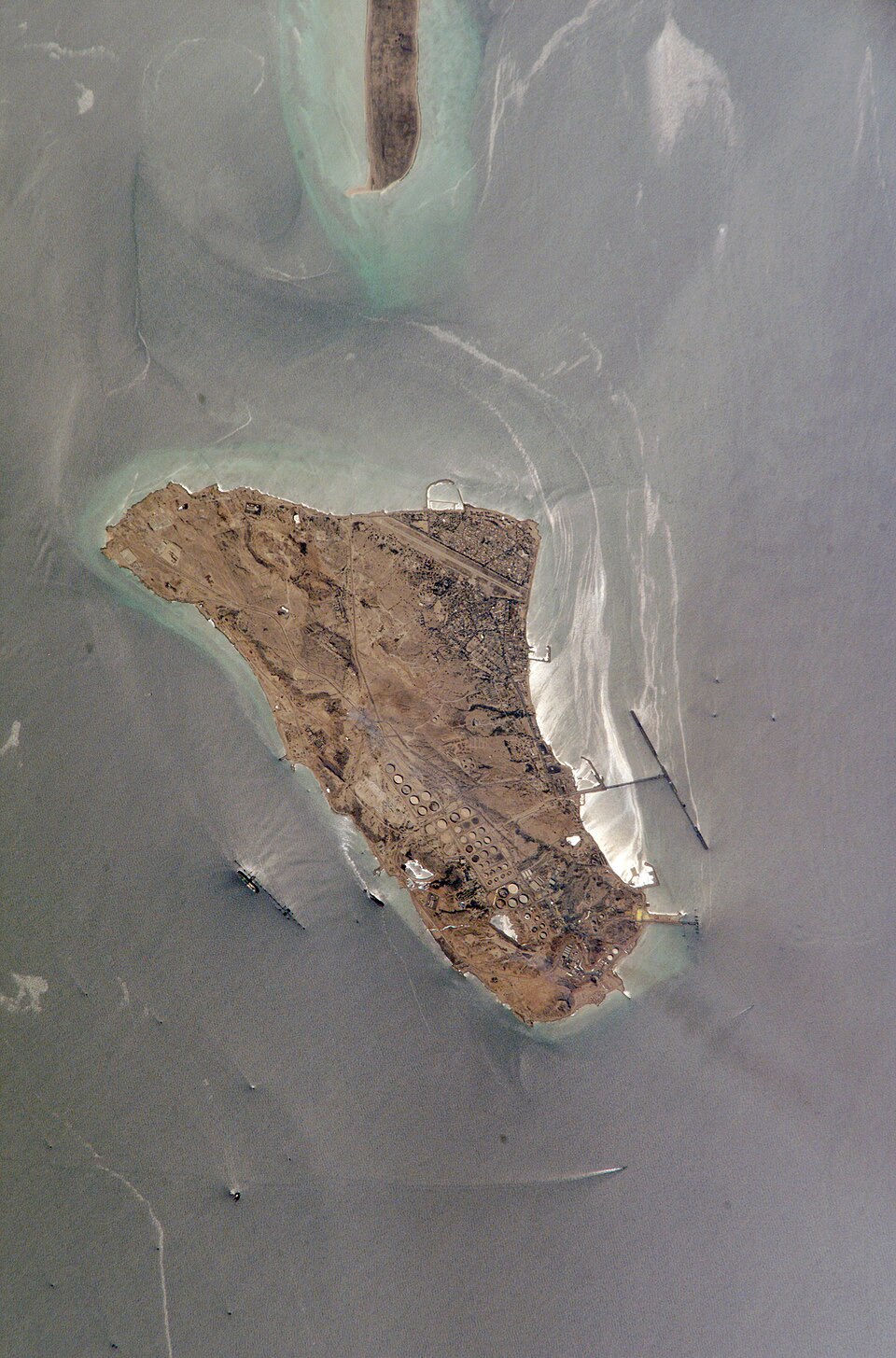
Kharg Island, a strategic coral outcrop off Iran’s western coast, plays a pivotal role in Iran’s oil exports, handling 90% of crude oil exports. Seizing it could economically cripple Iran without American troops needing to land. However, history warns against such bold moves—Gallipoli and Dien Bien Phu show the perils of holding fortified positions against asymmetric warfare.
-

Twenty-four hours have passed since Apache gunships appeared over Caracas. The initial shock of the abduction of Nicolás Maduro is giving way to a more practical question: What now? Donald Trump has declared that the US is going to “run Venezuela” and revitalize its oil industry. It is the kind of bombastic statement that his supporters cheer and the media amplifies without scrutiny. But history suggests that this promise is not just optimistic; it is a fantasy.
-

The news from Caracas is still sketchy, but the picture emerging is one of unprecedented escalation. Apache gunships over the capital, explosions in the streets, and reports that President Nicolás Maduro has been abducted by US forces.
-
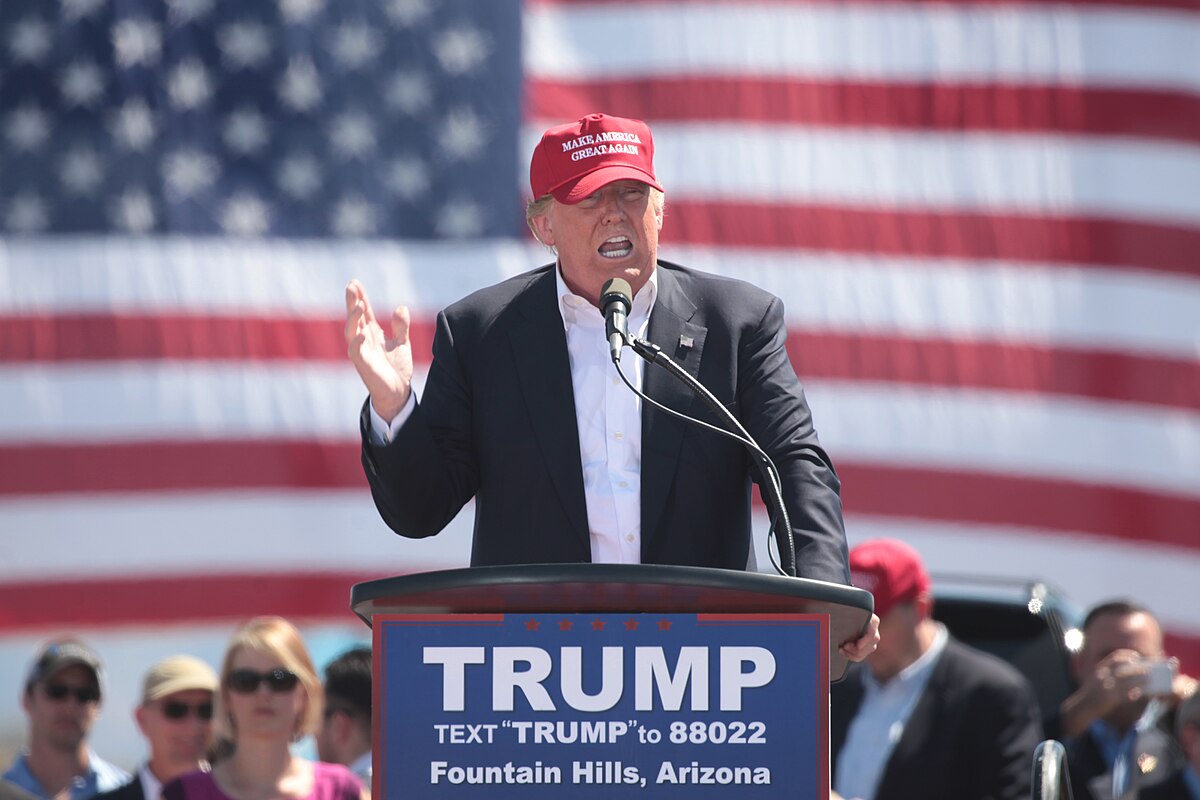
In this week’s podcast, I attempted to synthesize the current moment, drawing on the analysis of commentators like Robert Reich and looking at the deeper structural forces at play. We are witnessing a low-level civil war across the West, but it isn’t the traditional battle between socialism and capitalism. Instead, it is a conflict between two factions of capital itself.