-

Introduction The imagery of the Iranian Revolution is indelibly marked by the figure of the veiled woman. Photographs from 1978-79 show countless women, clad in chadors, marching in the streets, confronting soldiers, and shouting slogans against the Shah. To a Western audience, this iconography presented a profound paradox: why would women actively participate in a movement that would ultimately seek to restrict their rights and mandate their veiling? This question has fueled a contentious and evolving scholarship that seeks to move beyond orientalist tropes and simplistic explanations to understand the multifaceted agency of women in one of the twentieth century’s…
-
Introduction The overthrow of Mohammad Reza Shah Pahlavi in 1979 presented a paradox: a revolution fought with modern tools of communication and mass mobilization was ultimately won in the name of a return to traditional values. While a broad coalition of forces—including nationalists, Marxists, and students—participated in the uprising, its core organizational and ideological strength derived from a centuries-old alliance between two seemingly archaic institutions: the urban bazaar and the Shi’a clerical establishment. This partnership has often been noted in revolutionary histories, but its depth, historical genesis, and operational mechanics require deeper scholarly excavation. This article contends that the bazaar-clergy…
-
Introduction The study of modern authoritarian regimes invariably necessitates an examination of their internal security apparatuses. In the case of Iran under Mohammad Reza Shah Pahlavi (1941-1979), the Organization of National Intelligence and Security (SAVAK) served as the linchpin of the state’s coercive architecture. Historiography of the late Pahlavi period often treats SAVAK as a synonym for brutality, a narrative cemented by revolutionary discourse and victim testimonies. While accurate in describing its methods, this characterization can obscure a fuller academic understanding of SAVAK as a complex institution born from specific Cold War exigencies and a particular logic of governance. This…
-
Introduction The 1979 Iranian Revolution stands as one of the most pivotal and unexpected events of the late twentieth century, toppling a powerful, modernizing monarchy and establishing the world’s first modern theocratic state. At its centre was a figure of profound paradox: Ayatollah Ruhollah Khomeini. An elderly cleric schooled in traditional Islamic philosophy, he masterfully leveraged modern media and populist politics. A man of exile who spent over a decade abroad, he became the ultimate symbol of national sovereignty. This essay moves beyond hagiography to critically analyze Khomeini’s trajectory from obscure theologian to Supreme Leader, examining the construction of his…
-
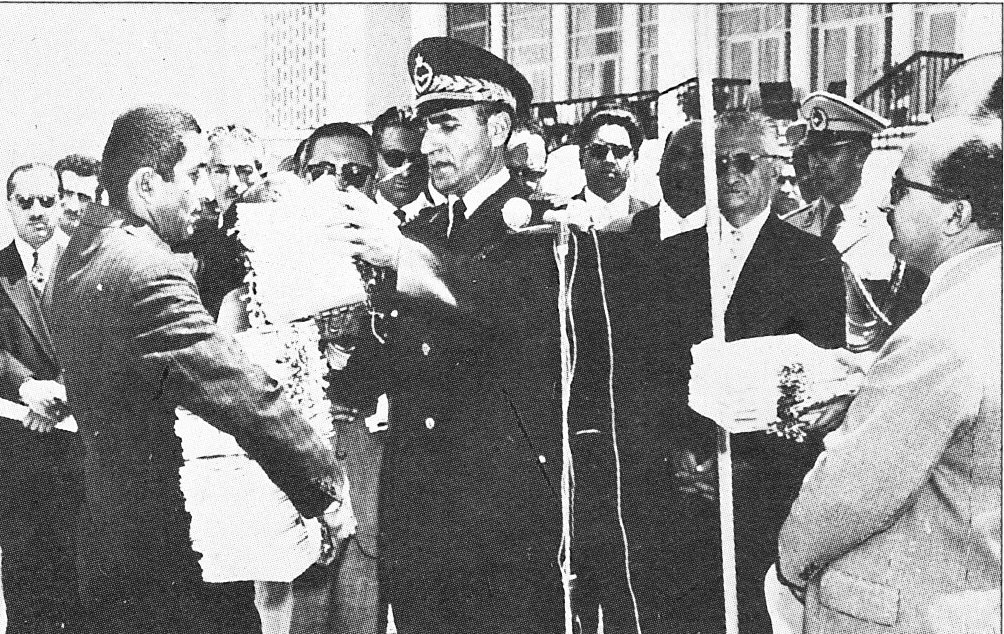
The 1960s and 1970s marked a pivotal era in Iran, dominated by an ambitious and far-reaching reform program initiated by Mohammad Reza Shah Pahlavi, known as the White Revolution. This comprehensive series of reforms, launched in 1963, aimed to rapidly modernize Iran, transform its socio-economic landscape, and consolidate the Shah’s power, ultimately envisioning Iran as a developed, Western-aligned nation. However, beneath the veneer of progress, these reforms generated significant social dislocation, economic grievances, and fierce political and religious resistance, inadvertently laying much of the groundwork for the Islamic Revolution of 1979. The Pillars of Modernization: Land Reform, Education, and Women’s…
-
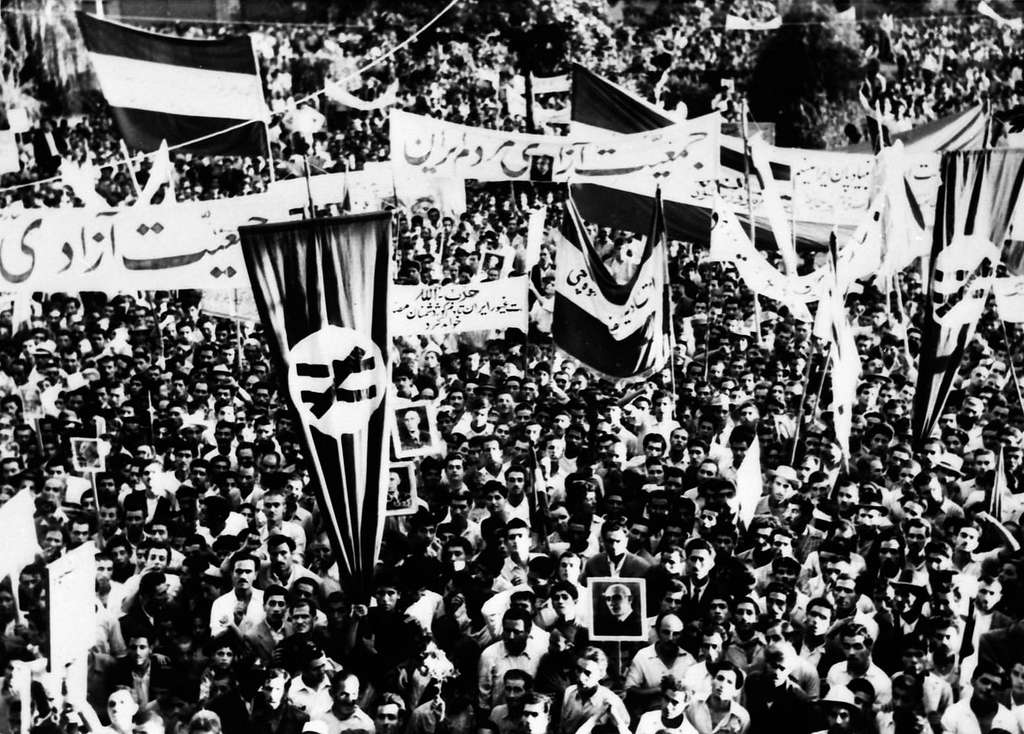
In one decisive episode, a democratically elected leader was removed in a covert Anglo-American operation, foreign powers reasserted control over Iranian oil, and the Shah’s autocracy was restored.
-
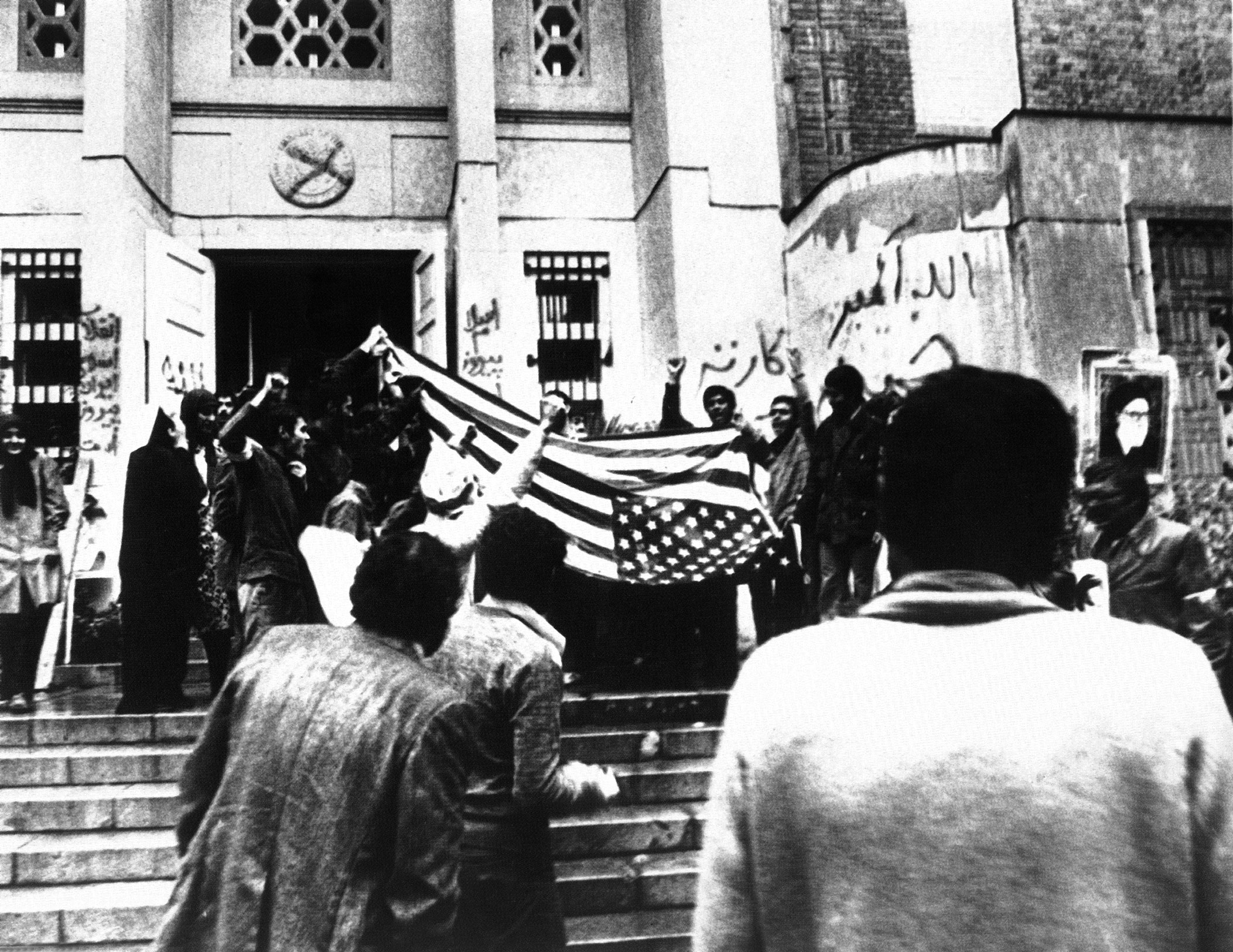
The 1979 Iranian Revolution was a watershed moment in the history of the 20th Century. In a matter of months it overthrew the Western-backed Pahlavi monarchy and installed a theocratic state. Its impact was felt far beyond Iran’s borders. It altered Cold War alignments (ending Iran’s role as a U.S. ally in the Gulf) and touched off a new oil crisis, amplifying fears of energy shortage worldwide . It gave a potent new voice to political Islam. As scholar Mehrzad notes, the revolution lent “an Islamic flavor to the anti-imperialist, anti-American sentiment” in the Middle East . In effect, it…
-
Introduction Between 1910 and 1920, Mexico was convulsed by revolution—a tumultuous struggle that profoundly altered its government and society. The United States, as Mexico’s northern neighbor and major investor, found it difficult to remain a bystander. U.S. involvement in the Mexican Revolution was complex and often contradictory: Washington variously supported and opposed different revolutionary factions, intervened militarily on Mexican soil, and wrestled with balancing principles against economic and strategic interests . American actions—from diplomatic maneuvers and arms embargoes to full-scale military incursions—had significant short-term effects on the revolution’s course and left long-term scars on U.S.-Mexico relations. This article examines U.S.…
-

A Quick SummaryWomen were far more than just camp followers in the Mexican Revolution (1910-1920). They were active participants in every facet of the conflict, serving as soldiers, spies, nurses, political organizers, and journalists. These women, often called soldaderas or Adelitas, challenged traditional gender roles and made immense contributions to the revolutionary cause, though their stories were often overlooked in official histories. From commanding troops on the battlefield to organizing feminist congresses, women were a vital force that shaped the course and outcome of the revolution, and their involvement had a lasting impact on the struggle for women’s rights in…
-
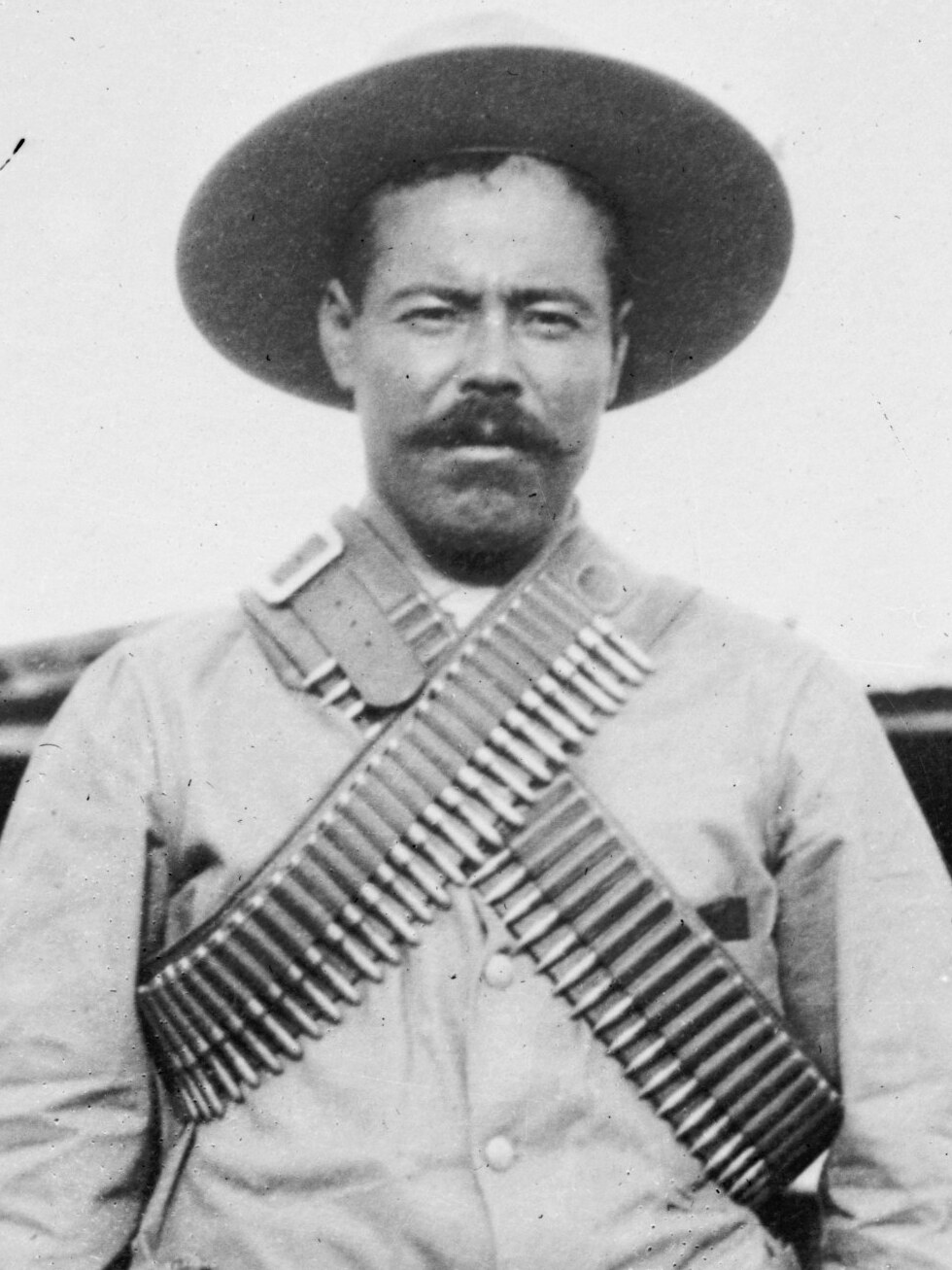
Early Life – Banditry and the Road to Revolution José Doroteo Arango Arámbula, later known as Francisco “Pancho” Villa, was born in 1878 to a poor family in Durango, Mexico . Orphaned young, he struggled to support his mother and siblings as a sharecropper and various odd jobs . In his teens, Villa’s life took a fateful turn: after an hacienda owner allegedly assaulted his sister, young Doroteo shot the man and fled to the mountains to escape retribution . Hiding in the rugged Sierra Madre, he assumed the alias Francisco Villa (borrowed from a famed bandit or perhaps a…