-

Within the international history of the Spanish Civil War, the interventions of Nazi Germany, Fascist Italy, and the Soviet Union dominate the analytical landscape, their actions fitting neatly into paradigms of ideological proxy conflict and great power maneuvering. The role of Mexico, however, presents a critical and clarifying anomaly. Unlike the major powers, the government of Lázaro Cárdenas (1934-1940) extended to the Spanish Republic not merely aid, but unqualified diplomatic recognition, material support, and ultimately, sanctuary.
-

The story of Valentina Ramírez Avitia (1893-1979) has been told and retold in ways that reveal more about contemporary desires for revolutionary heroines than about the actual experiences of women who fought in the Mexican Revolution. Known as “La Valentina” and more recently as “the Mexican Mulan,” Ramírez has been commemorated in corridos, films, and even a popular hot sauce brand. Yet the romanticized narratives that celebrate her brief military service obscure a far more troubling story: that of a woman who served her country for five months, was summarily dismissed when her gender was discovered, and spent the remaining…
-
In the diverse coalition of forces that constituted the Mexican Revolution, the Zapatista movement, rooted in the agrarian communities of Morelos, is often perceived as a distinctly rural and peasant-led phenomenon. However, the intellectual and strategic direction of the Zapatistas was significantly shaped by urban intellectuals who were drawn to the cause. Among the most influential of these figures was Dolores Jiménez y Muro (1848-1925), a socialist-feminist, teacher, and poet who, at the age of 63, became a key strategist and military commander within the Liberation Army of the South. Her career demonstrates the crucial role of radical intellectuals in…
-
While the military conflicts of the Mexican Revolution (1910-1920) are well-documented, the concurrent intellectual and ideological battles, particularly those concerning the role of women in the new Mexican state, were equally transformative. Central to this ideological struggle was Hermila Galindo Acosta (1886-1954), a political strategist, writer, and radical feminist whose work fundamentally shaped the discourse on women’s rights. Through her influential journal, La Mujer Moderna, and her direct engagement with the Constitutionalist government, Galindo advanced a feminist agenda that was often decades ahead of its time, positioning her as a pivotal, if controversial, figure in the broader history of women…
-

Introduction: Beyond the Adelita Archetype In the popular imagination, the women of the Mexican Revolution are often relegated to the romanticized archetype of the Adelita—a loyal camp follower, a source of comfort and domesticity amidst the chaos of war. While the soldaderas who fulfilled these crucial support roles were undeniably vital to the revolutionary armies, this narrow depiction obscures the multifaceted and often martial contributions of women in the conflict. It is within this historiographical lacuna that the story of Petra Herrera emerges, a figure who defied the gendered expectations of her time to become a respected and formidable military leader. Herrera’s life,…
-
Introduction Between 1910 and 1920, Mexico was convulsed by revolution—a tumultuous struggle that profoundly altered its government and society. The United States, as Mexico’s northern neighbor and major investor, found it difficult to remain a bystander. U.S. involvement in the Mexican Revolution was complex and often contradictory: Washington variously supported and opposed different revolutionary factions, intervened militarily on Mexican soil, and wrestled with balancing principles against economic and strategic interests . American actions—from diplomatic maneuvers and arms embargoes to full-scale military incursions—had significant short-term effects on the revolution’s course and left long-term scars on U.S.-Mexico relations. This article examines U.S.…
-

A Quick SummaryWomen were far more than just camp followers in the Mexican Revolution (1910-1920). They were active participants in every facet of the conflict, serving as soldiers, spies, nurses, political organizers, and journalists. These women, often called soldaderas or Adelitas, challenged traditional gender roles and made immense contributions to the revolutionary cause, though their stories were often overlooked in official histories. From commanding troops on the battlefield to organizing feminist congresses, women were a vital force that shaped the course and outcome of the revolution, and their involvement had a lasting impact on the struggle for women’s rights in…
-
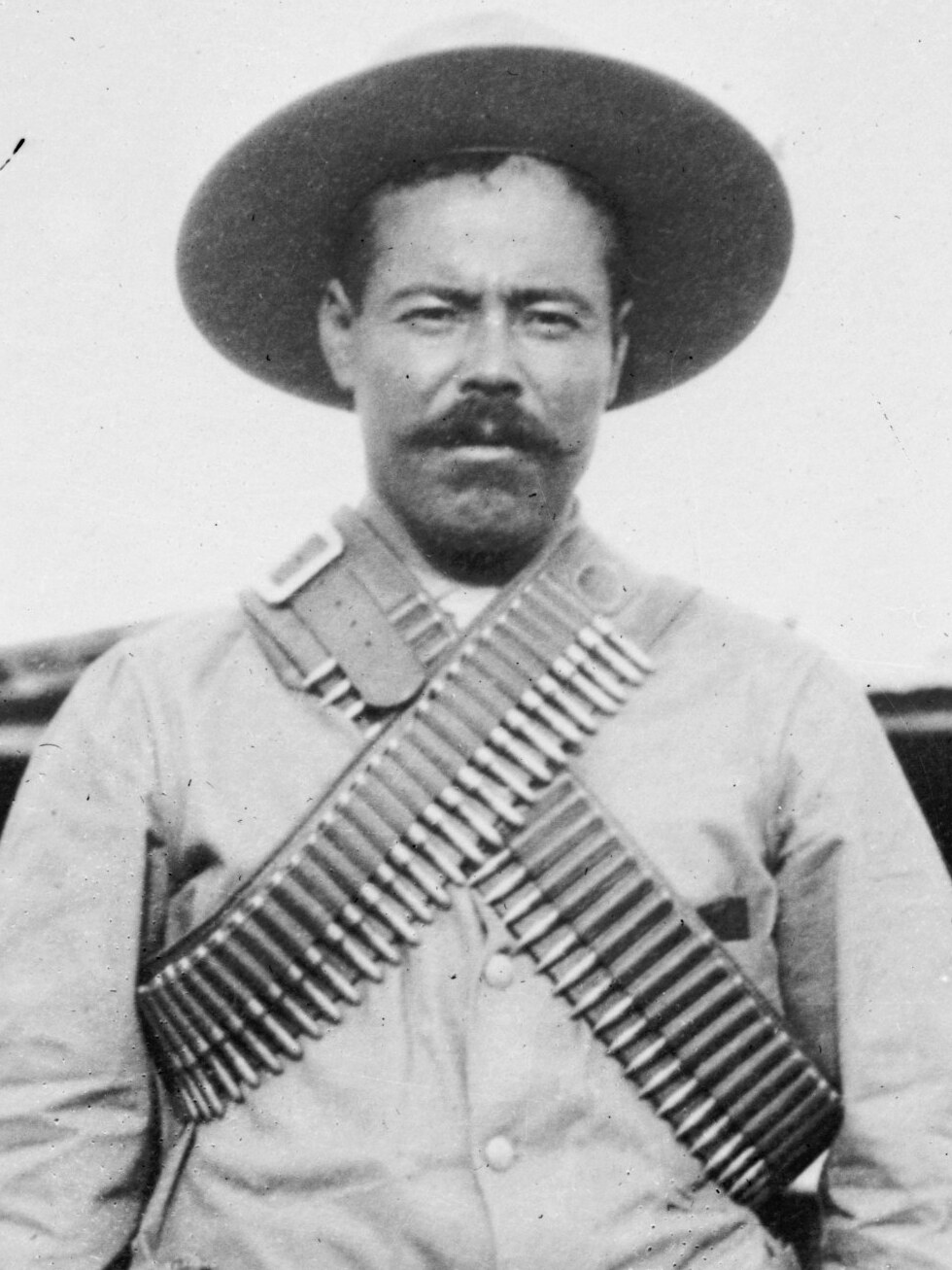
Early Life – Banditry and the Road to Revolution José Doroteo Arango Arámbula, later known as Francisco “Pancho” Villa, was born in 1878 to a poor family in Durango, Mexico . Orphaned young, he struggled to support his mother and siblings as a sharecropper and various odd jobs . In his teens, Villa’s life took a fateful turn: after an hacienda owner allegedly assaulted his sister, young Doroteo shot the man and fled to the mountains to escape retribution . Hiding in the rugged Sierra Madre, he assumed the alias Francisco Villa (borrowed from a famed bandit or perhaps a…
-
Emiliano Zapata (1879–1919) was a leading figure of the Mexican Revolution, renowned as the champion of agrarian rights in southern Mexico. Born in the state of Morelos, Zapata emerged from humble peasant origins to become the leader of a fierce rural rebellion. His movement, centered on the slogan “Tierra y Libertad” (“Land and Liberty”), sought to return land to dispossessed villagers and radically reform the feudal-like hacienda system of Porfirian Mexico. Zapata’s legacy is closely tied to the Plan of Ayala, his 1911 revolutionary manifesto that denounced betrayal of the revolution’s ideals and laid out a platform for land reform.…
-
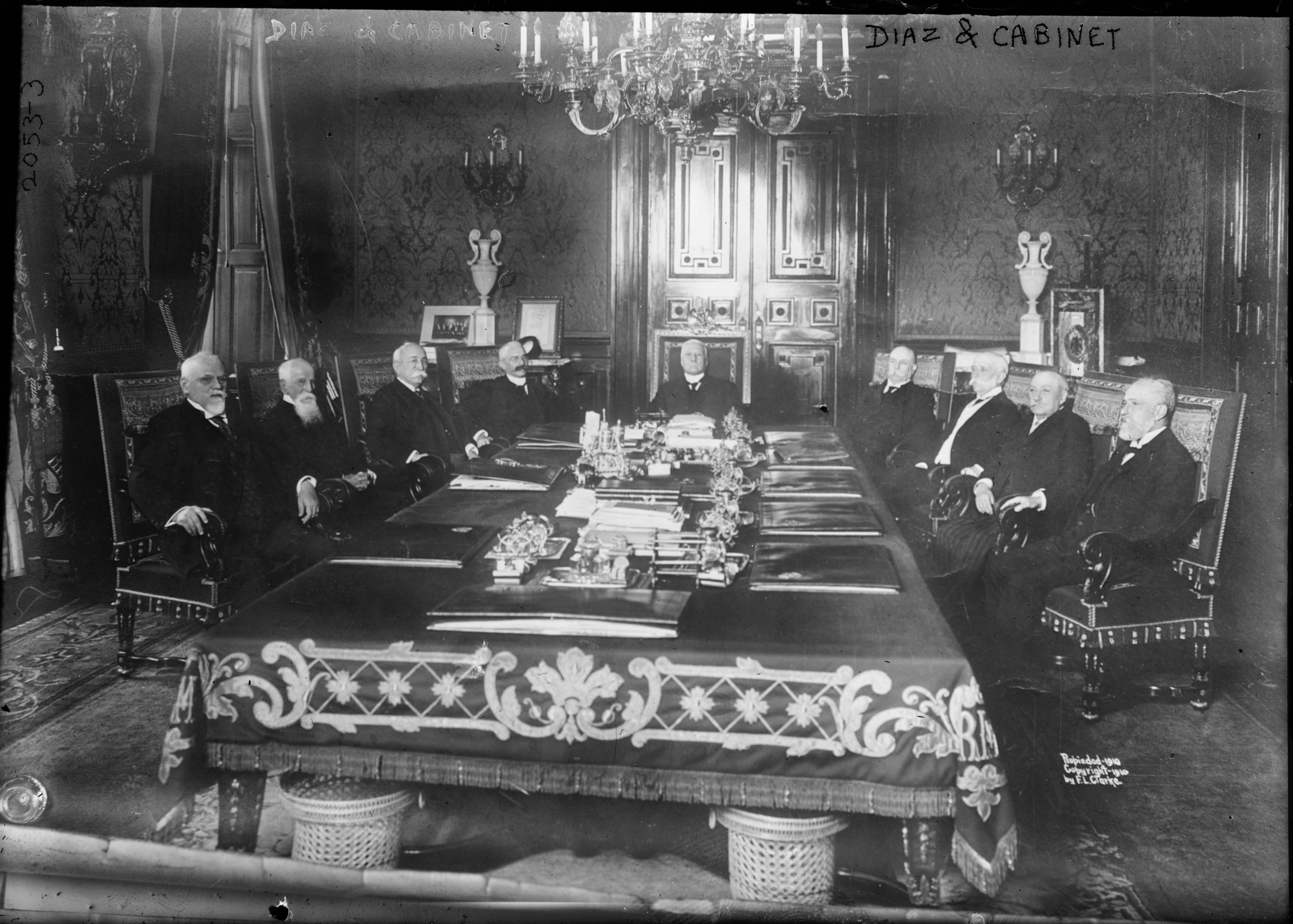
Introduction The Porfiriato refers to the long rule of President Porfirio Díaz in Mexico from 1876 to 1911, a period marked by authoritarian stability and rapid economic modernization. For 35 years Díaz presided over a regime that imposed strict political control while transforming Mexico’s infrastructure and economy in the name of “Order and Progress.” Under Díaz, foreign investment poured in, railroads and industry boomed, and a small elite prospered – even as political freedoms were curtailed and rural majorities sank deeper into poverty . These contradictions – a modernizing dictatorship that achieved growth at the expense of social justice –…