-

Emiliano Zapata (1879–1919) was a leading figure of the Mexican Revolution, renowned as the champion of agrarian rights in southern Mexico. Born in the state of Morelos, Zapata emerged from humble peasant origins to become the leader of a fierce rural rebellion. His movement, centered on the slogan “Tierra y Libertad” (“Land and Liberty”), sought to return land to dispossessed villagers and radically reform the feudal-like hacienda system of Porfirian Mexico. Zapata’s legacy is closely tied to the Plan of Ayala, his 1911 revolutionary manifesto that denounced betrayal of the revolution’s ideals and laid out a platform for land reform.…
-
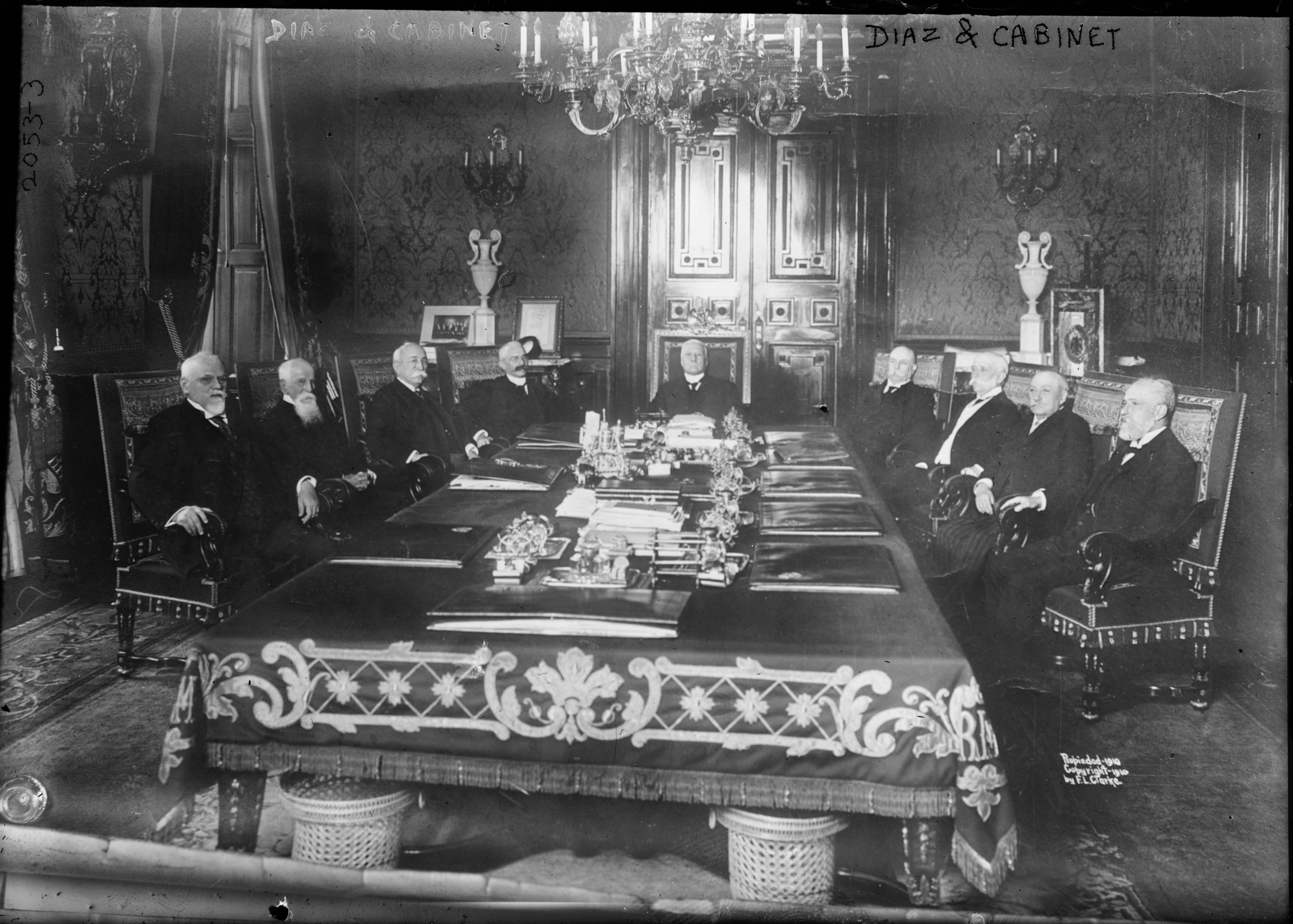
Introduction The Porfiriato refers to the long rule of President Porfirio Díaz in Mexico from 1876 to 1911, a period marked by authoritarian stability and rapid economic modernization. For 35 years Díaz presided over a regime that imposed strict political control while transforming Mexico’s infrastructure and economy in the name of “Order and Progress.” Under Díaz, foreign investment poured in, railroads and industry boomed, and a small elite prospered – even as political freedoms were curtailed and rural majorities sank deeper into poverty . These contradictions – a modernizing dictatorship that achieved growth at the expense of social justice –…
-
Introduction The Mexican Revolution (1910–1920) was a long and bloody struggle that radically transformed Mexico’s political and social landscape . Often cited as the first major social revolution of the 20th century , it began as an uprising against the 30-year dictatorship of President Porfirio Díaz and culminated in the establishment of a constitutional republic . Over the course of a decade, diverse factions of revolutionaries – from liberal democrats to peasant guerrillas – formed shifting alliances and waged battles across the country. The conflict toppled the old regime, unleashed sweeping reforms, and forged modern Mexico’s identity. Both men and…
-
The Paris Commune of 1871 was a short-lived revolutionary government in Paris that introduced radical democratic and social reforms. It was brutally suppressed during “Bloody Week,” making it one of the fiercest class conflicts of the 19th century