-

This examination focuses on a critical infrastructural pillar of the White Revolution (Enqelāb-e Sefid): the massive campaign to extend electricity to Iran’s villages. While land reform was the political centrepiece, rural electrification was its functional counterpart, representing the regime’s promise to deliver tangible modernity to the countryside. As explored in the main overview of the White Revolution, the Pahlavi state sought legitimacy not merely through redistribution but through a spectacle of development. Electrification was the most visible symbol of this promise—the literal bringing of “light” to what was portrayed as a backward, dark realm
-

This analysis explores the distinct regional impact of the Shah’s White Revolution (Enqelāb-e Sefid) on Mazandaran, the fertile Caspian province whose lush, rain-fed villages presented a stark contrast to the arid agrarian landscapes of central and eastern Iran. As detailed in the main overview of the White Revolution, the land reform program was a nationwide policy, but its effects were profoundly mediated by local ecology, existing social structures, and economic patterns. In Mazandaran, the reforms interacted with a unique context of small-scale rice cultivation, complex horticulture, and historically stronger peasant agency, leading to outcomes that differed significantly from those in…
-
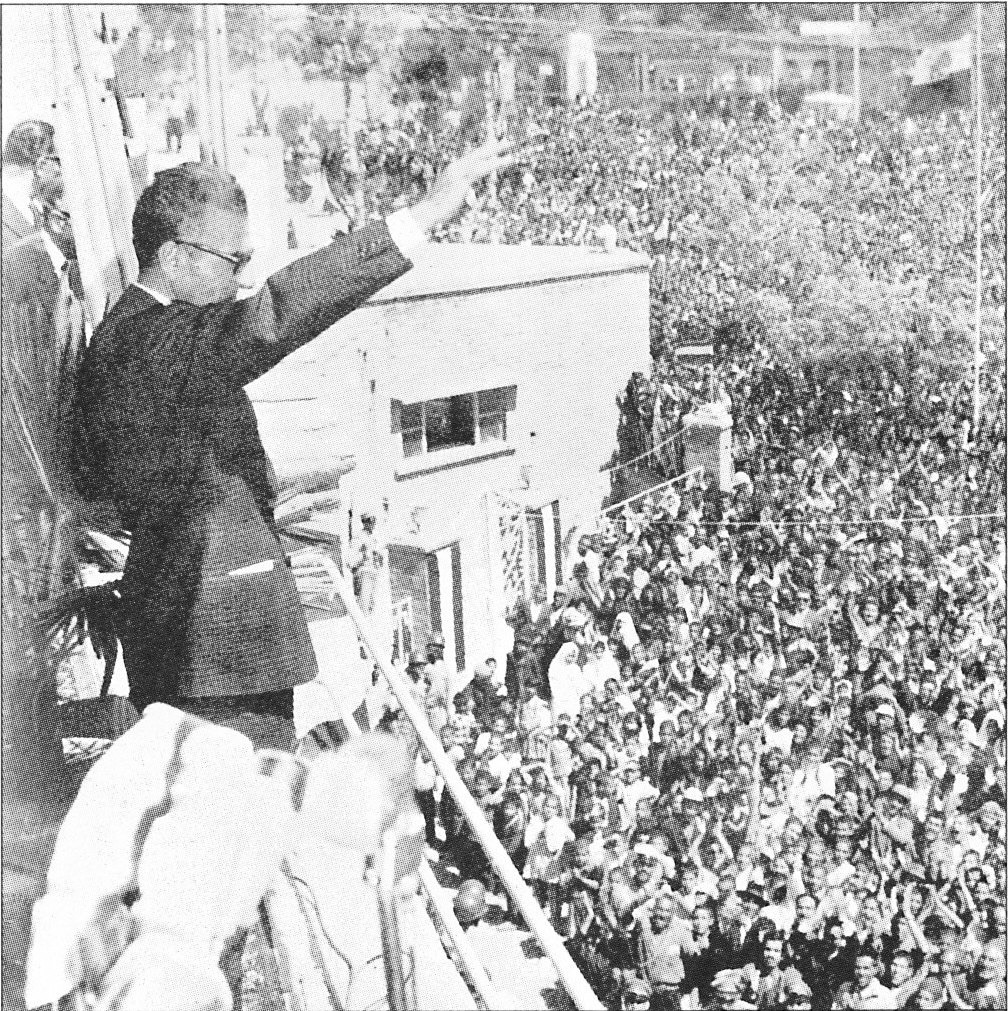
This regional case study examines the implementation and impact of the land reform program—the centrepiece of the Shah’s White Revolution (Enqelāb-e Sefid)—in Iran’s vast and historically significant province of Khorasan. It expands upon the national overview of the White Revolution, detailing how this top-down modernization policy played out in a crucial agrarian region, revealing the tensions between central planning and local realities that ultimately limited the program’s success.
-

Inside the Gilded Cage and Iran’s Paradox of Progress Before 1979 From the Explaining History Podcast This article is a detailed companion piece to our recent podcast episode on the paradoxes of Pre-Revolutionary Iran. It expands on the key themes and historical figures discussed in the show. Introduction On the eve of its dramatic 1979 revolution, Iran presented a dazzling and deeply deceptive picture to the world. It was a nation of soaring skyscrapers and ancient bazaars, of fighter jets and clerical scholars, of Western-educated technocrats and devoted pilgrims. At its head sat Mohammad Reza Pahlavi, the Shah of Iran,…
-

The Iran-Iraq War, which erupted in September 1980 and lasted for eight grueling years, was the longest conventional war of the twentieth century and one of its most brutal. While often analyzed through a geopolitical lens as a regional power struggle or a proxy conflict influenced by the Cold War, its most profound consequences were domestic, particularly for Iran.
-
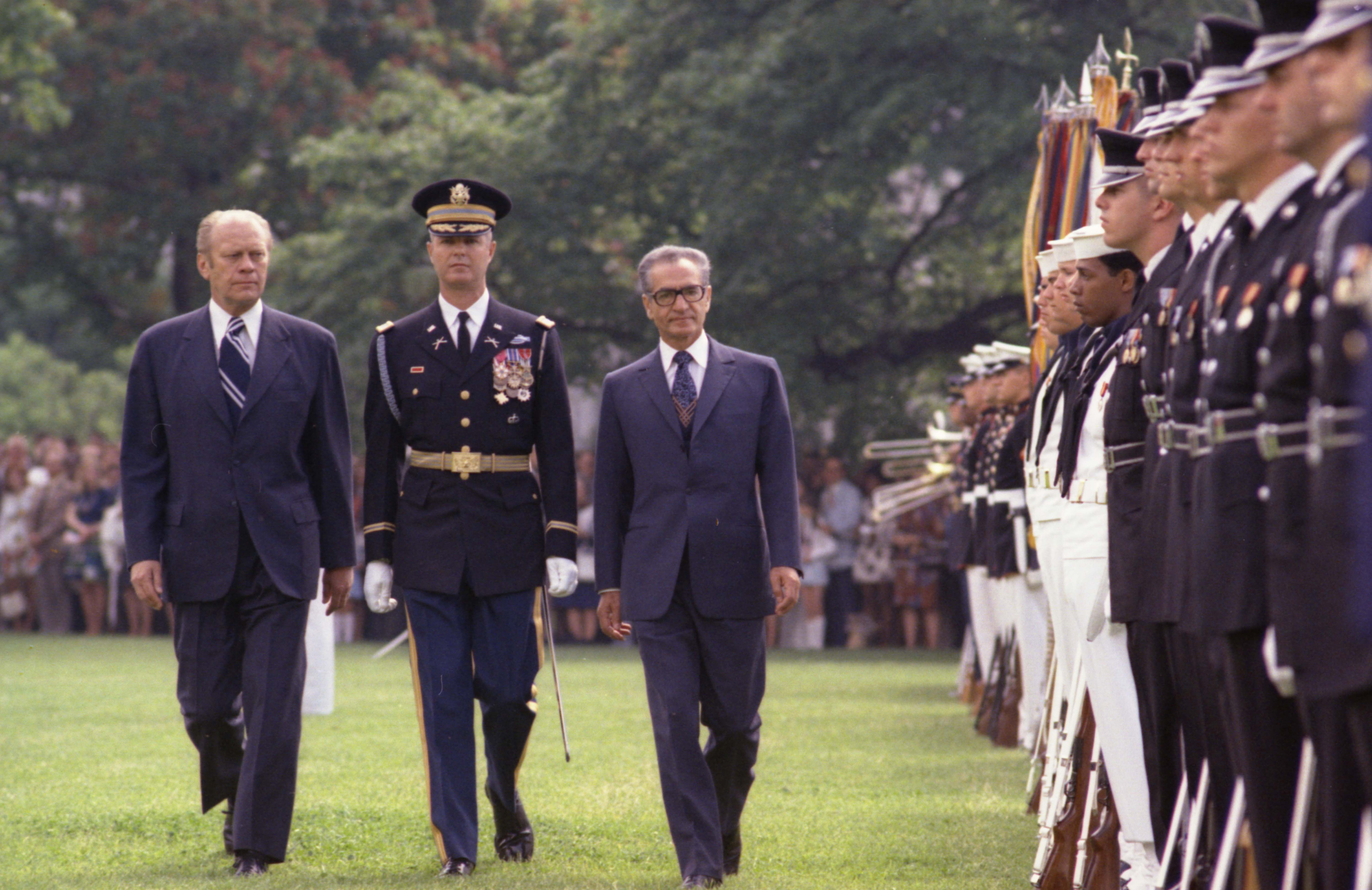
Introduction The Cold War was characterized by a bipolar global order, where states were often compelled to align with either the American or Soviet bloc. Within this framework, the regime of Mohammad Reza Shah Pahlavi in Iran was a quintessential US client state: a massive recipient of American arms, a bulwark against Soviet expansionism, and a guarantor of Western access to Persian Gulf oil. His sudden overthrow in 1979 by a popular revolution espousing a radical Islamist ideology sent shockwaves through the international system. The event was not just the fall of a dictator; it was the catastrophic failure of…
-
Introduction On November 4, 1979, a group of Iranian students scaled the walls of the U.S. Embassy in Tehran, overwhelming Marine guards and seizing 66 American diplomats and citizens. What was initially planned as a brief sit-in escalated into a 444-day ordeal that transfixed the world, crippled the presidency of Jimmy Carter, and permanently altered the relationship between the United States and Iran. The conventional narrative often frames the event as a spontaneous outburst of anger triggered by the United States’ decision to allow the deposed Shah, Mohammad Reza Pahlavi, to enter the country for medical treatment. While this was…
-
Introduction The imagery of the Iranian Revolution is indelibly marked by the figure of the veiled woman. Photographs from 1978-79 show countless women, clad in chadors, marching in the streets, confronting soldiers, and shouting slogans against the Shah. To a Western audience, this iconography presented a profound paradox: why would women actively participate in a movement that would ultimately seek to restrict their rights and mandate their veiling? This question has fueled a contentious and evolving scholarship that seeks to move beyond orientalist tropes and simplistic explanations to understand the multifaceted agency of women in one of the twentieth century’s…
-
Introduction The overthrow of Mohammad Reza Shah Pahlavi in 1979 presented a paradox: a revolution fought with modern tools of communication and mass mobilization was ultimately won in the name of a return to traditional values. While a broad coalition of forces—including nationalists, Marxists, and students—participated in the uprising, its core organizational and ideological strength derived from a centuries-old alliance between two seemingly archaic institutions: the urban bazaar and the Shi’a clerical establishment. This partnership has often been noted in revolutionary histories, but its depth, historical genesis, and operational mechanics require deeper scholarly excavation. This article contends that the bazaar-clergy…
-
Introduction The study of modern authoritarian regimes invariably necessitates an examination of their internal security apparatuses. In the case of Iran under Mohammad Reza Shah Pahlavi (1941-1979), the Organization of National Intelligence and Security (SAVAK) served as the linchpin of the state’s coercive architecture. Historiography of the late Pahlavi period often treats SAVAK as a synonym for brutality, a narrative cemented by revolutionary discourse and victim testimonies. While accurate in describing its methods, this characterization can obscure a fuller academic understanding of SAVAK as a complex institution born from specific Cold War exigencies and a particular logic of governance. This…