-
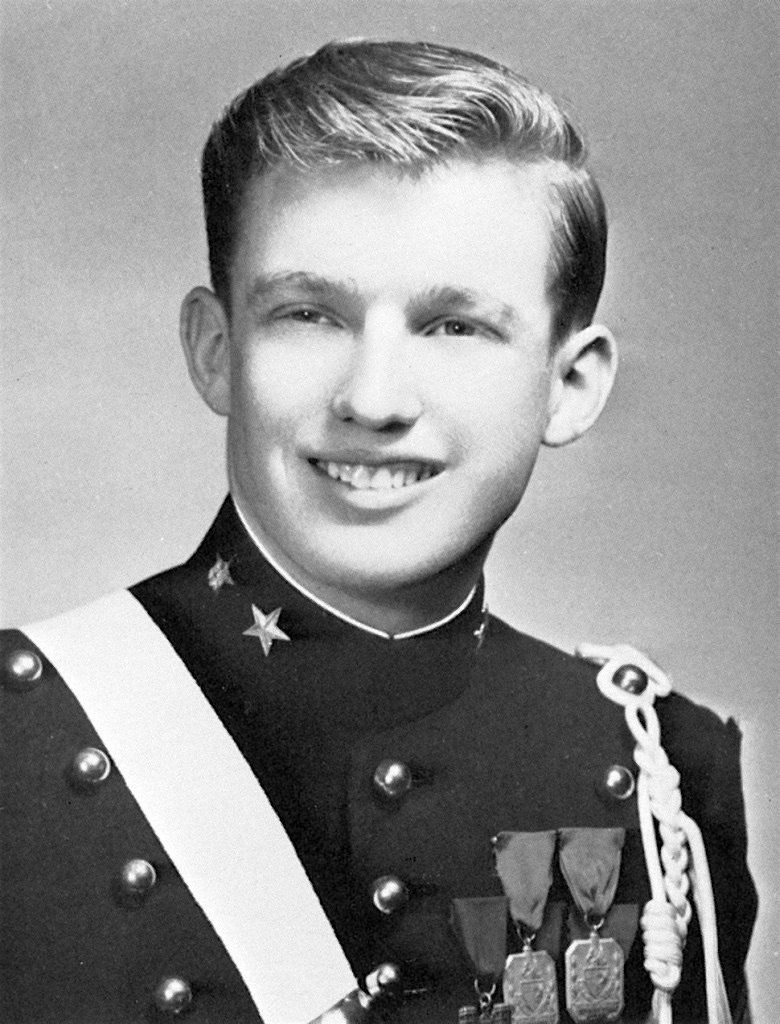
Donald Trump’s presidency became the instrument of the Protestant establishment’s final destruction, contrasting with Roosevelt’s class-defining portrait. Trump, unlike Roosevelt, was the son of a Queens developer, signaling a new era of arrival.
-
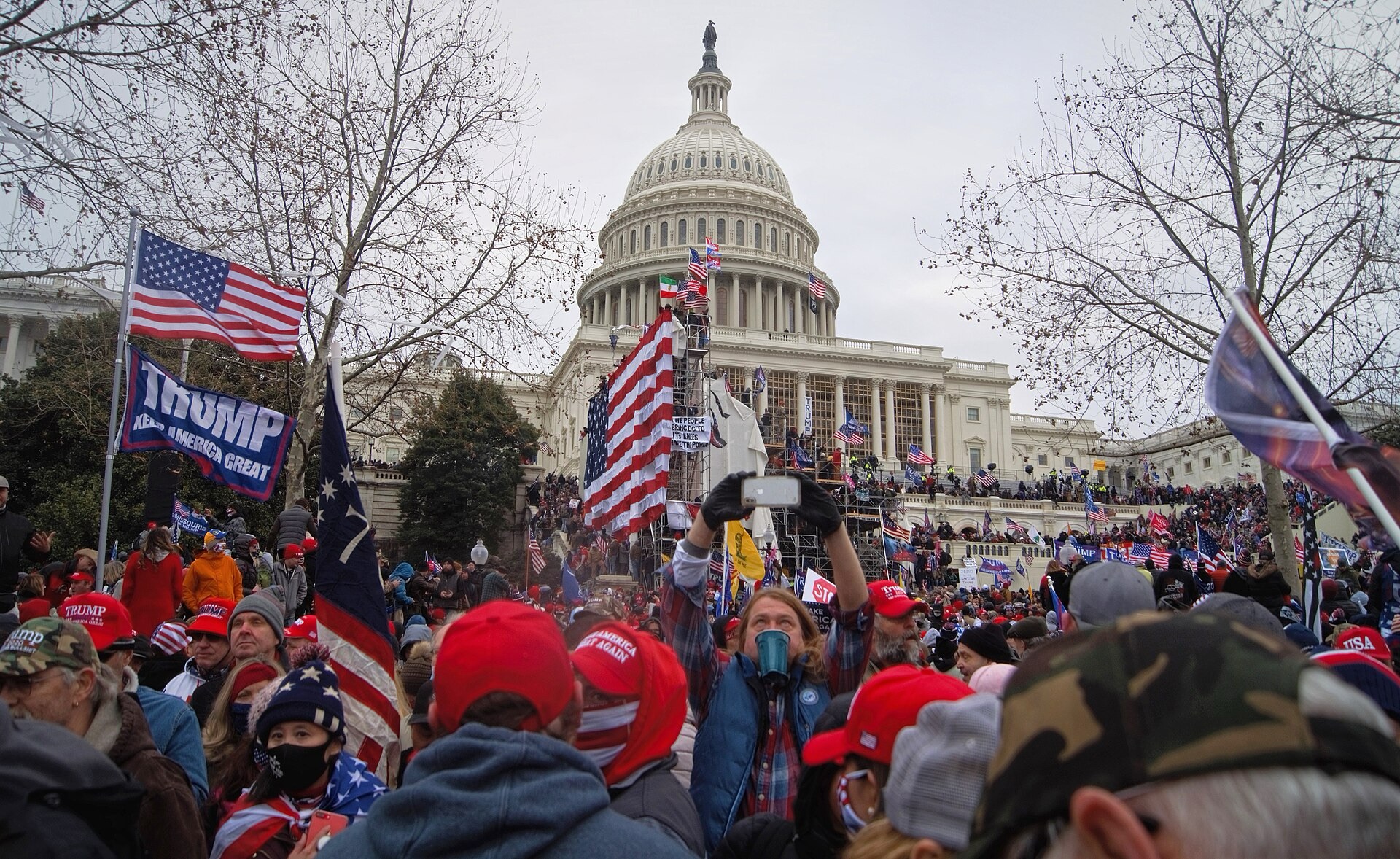
President Trump’s impeachment in 2019 revealed a pattern of disregarding constitutional norms. The charges of abuse of power and obstruction were rooted in his efforts to leverage military aid against foreign leaders. Trump’s dismissal of the proceedings as a ‘witch hunt’ and his subsequent Senate acquittal underscored his prioritization of personal narrative over institutional duty.
-

The COVID-19 pandemic briefing on April 13, 2020, became a defining moment in presidential communication history. As hospitals in New York faced dire shortages of ventilators and the death toll surpassed 20,000 Americans, President Donald Trump opted for a video montage over delivering essential information. This self-directed production showcased his daily efforts against the pandemic, but critics saw it as a display of self-importance.
-

The Ottoman Empire’s capture of Allied prisoners during WWI was staggering, with estimates between 100,000 and 150,000, while the Allies seized a similar number. These figures make the Ottoman theater one of the major sites of contention for captives.
-

The mountains of Afghanistan held a prophecy that would shape global conflicts. In 1997, Osama bin Laden envisioned a United States weakened by its own response, a strategy that would echo in the wake of 9/11. As history unfolded, bin Laden’s insights into the cost of perpetual war proved prescient.
-
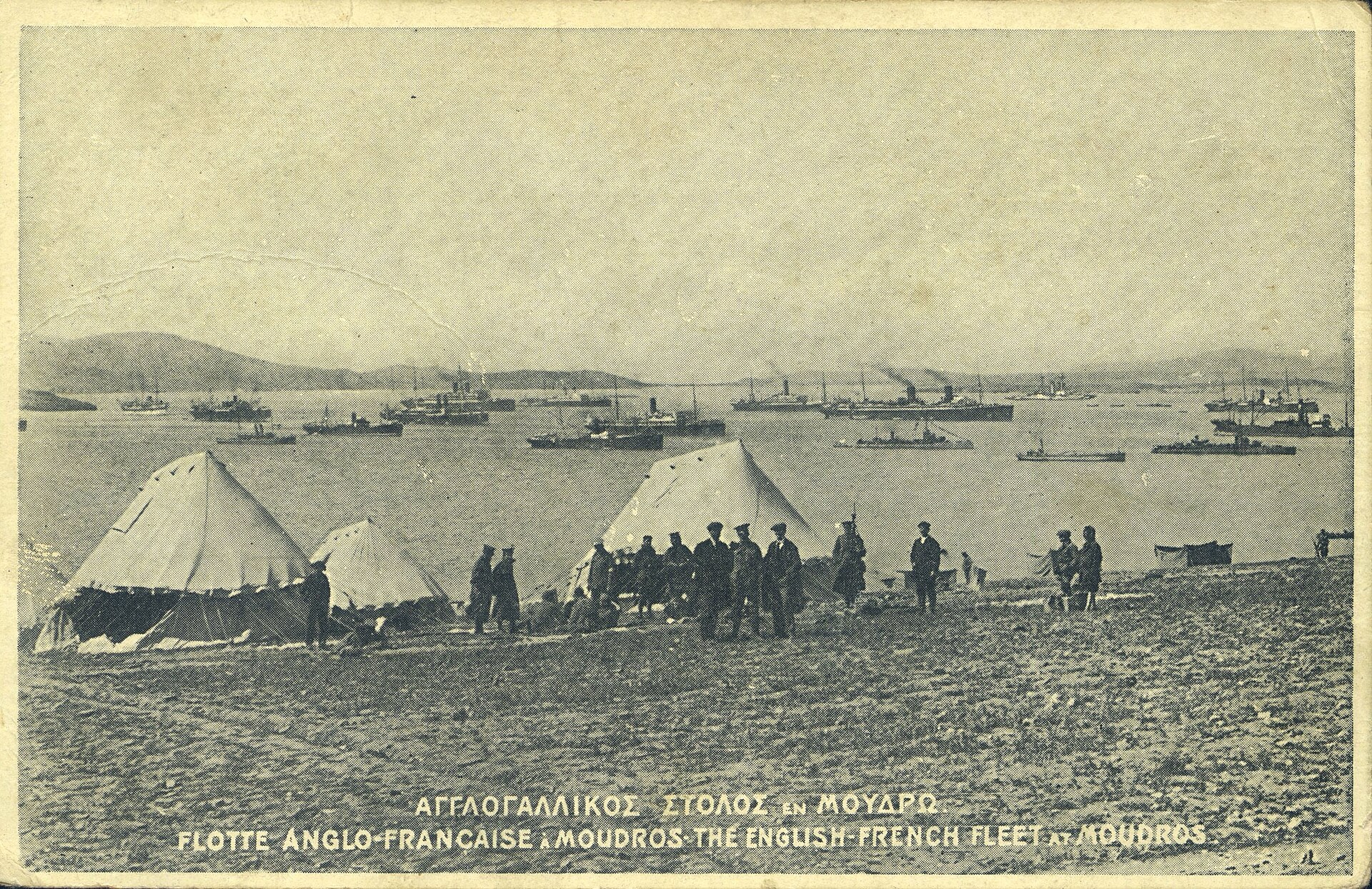
The signing of the Armistice of Mudros in 1918 was a surrender that dismantled the Ottoman Empire, paving the way for the emergence of modern Turkey and altering Middle Eastern geopolitics forever
-
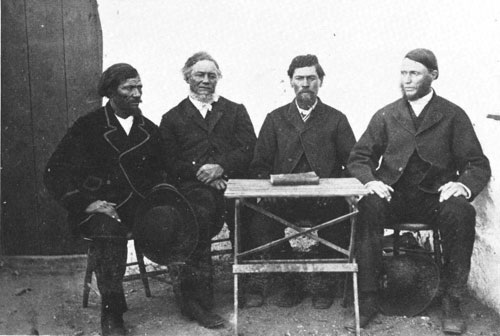
In Susan Pedersen’s book *The Guardians*, the colonial mandate system is explored as a mechanism through which colonized peoples claimed nations’ rights. The narrative reveals how these systems were tools for colonial powers to legitimize territorial claims, yet they were viewed by colonized populations as betrayals of promised self-determination. This complex legacy highlights the contradictions at the heart of post-war governance.
-
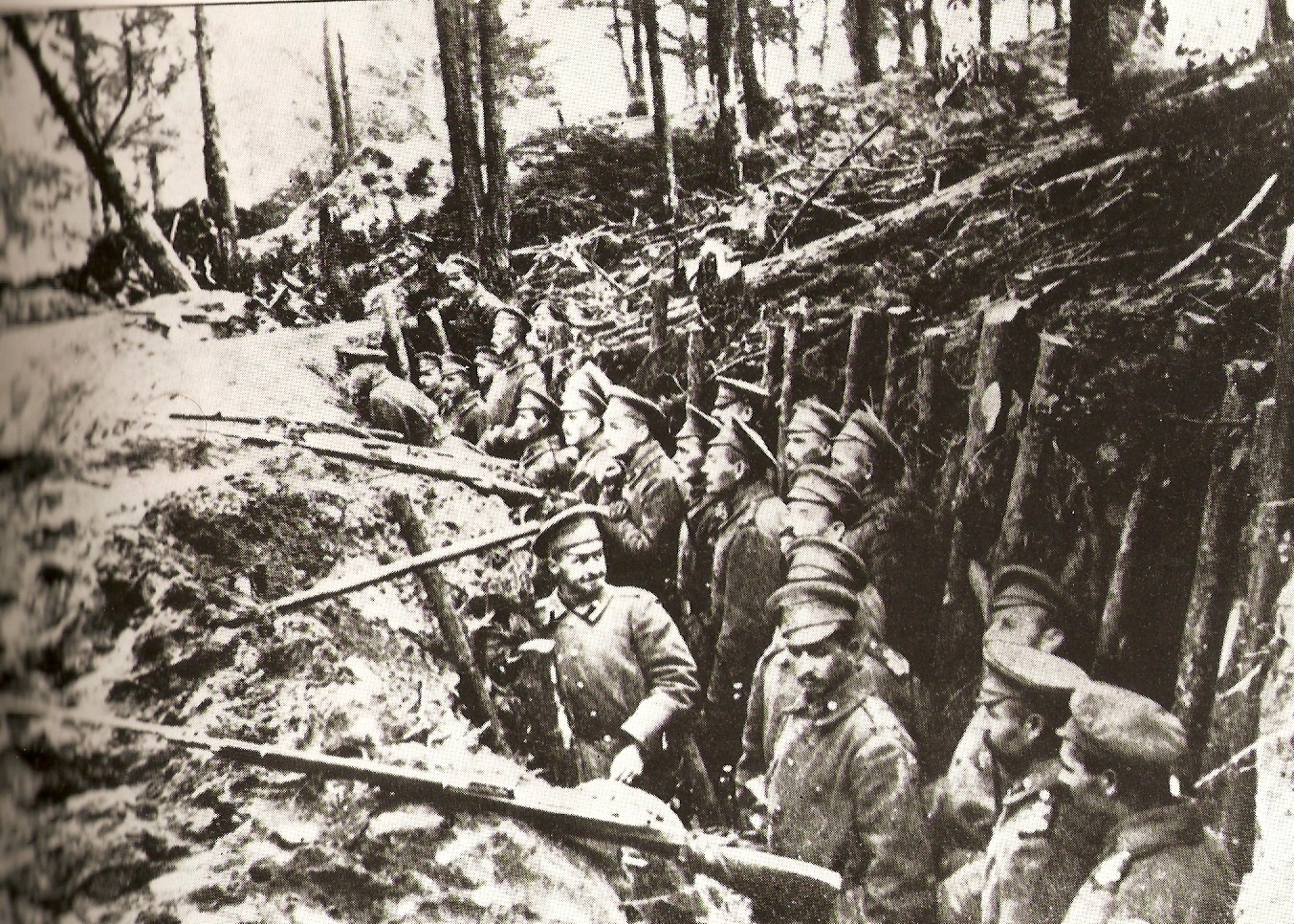
The Ottoman Third Army’s disastrous winter offensive at Sarikamish in 1914 highlighted the brutal realities of the First World War, with 60,000 to 80,000 casualties from harsh conditions. This pivotal battle set the stage for the complex ethnic conflicts that reshaped the Caucasus region.
-

The Mesopotamian campaign, often overshadowed by Gallipoli and the Western Front, marked a turning point for both empires. For Britain, it was a catastrophic failure, while the Ottomans capitalized on familiar ground, showcasing their strategic prowess.
-

The Ottoman Empire’s bold but ultimately failed assault on the Suez Canal in 1915 revealed the harsh realities of war and exposed its strategic vulnerabilities. This early military operation sought to sever British communications and incite an uprising but highlighted the fragile nature of Ottoman military planning.