-

In 1978, the People’s Republic of China was one of the poorest countries in the world. Its economy had been devastated by the convulsions of the Maoist era — the Great Leap Forward, the Cultural Revolution — and its population of nearly a billion people had a per capita income comparable to sub-Saharan Africa. Forty years later, China was the world’s second-largest economy, the largest manufacturer, the largest trading nation, and a military and technological power whose capacities no other country could ignore. The transformation was without precedent in the history of economic development.
-

The twentieth century produced more kinds of music than any previous era, and the proliferation was not random. Each major genre that emerged — gospel, blues, jazz, country, R&B, soul, reggae, hip-hop, electronic music — arose from a specific social location, carried specific values and grievances, and tracked the history of the communities that created it with a fidelity that no other art form matched. Popular music was not the accompaniment to the social history of the century. In many respects, it was the most accurate record of it.
-

On the morning of 11 September 2001, nineteen men boarded four commercial aircraft on the east coast of the United States and turned them into weapons. By the time the day was over, nearly 3,000 people were dead, two of the most recognisable buildings in the world had collapsed, and the most powerful government on earth had begun the process of deciding what it would do in response. The decisions it made over the following months and years reshaped the world in ways that are still being reckoned with.
-
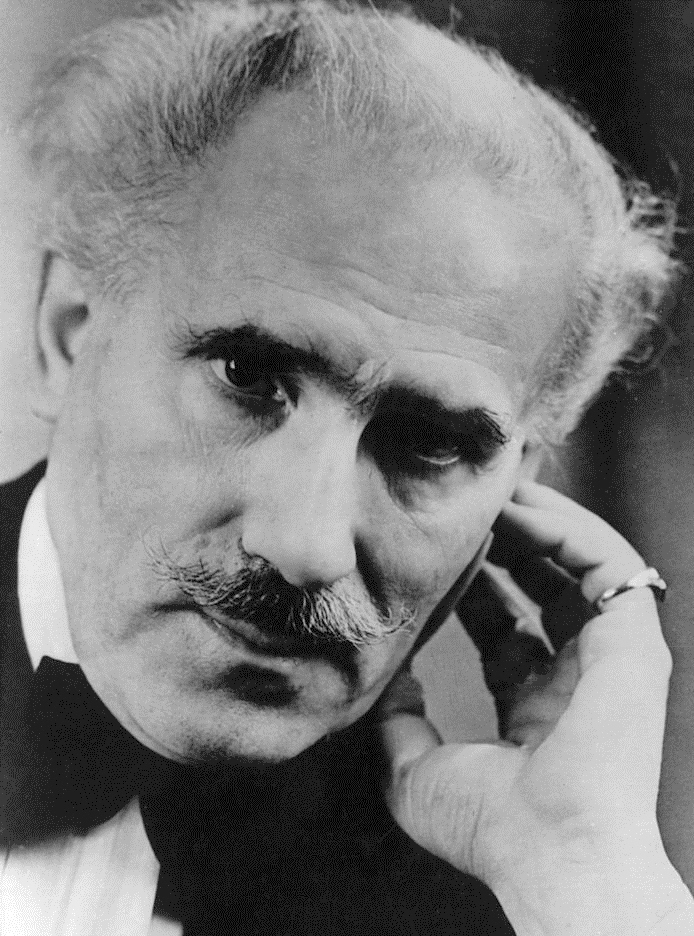
In this episode of the Explaining History Podcast, we are joined by Italian author Filippo Iannarone to discuss his acclaimed crime novel, The Toscanini Conspiracy – a story that weaves together a real‑life cold case, the anti‑fascist resistance of conductor Arturo Toscanini, and the author’s own family history of heroic opposition to Mussolini and Hitler. The novel began with a chance encounter. While travelling in Val d’Orcia, Filippo discovered a small inn called Locanda Toscanini and asked the host why it bore the name of the legendary conductor. The answer opened a door to a forgotten story: the murder of Dr. Rinaldi,…
-

In 1962, Rachel Carson published a book about pesticides. It was written in a style more usually associated with poetry than with science, and it argued that the application of synthetic chemicals to the natural world was producing consequences that no one had planned and that no one had yet begun to measure. The book did not save the environment. But it created the political and cultural conditions in which saving the environment became thinkable.
-
The conflict between Israelis and Palestinians is sometimes described as ancient, and it is not. It is a modern conflict, born of the specific conditions of the late nineteenth century — the rise of nationalism, the decline of empire, the crisis of European Jewry — and of the specific decisions taken by specific people in the first half of the twentieth century. Understanding it requires going back to those origins, without assuming that the outcome was in any way inevitable.
-
The internet was built by the American military to survive a nuclear war. It became the infrastructure of global commerce, the primary means by which most of the world’s population communicates, and the most powerful surveillance apparatus in human history. None of these outcomes were planned. All of them followed, with a logic that seems almost inevitable in retrospect, from decisions made without any clear sense of what they would produce.
-
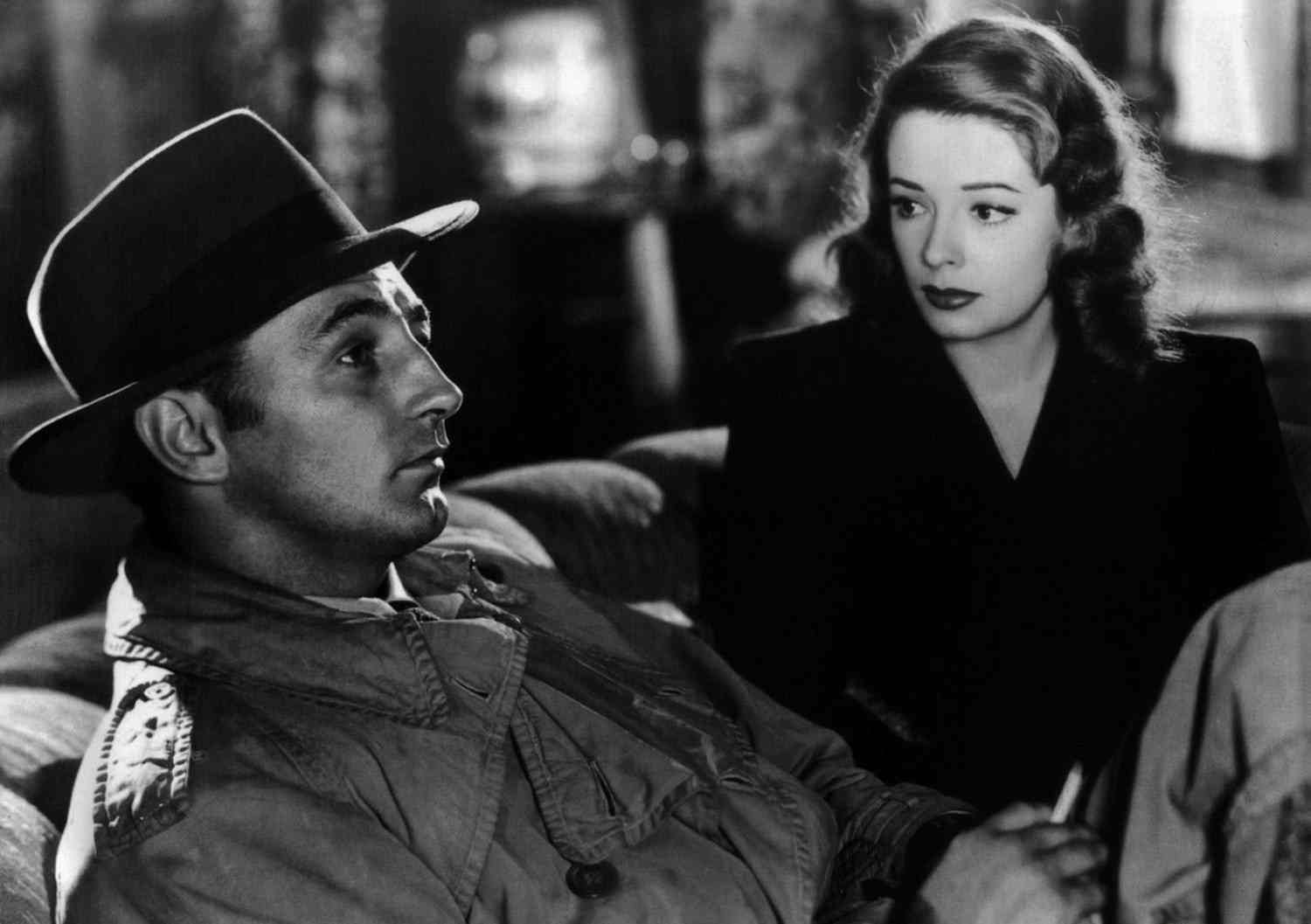
Cinema was the twentieth century’s own art form — the only major artistic medium to be invented after industrialisation and before the digital age. No other form matched its combination of mass reach, emotional immediacy, and technical complexity, and no other was so thoroughly shaped by the specific conditions of the century that produced it.
-
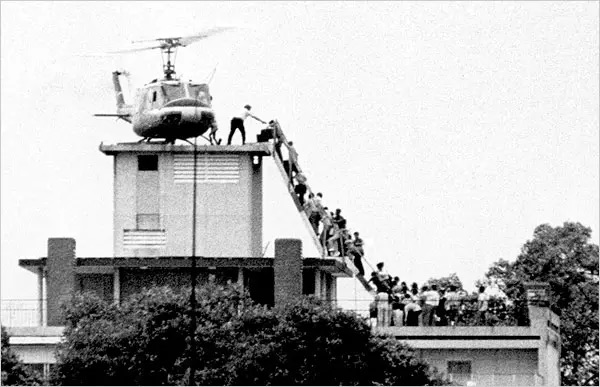
The United States spent more than a decade in Vietnam, dropped more bombs on it than were dropped by all sides in the Second World War, and lost. The defeat was not primarily military. It was political, strategic, and ultimately moral: a failure to understand what the war was, who it was against, and what winning would have required.
-
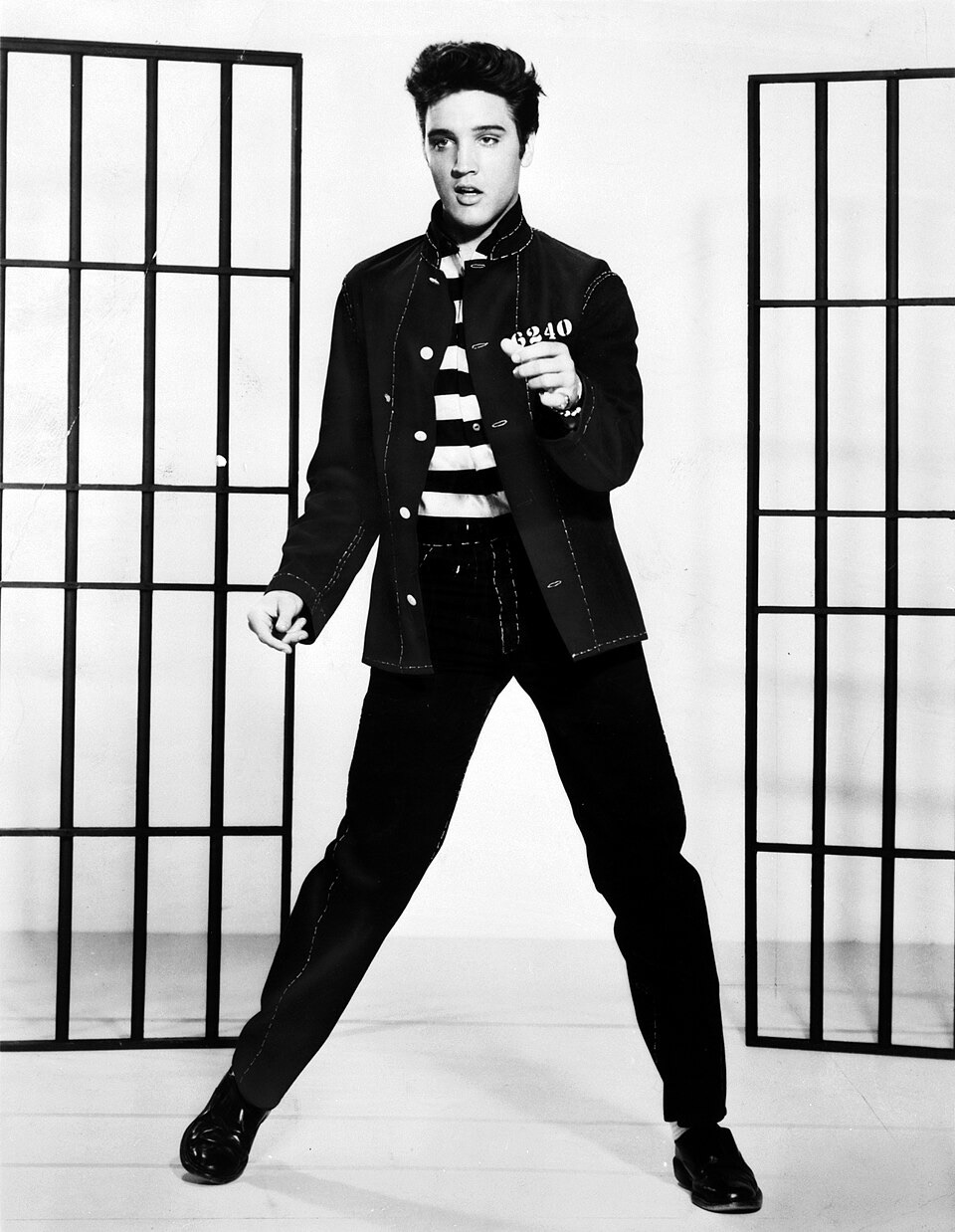
Rock and roll did not begin on the day Elvis Presley walked into Sun Studio in Memphis. It had been building for decades in the Black churches and juke joints of the American South. What changed in 1955 was not the music but the audience — and, behind the audience, the industry that decided white teenagers were ready to buy it.