-
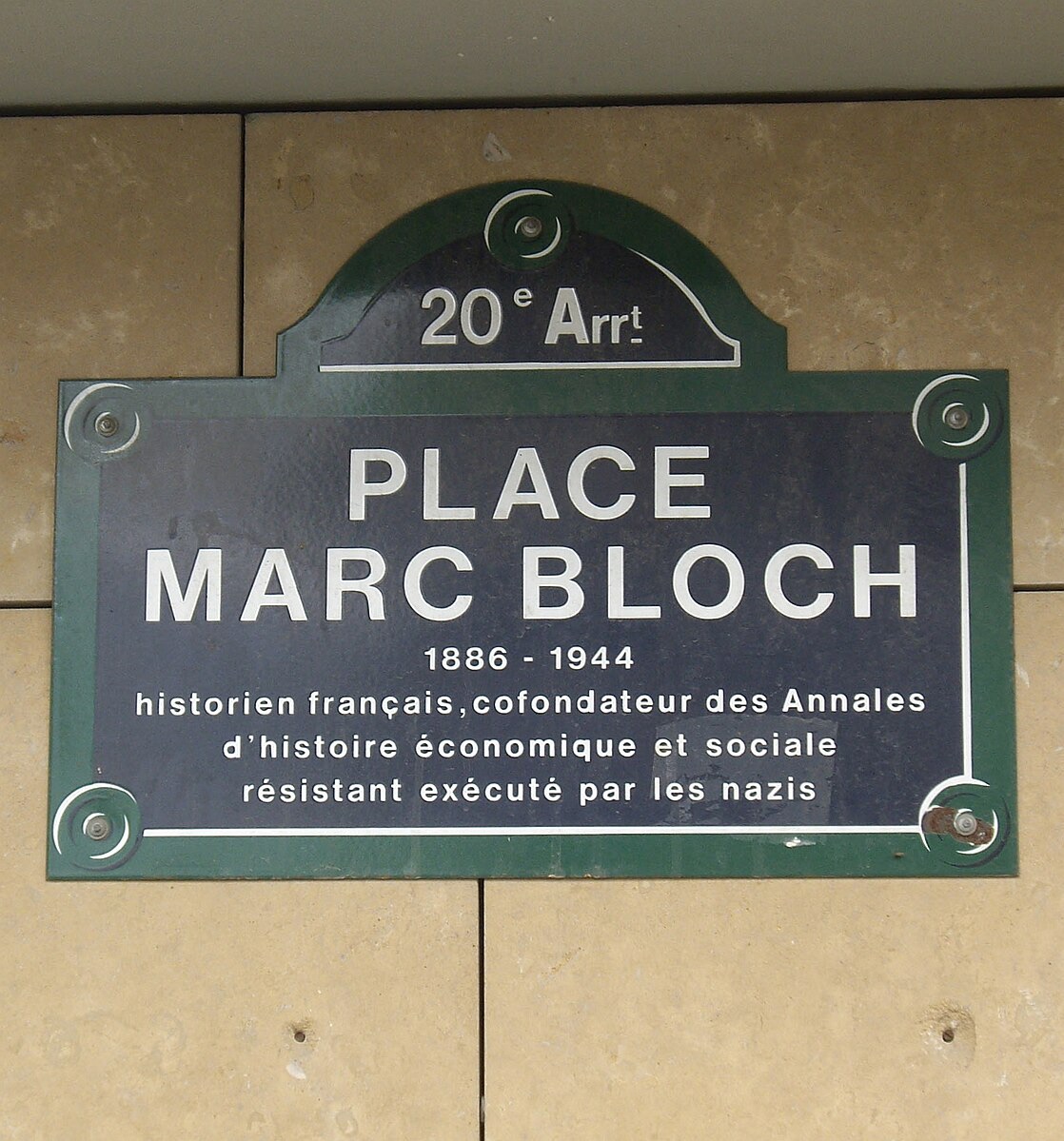
Marc Bloch’s Strange Defeat, written in the aftermath of the 1940 collapse, reframes the Fall of France not as a military accident but as a systemic failure of the Third Republic. Bloch identifies a “cold civil war” between the Right and the Popular Front that fractured national unity, creating an environment where conservative elites feared domestic socialism more than foreign fascism. He critiques a gerontocratic military bureaucracy that refused to innovate and an educational system that produced leaders lacking in character. While the Vichy regime blamed the “spirit of enjoyment” of the working class, Bloch’s testimony incriminates the intellectual and moral…
-
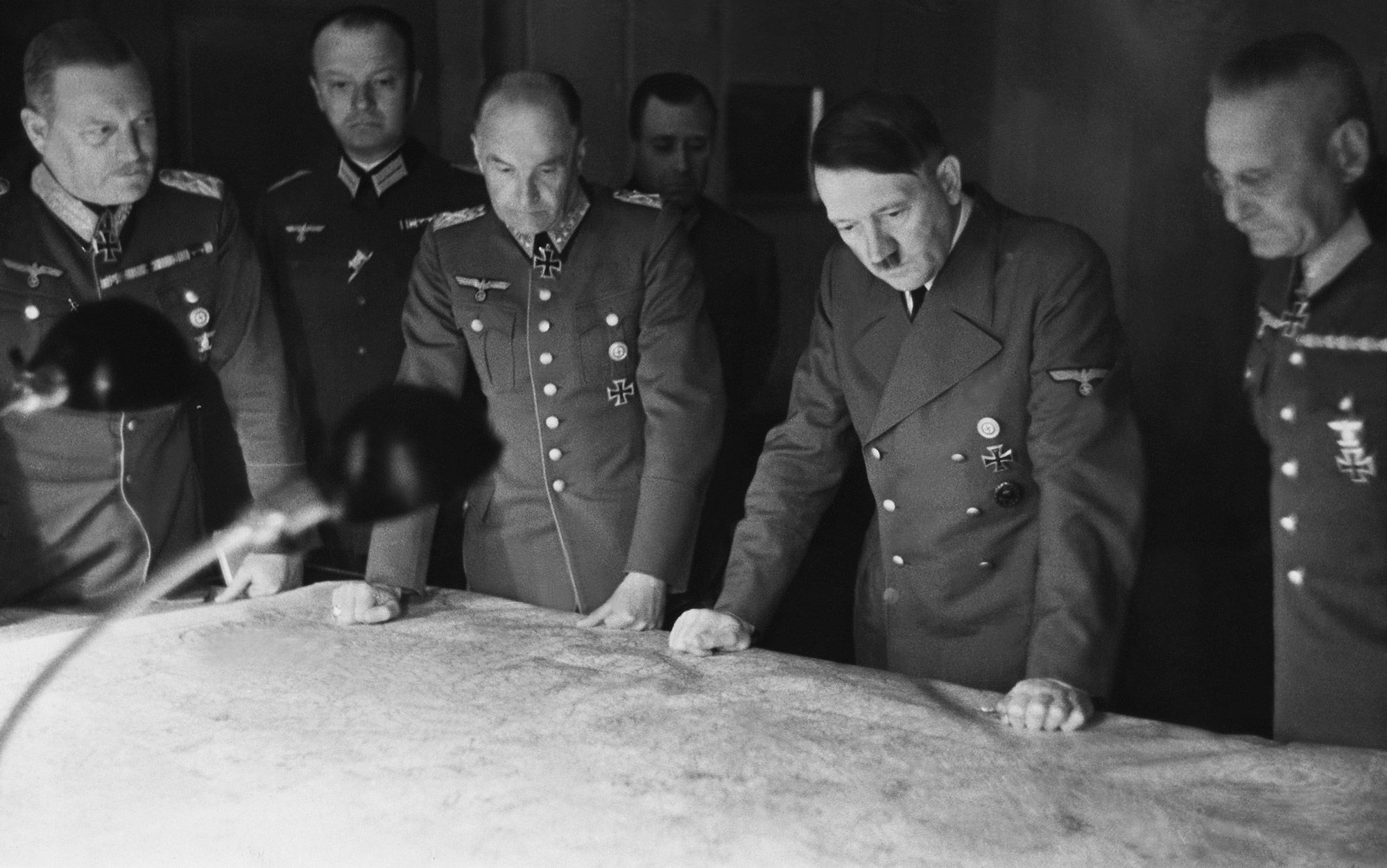
The collapse of France in 1940 was not merely a military tactical failure but the result of a profound demographic and psychological crisis rooted in World War I. The “Hollow Years”—a dramatic deficit of military-age men caused by the slaughter of 1914–1918—forced France into a defensive strategic straitjacket. Haunted by the “Ghost of Verdun,” the French High Command adopted the “Maginot Mentality,” relying on static fortifications and firepower to spare blood. This risk-averse doctrine, born of trauma and biological necessity, rendered the French army structurally incapable of countering the speed and improvisation of the German Blitzkrieg. Image Attribution: Attribution: Bundesarchiv,…
-

From Restraint to Ruin – The Birth of the Bombing WarAt the dawn of World War II in 1939, a fragile consensus existed among the warring powers. Spurred by an appeal from President Roosevelt, leaders like Neville Chamberlain and even Hitler gave public undertakings to abstain from the horror of aerial attacks on civilians. There was a genuine, if naïve, belief that the looming conflict could be “humanised,” and that the bomber would be restricted to purely military targets.But how did this initia
-
Churchill’s Spaniards: The Spanish Republicans Who Fought for Britain in WWII — with Sean F. Scullion In this episode, I speak with historian Sean F. Scullion, author of Churchill’s Spaniards, about a remarkable and little-known story: the Spanish Republicans who escaped the fall of the Second Republic, endured internment under Vichy France, and later volunteered to fight in the British Army against fascism from 1940 to 1945. Drawing on multi-lingual archival work and over 110 family interviews,
-
In 1945, weeks before the Western Allies arrived in Hitler’s capital the Red Army controlled the city and began to quietly impose a new generation of German communists. Amid the ruins and devastation, ordinary Berliners, aware of their country’s crimes, began to rebuild. This episode draws on Berlin by Sinclair McKay.Go Deeper: Visit our website at www.explaininghistory.org for articles and detailed explorations of the topics discussed.▸ Join the Conversation: Our community of history enthusiast
-
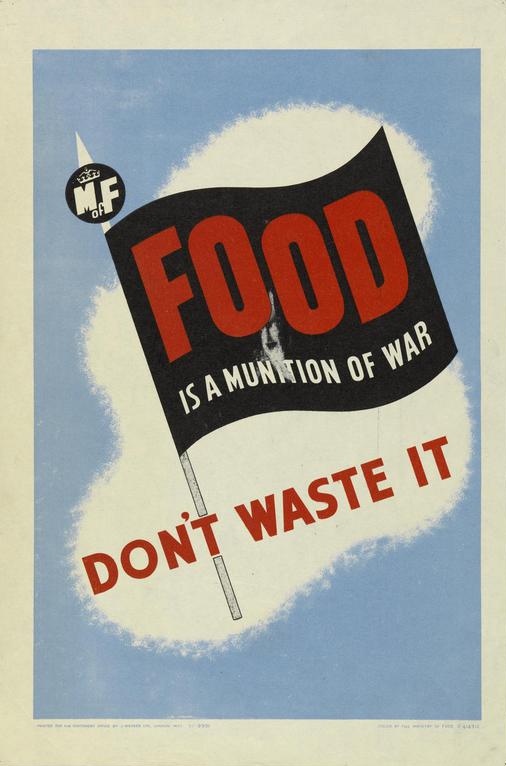
When the First World War began in 1914, nations discovered that modern war required more than guns and factories. It needed imagination. The conflict would be fought not only on the battlefield but in newspapers, cinemas, schools, and living rooms. For the first time, governments set out to manage what people felt. Posters, songs, films, and radio broadcasts became weapons in a struggle for morale. The same technologies that had been used to sell soap and cigarettes were now used to sell sacrifice and endurance. The twentieth century’s wars were also wars of culture — battles to control the stories…
-
In this episode, The Explaining History Podcast explores the dark and complex evolution of genocide during the Second World War. Drawing on the foundational research of Nikolaus Wachsmann in his seminal work, “KL: A History of the Nazi Concentration Camps,” and the broader “functionalist” school of historical thought, this episode traces the path to the Holocaust.The discussion will move away from a simplistic view of a pre-meditated plan for mass extermination and instead delve into the radical
-
During the Second World War Mohammad Reza Pahlavi took to the throne of Iran, placed into power by the British and the Soviets to depose his Nazi backing father. The Shah was able to break from the constitutional limitations upon him in 1953 after the British and Americans overthrew Iran’s Prime Minister Mohammad Mosaddegh. A decade later, the Shah began to radically transform Iran socially and economically, but in doing so built up powerful revolutionary tensions. For more on Iran, you can read
-
In 1940, when France fell to the Nazi invasion its colonies became Vichy satellites and in Asia, Vietnam rapidly fell under Japanese control. The French colonial elites saw their power gradually stripped away from them but it was the Vietnamese people that suffered terribly from Japanese rule with over a million dying in a famine created by the occupiers. The American OSS shipped arms to the Vietminh, the national liberation movement, but by 1945 they were far more concerned about the returning
-
In the immediate aftermath of World War II, the world faced the horror of unprecedented atrocities and the challenge of building a new international order. The United Nations was founded in 1945 on principles of peace and justice, but by 1948 the Cold War rivalry between the United States and the Soviet Union was already shaping global politics. In this climate of both hope and tension, two landmark achievements emerged: the Genocide Convention (adopted 9 December 1948) and the Universal Declaration of Human Rights (adopted 10 December 1948). Both drew on the war’s lessons – especially the Holocaust and other…