-
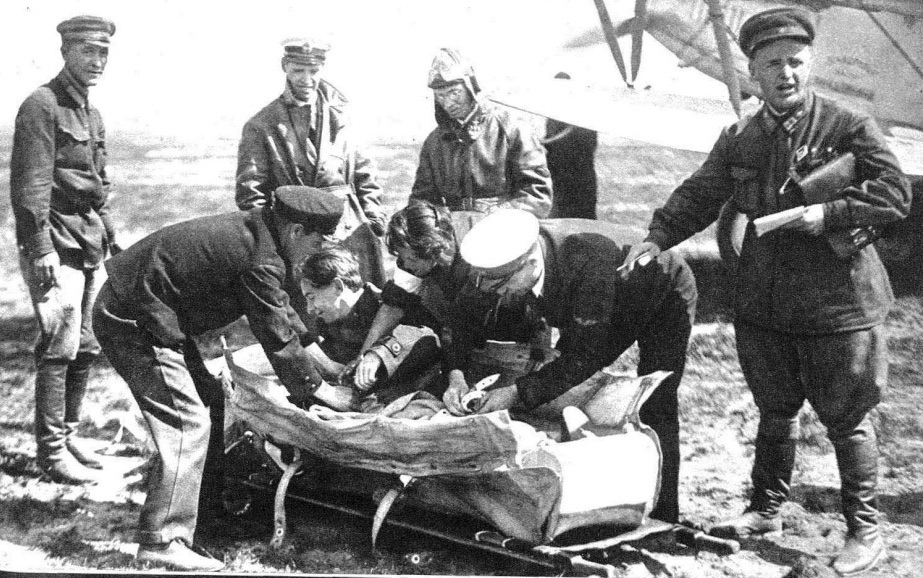
The international dimension of the Spanish Civil War is often conceptualized as a polarized contest between fascist and anti-fascist forces, a framework that assigns the Soviet Union a clear role as the principal patron of the Republican cause. This characterization, while not entirely inaccurate, obscures a far more complex and contradictory reality.
-
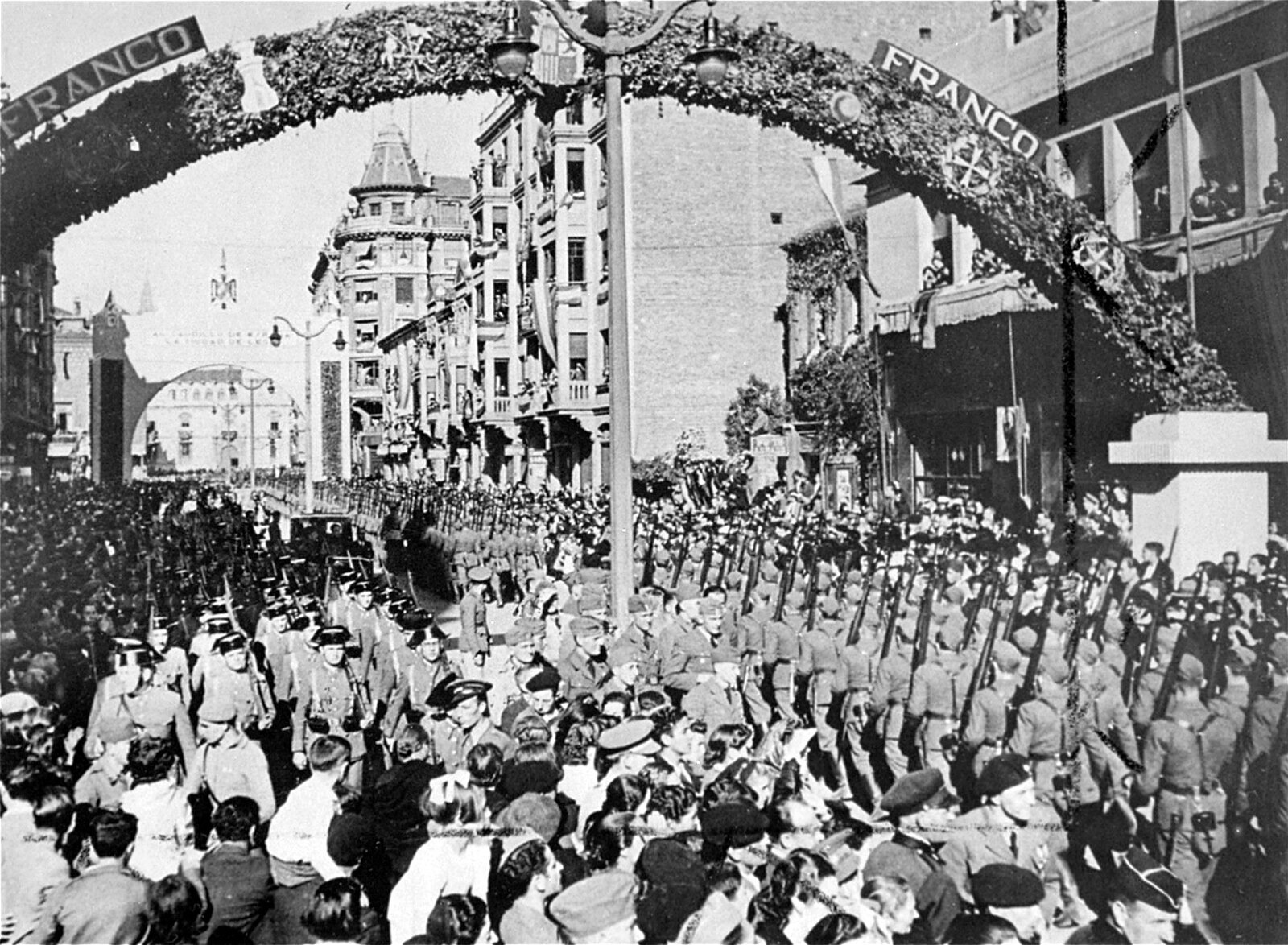
The Spanish Civil War (1936-1939) occupies a uniquely contested space in modern historical memory, often obscured by layers of political mythmaking. For decades, a powerful and persistent narrative—forged in the propaganda of the era and solidified by the Cold War—framed the conflict as a stark, elemental clash between the forces of democracy and fascism, a simplistic binary that served as a potent prelude to the larger world war that followed. While this interpretation contains elements of truth, particularly in how the conflict was perceived and mobilized by contemporary international actors, it fundamentally distorts the complex Spanish reality it seeks to…
-

The Spanish Civil War – Prelude to a Global Struggle In July 1936, a military coup against Spain’s democratically elected Second Republic sparked a brutal civil war that became a microcosm of Europe’s ideological battles. On one side stood the Spanish Republic’s defenders – an uneasy coalition of liberals, socialists, communists, anarchists and regionalists determined to uphold democratic reform. On the other side rallied General Francisco Franco’s Nationalists – conservative army officers, monarchists, fascist Falangists and the Catholic hierarchy, intent on crushing the Republic and rolling back its liberal reforms. The conflict soon drew international intervention: Nazi Germany and Fascist…