-

On the morning of 13 December 1937, Japanese troops entered the Chinese city of Nanjing. The city had been the capital of the Nationalist government, which had fled westward ten days earlier, leaving behind a population of perhaps half a million civilians and a garrison of soldiers who had largely melted away into the city’s streets, stripped of their uniforms.
-

The demographic transformation that made Black music audible to a mass American audience began in the decade before World War I and accelerated dramatically during and after it. The Great Migration — the movement of Black Southerners out of the Jim Crow South toward the industrial cities of the North — reshaped the human geography of the United States and carried with it the musical cultures of the Mississippi Delta, the Georgia sea islands, the Texas plains, and the New Orleans streets.
-
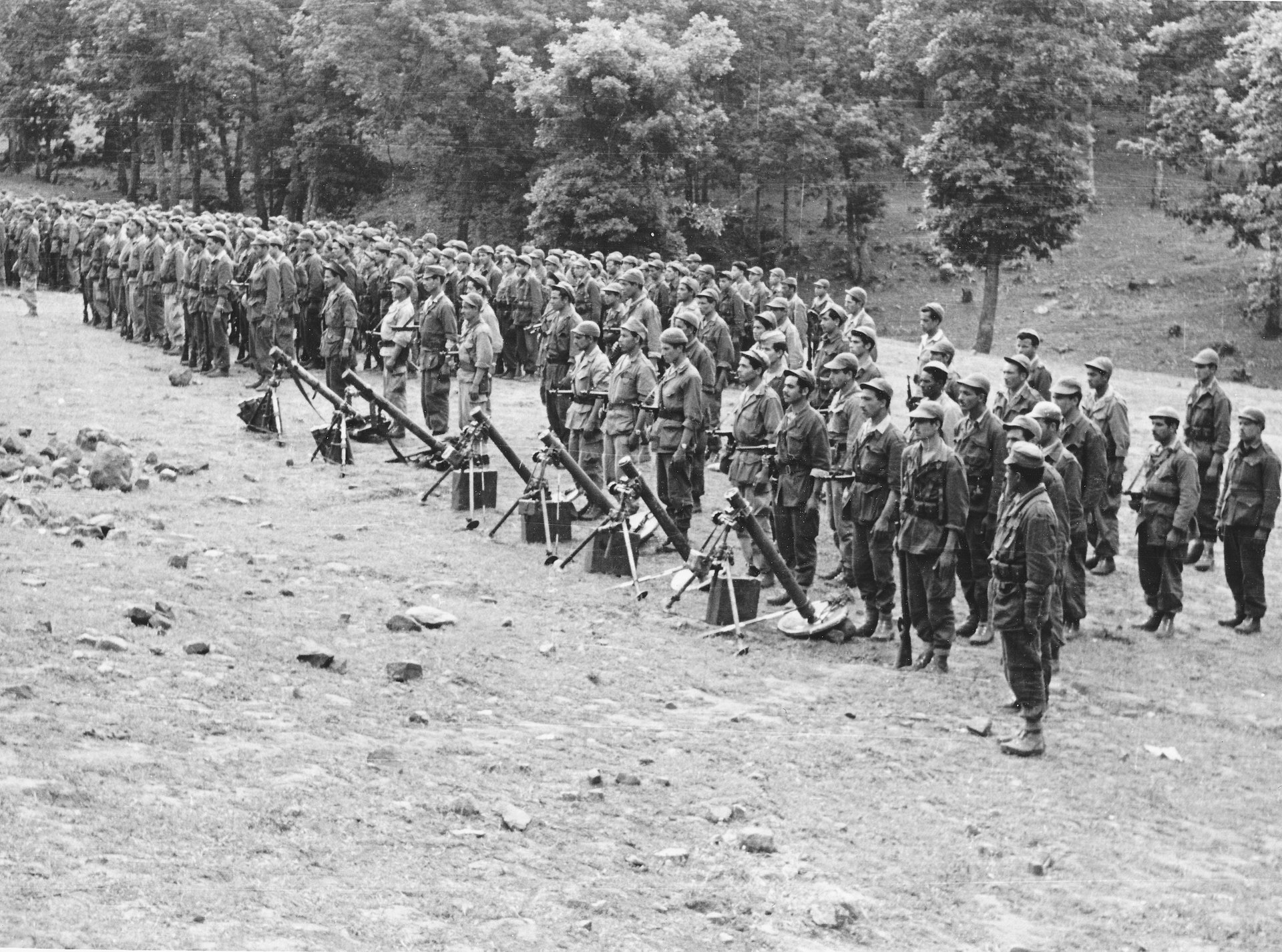
On 1 November 1954, a series of coordinated attacks across Algeria announced the birth of a new organisation and the start of a conflict that would, over the next seven and a half years, kill somewhere between three hundred thousand and a million people — the uncertainty in that figure is itself historically significant — and fundamentally transform both Algeria and France.
-

In the spring of 1939, the Radio Corporation of America unveiled a remarkable device at the New York World’s Fair. David Sarnoff, RCA’s imperious president, declared television the newest wonder of a wonder-making age. Families queued to peer into a cathode-ray screen where blurry figures moved against grey backgrounds, and the moment was recorded for posterity as the birth of an industry.
-

The Europe that emerged from the Second World War in 1945 was a continent of ruins — physical, moral, and institutional. How artists and filmmakers responded to that destruction, what they chose to show and what they could not bring themselves to face, tells us as much about the possibilities and limits of cultural reconstruction as any political history of the period.
-

On the morning of 5 August 1914, British cable ships moved to sever Germany’s undersea telegraph cables — among the first acts of the war and, in retrospect, one of the most consequential. It was the opening move in a new kind of conflict: one in which the control of information was not peripheral to strategy but central to it, and in which governments would learn, permanently, to treat the beliefs of their own citizens as a resource to be managed.
-
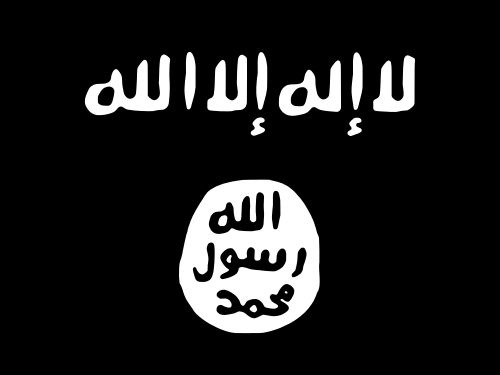
The Islamic State did not emerge from nothing. It emerged from a specific history: from the Al-Qaeda franchise established by Abu Musab al-Zarqawi in Iraq after the American invasion of 2003, from the Sunni insurgency against the US occupation, from the sectarian civil war that followed, from the Iraqi prisons — particularly Camp Bucca — where former Ba’athist officers and Islamist militants shared space and forged relationships, and from the collapse of institutional authority across large areas of Iraq and Syria that created the vacuum into which a ruthlessly organised, apocalyptically motivated organisation could move.
-
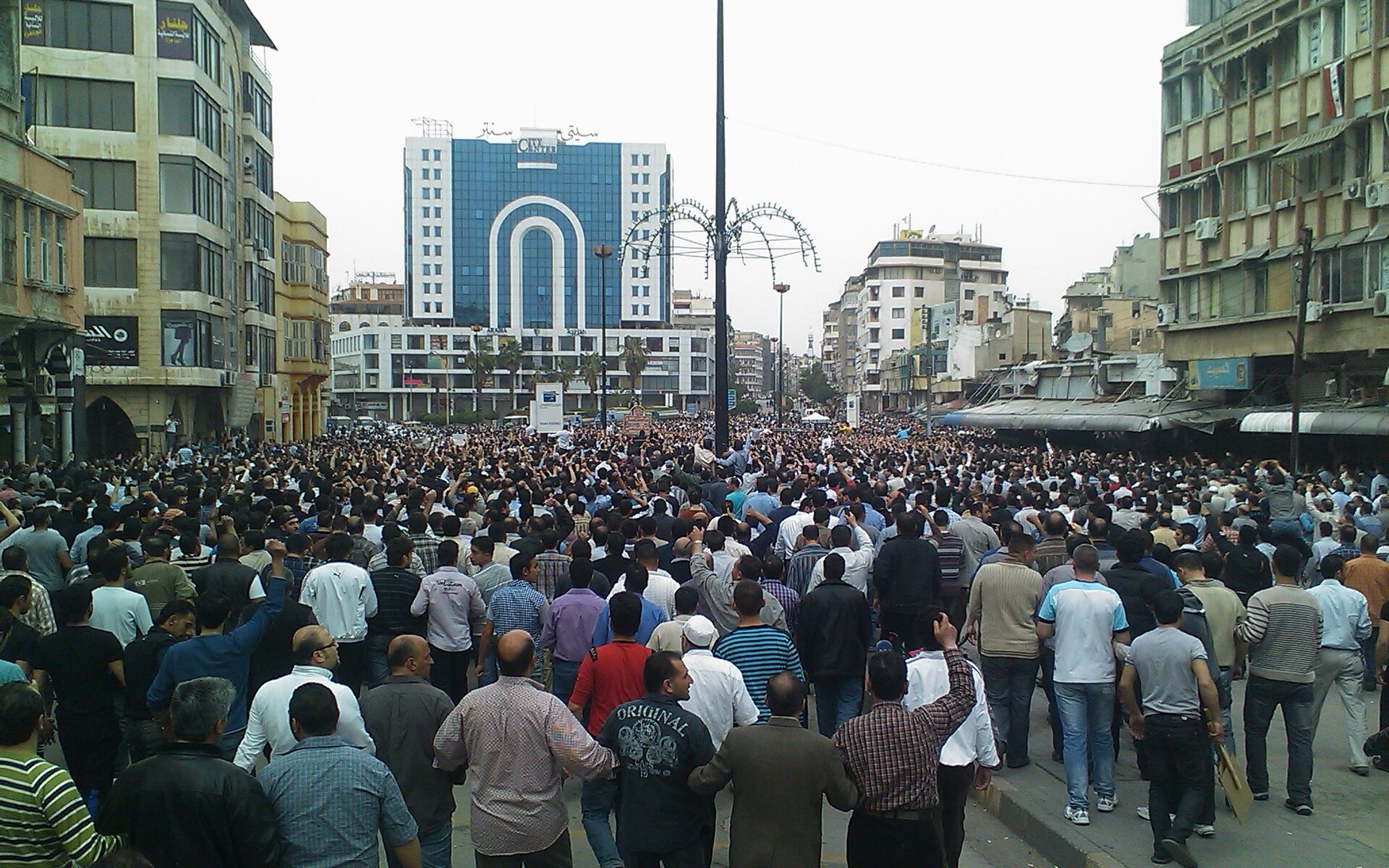
The Syrian uprising that began in Deraa in March 2011 was, in its initial phase, a remarkably diverse and predominantly peaceful movement. The protests that spread from the south to Homs, Hama, Latakia, the suburbs of Damascus, and eventually to Aleppo were not organised by a single political party or ideological movement. They were local, spontaneous, and driven by grievances that were simultaneously economic (unemployment, crony capitalism, rural poverty), political (emergency law, mukhabarat brutality, one-party dictatorship), and profoundly personal — the humiliation of everyday life under a security state that treated citizens as subjects to be managed rather than persons…
-

Bashar al-Assad became president of Syria in July 2000 at the age of thirty-four, inheriting a state built around his father’s personality, sustained by institutions his father had designed, and facing pressures his father had deferred rather than resolved.
-
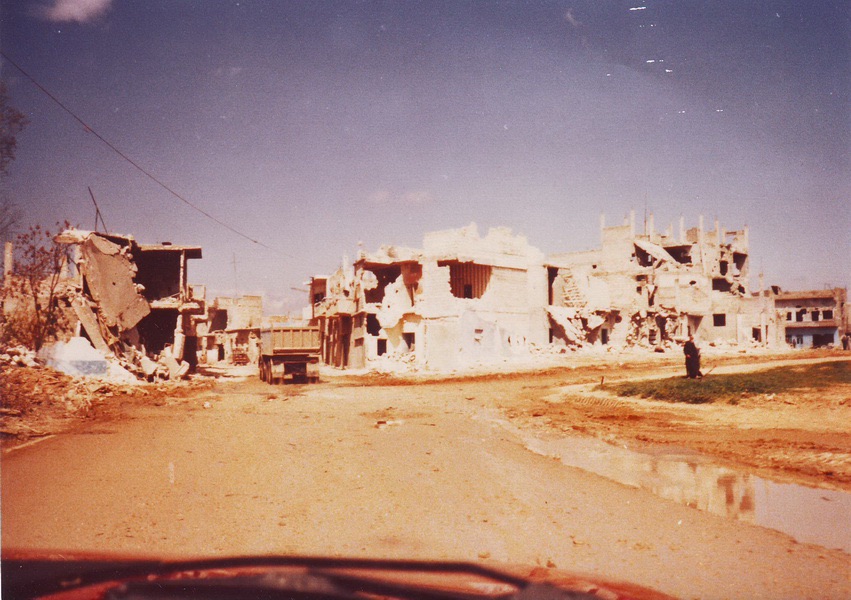
In the first days of February 1982, Syrian army units and security forces surrounded the ancient city of Hama on the Orontes river in central Syria. What followed over the next three weeks was one of the most savage acts of political violence carried out by any Arab government against its own population in the twentieth century — a military assault on an urban centre that killed between ten and forty thousand people, destroyed whole districts of a city that had been continuously inhabited for eight thousand years, and established, beyond any further argument, what the rules of political life…