-
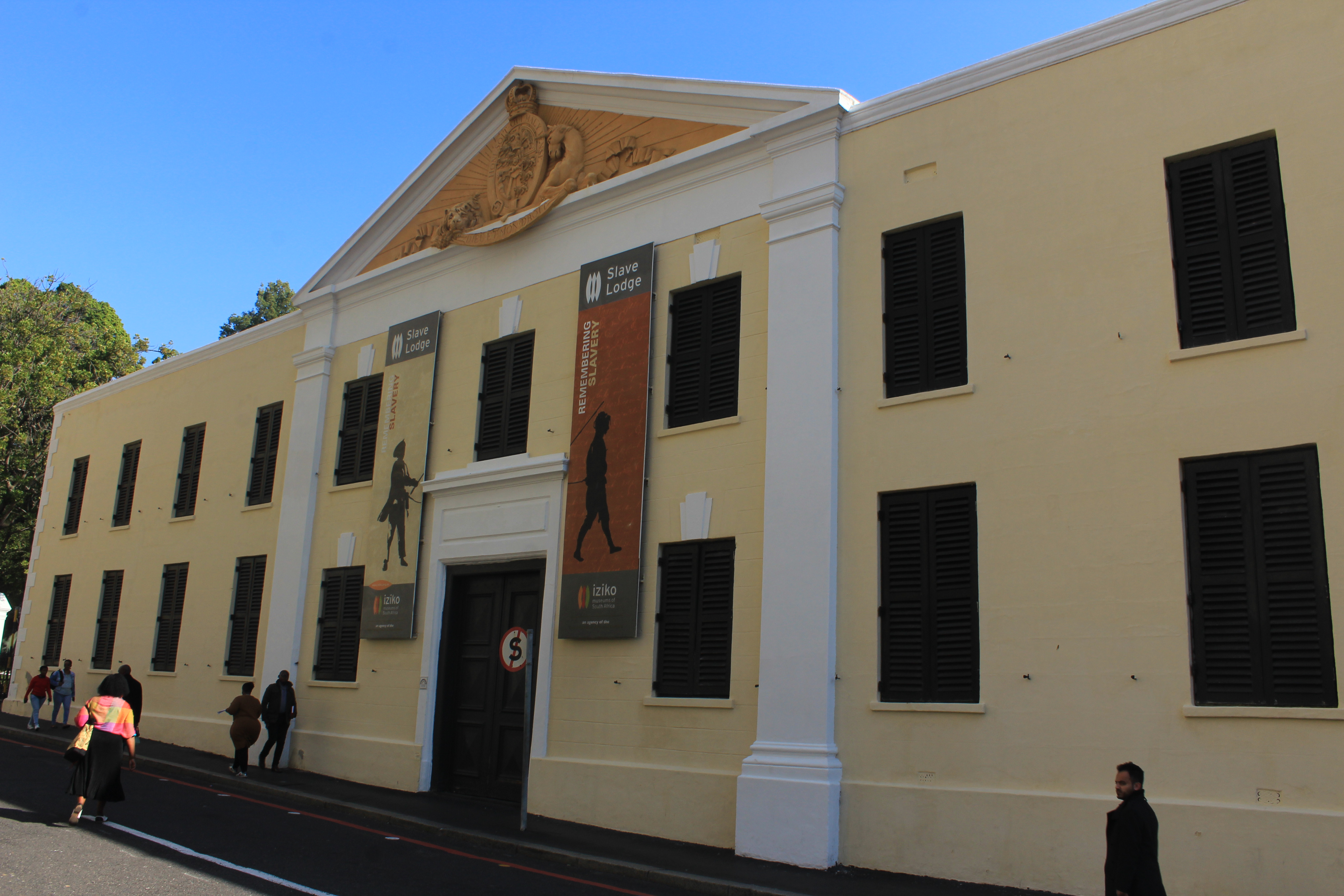
Beyond the Act: What Did Emancipation Really Mean? We tend to think of historical moments like the abolition of slavery as a clean break—a line in the sand. But what if the day you were declared “free,” nothing actually changed? In the latest episode of the Explaining History Podcast, I sat down with novelist Karen Jennings to discuss her new book, The First of December. The title refers to the 1st of December 1838, the day of full emancipation for slaves in South Africa. Why the delay? Because the British government, in its wisdom, had decreed a four-year period of “apprenticeship” for the…
-

In this episode, we explore the creation of the Central African Federation (1953–1963), Britain’s attempt to bind together Southern Rhodesia, Northern Rhodesia, and Nyasaland into one semi-autonomous bloc. The federation was sold as a bold experiment in multiracial partnership and economic modernization, but in reality it served white settler interests while tightening imperial control.Drawing on Martin Thomas’s Fight or Flight, we examine why London pursued this policy at a time when decoloniza
-
Peter Hain was, along with his family, forced to flee South Africa in the late 1960s, at the height of the Apartheid regime’s war against its opponents. From exile in London Peter was a pivotal member of the anti Apartheid movement in the 60s, 70s and 80s. In this interview before the publication of his third novel, the Lion Conspiracy, we talk about conservation and the international corruption that fuels poaching across Africa, and the valiant attempts by African rangers to preserve wildlife.
-
This episode takes our listeners on a remarkable journey into the tumultuous period of the 1970s in Rhodesia/Zimbabwe, as seen through the lens of James McManus, the former Africa correspondent for The Guardian. McManus was not just a journalist chronicling events from the periphery; he was in the thick of it, engaging with pivotal figures who would shape the course of the nation’s history.In an era marked by political upheaval, civil strife, and a tug-of-war for power, McManus met the staunchly
-
During the 1950s, as Britain attempted to hold on to its African colonies, it had to deal with the ambitions of white colonial settlers for domination of the black population on a more explicitly racist model of government, exemplified by apartheid South Africa and the growing force of black nationalism. The British attempted to foster ‘moderate’ African leaders who might be compliant in a new state, the Central African Federation, which incorporated North and South Rhodesia and Nyasaland. Outma