
Beyond the Act: What Did Emancipation Really Mean?
We tend to think of historical moments like the abolition of slavery as a clean break—a line in the sand. But what if the day you were declared “free,” nothing actually changed?
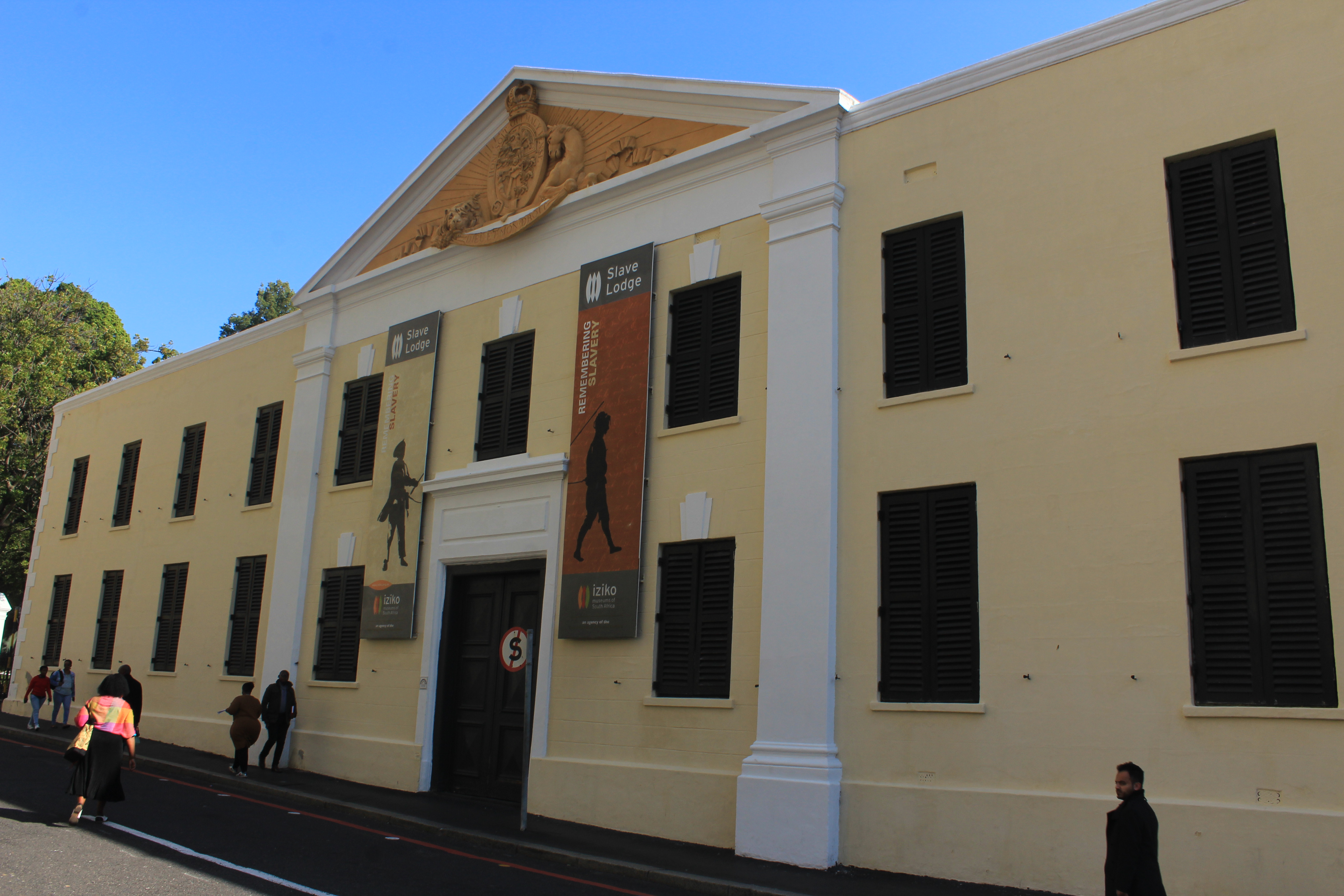
In the latest episode of the Explaining History Podcast, I sat down with novelist Karen Jennings to discuss her new book, The First of December. The title refers to the 1st of December 1838, the day of full emancipation for slaves in South Africa. Why the delay? Because the British government, in its wisdom, had decreed a four-year period of “apprenticeship” for the formerly enslaved—a system that looked and felt an awful lot like slavery.
Jennings, a former Booker longlist nominee, brings this overlooked history to life. We discuss the unique nature of slavery at the Cape of Good Hope, where most slaves came not from Africa, but from the Dutch East Indies. We explore how the compensation for abolition went not to the enslaved, but to their owners, who used the money to build the very slums that would house the newly “freed.”
This conversation is a vital reminder that history isn’t a straight line to progress. The echoes of 1838—economic exploitation, systemic racism, and the struggle for true equality—are still being felt in South Africa and across the world today.
Tune in for a powerful discussion on history, fiction, and the long arc of justice.
Photo Credit: Sami Mlouhi

Leave a Reply