-
In the center of Beijing, overlooking the vast expanse of Tiananmen Square, hangs a portrait of Mao Zedong. It is 4.5 by 6 meters, weighs 1.5 tons, and is replaced every year before National Day. Rumors persist that the portrait shrinks slightly with each iteration—a subtle, almost magical shrinking of the Great Helmsman’s influence. But as Tania Branigan notes in her book Red Memory, the image remains colossal, its gaze inescapable. In this week’s podcast, I explored the politics of memory in modern China. Tiananmen Square is not just a physical space; it is a palimpsest of Chinese history. It…
-

As a tumultuous 2025 draws to a close, a quiet but seismic shift in the global order has become undeniable: the United States, after a years-long struggle, is losing the technology war with China. This is not the result of a single policy failure or presidential misstep, but the culmination of a half-century divergence in economic philosophy. While the West pursued a neoliberal doctrine that hollowed out its industrial base, China cultivated a potent form of state-directed capitalism designed for long-term strategic competition. The consequences of these divergent paths are now coming to a head, marking a pivotal moment that…
-

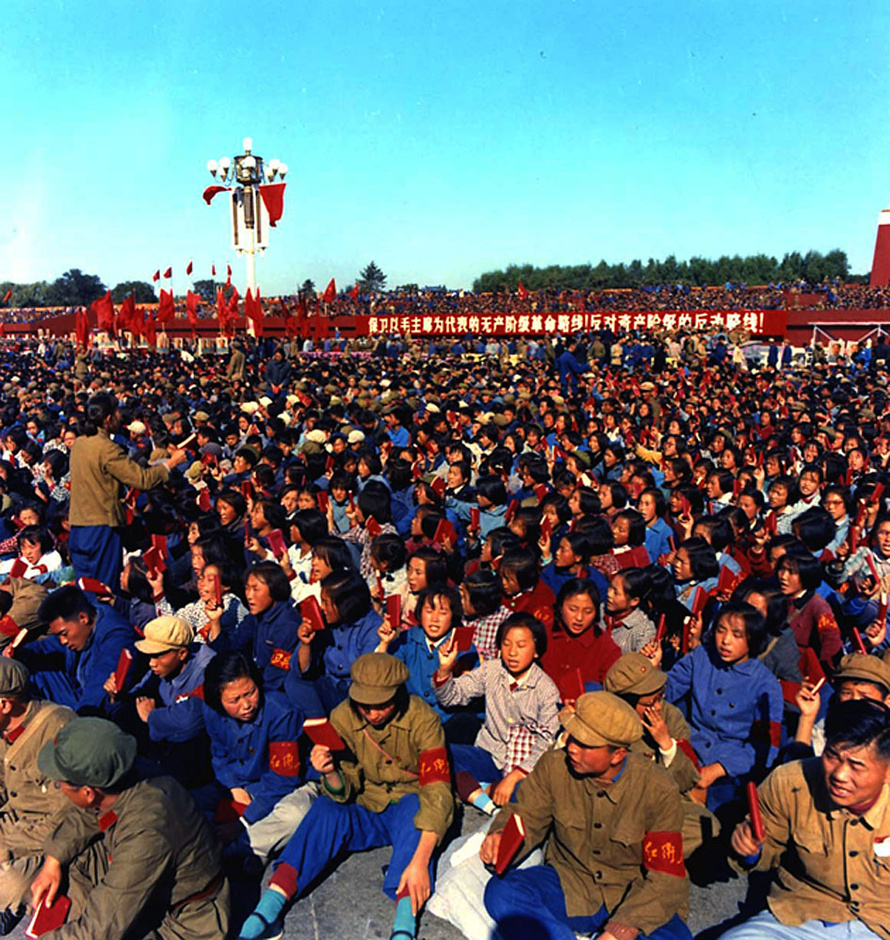
How a political struggle became a project to remake the self — and why remembering it matters. Why the Cultural Revolution still speaks to us Between 1966 and 1976, China experienced a convulsion that reached into schools, homes, factories, and villages. Labeled the Cultural Revolution, it was framed as a campaign to purify the revolution by smashing “old ideas, old culture, old customs, and old habits.” In practice, it yoked high-level political struggles to mass mobilization and intimate coercion. People were not merely governed; they were enlisted to transform themselves and to police one another. That double move — political…
-
A New Defense Strategy Signals the End of Containment and the Dawn of a Chinese Century From the Explaining History Podcast This article is a detailed companion piece to our recent podcast episode analyzing the seismic shifts in US-China strategy. It expands on the key themes and historical forces discussed in the show. You can listen to the full episode here to dive deeper into the discussion: Listen on Spotify | Listen on Apple Podcasts | Listen on our Website A tectonic shift is occurring in global geopolitics, one that signals the end of an era. For decades, American foreign policy in Asia has…