-

Whilst Leningrad’s citizens starved, Soviet party bosses enjoyed food, warmth and comfort. Laying siege to the city, the demoralised and ever more brutal German Army started to see by the spring of 1942 the impossibility of Hitler’s dreams in Russia.If you’re able to support the Explaining History Podcast, you can fund it through Patreon here: https://www.patreon.com/user?u=763386 Explaining History helps you understand the 20th Century through critical conversations and expert interviews. We co
-
The journey made by Vladimir Lenin in 1917 from Zurich to Petrograd was part of a German strategy to undermine its enemies from within. Previous attempts at subversion in the British Empire, specifically in Ireland had failed, and there was no way of knowing if Lenin would succeed. Creating chaos in Russia was as much as Germany could realistically hope for, but Russia’s withdrawal from the war was the ultimate result.Explaining History is funded through advertising and donations. For more conte
-
While the German Army prepared to seize Moscow, the longest siege of the war began at Leningrad on the Gulf of Finland. It would result in the deaths of over a million citizens and see the city completely cut off from Stalin’s control for much of the war. Explaining History helps you understand the 20th Century through critical conversations and expert interviews. We connect the past to the present. If you enjoy the show, please subscribe and share.▸ Support the Show & Get Exclusive ContentBecom
-
After a summer and autumn of devastating defeats at the hands of the Wehrmacht, the Red Army was finally able to inflict a major setback on Hitler’s forces just nine miles from Moscow itself. A combination of the Russian winter, Germany’s poor preparations and hardened Siberian divisions saw the first major German retreat of the war in December 1941.Explaining History is funded through advertising and donations. For more content, journalism and ideas, visit the Explaining History Patreon page he
-
As Lloyd George’s political career ebbed away and he became increasingly marginalised in British politics, his sympathies for Germany and his positive view of Hitler led him to visit the Nazi dictator in September 1936.Explaining History is funded through advertising and donations. For more content, journalism and ideas, visit the Explaining History Patreon page here: https://www.patreon.com/user?u=763386 Explaining History helps you understand the 20th Century through critical conversations and
-
Despite Germany’s spectacular advances and the devastating defeats inflicted on the Red Army, Hitler failed to capture Moscow. In late October 1941 the first snows fell, his dreams of a final victory over the USSR disappeared.Explaining History is funded through advertising and donations. For more content, journalism and ideas, visit the Explaining History Patreon page here: https://www.patreon.com/user?u=763386 Explaining History helps you understand the 20th Century through critical conversati
-
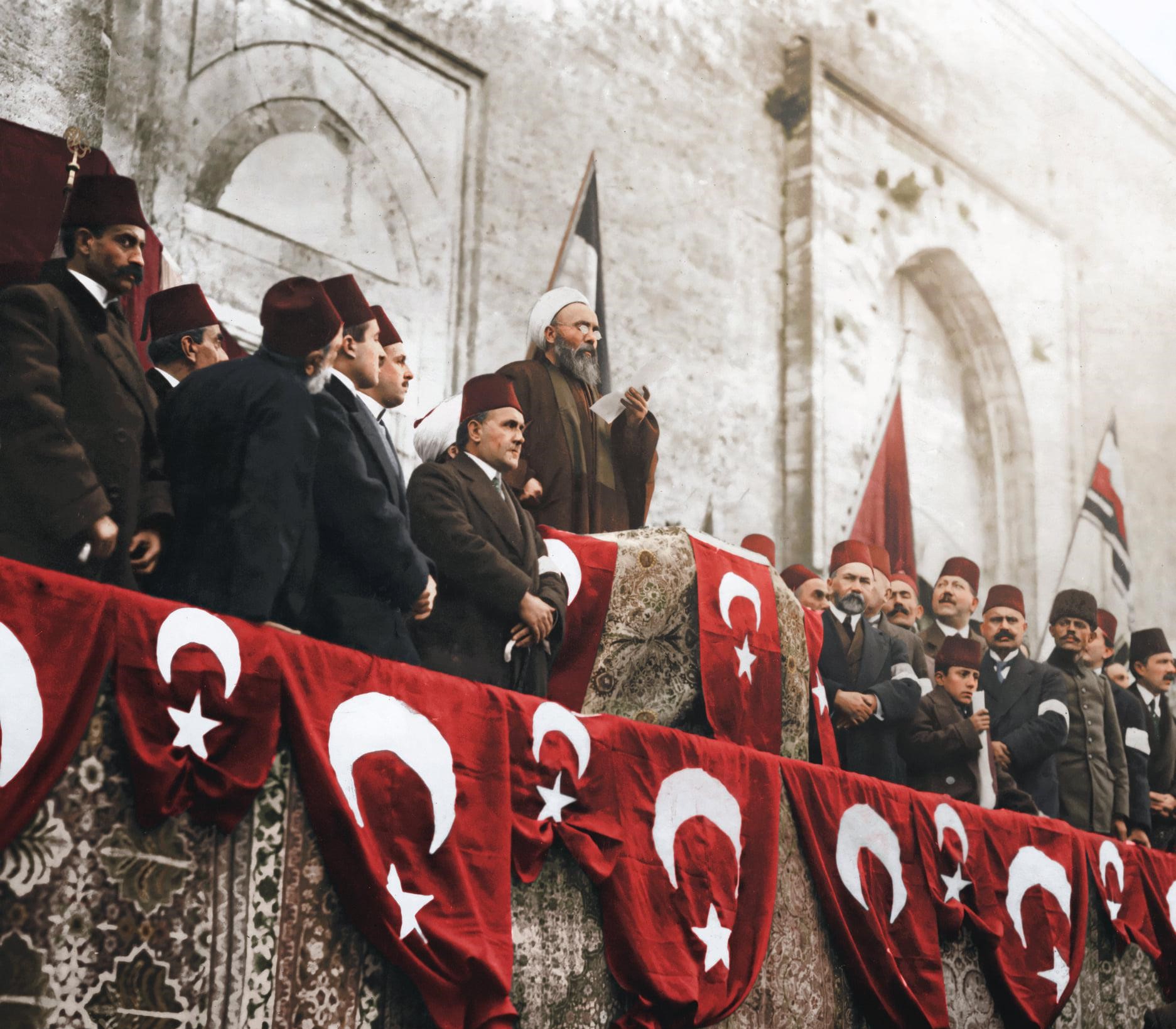
In July 1914 as the final desperate negotiations to avoid war failed, the Ottoman Empire engaged in secret diplomacy with both Germany and Russia to gain as much from the forthcoming conflict as possible. However it was the arrival of a German dreadnought in Constantinople that tied Turkey to the Central Powers.For more content, journalism and ideas, visit the Explaining History Patreon page here: https://www.patreon.com/user?u=763386 Explaining History helps you understand the 20th Century thro
-
The devastation of Germany and Eastern Europe by Hitler created the perfect environment for Soviet rule. Shattered, bewildered and destitute populations had little choice but to accept the domination of the Red Army.If you enjoyed today’s podcast and would like to join in the debate or learn more, visit us on the Explaining History Podcast Facebook group here: https://www.facebook.com/groups/148115359176123/ Explaining History helps you understand the 20th Century through critical conversations
-
Francoist Spain avoided direct conflict with Britain and America, but waged war against the USSR. By 1943 the tide of war had turned against Nazi Germany and Fascist Italy, but Franco’s survival instincts enabled his regime to endure long into the post war era. Explaining History helps you understand the 20th Century through critical conversations and expert interviews. We connect the past to the present. If you enjoy the show, please subscribe and share.▸ Support the Show & Get Exclusive Conten
-
In 1933 Hitler appointed Hjalmar Schacht as the president of the Reichsbank. Hitler had little understanding about economics and relied on the financial engineering of his new chief banker. However, the problems of the German economy persisted even through the period of rearmament.If you enjoyed today’s podcast and would like to join in the debate or learn more, visit us on the Explaining History Podcast Facebook group here. Explaining History helps you understand the 20th Century through critic