-

Introduction Conventional histories of the First Indochina War often emphasize military campaigns, battlefield tactics, and great power involvement while neglecting the crucial political dimension that ultimately determined the conflict’s outcome. This article argues that the struggle for political legitimacy and popular support constituted what might be termed “the other war”—a parallel contest that proved equally important to military operations in deciding Vietnam’s future. While French Union forces frequently prevailed in conventional engagements, they consistently lost the political struggle for Vietnamese allegiance, ensuring that military victories remained ephemeral and ultimately meaningless. The political dimension of revolutionary warfare encompasses what contemporary analysts…
-
Date: September 17, 2025 Author: The Explaining History Podcast Table of Contents Introduction: A Treatise for Our Times In the final years of his life, the esteemed historian Tony Judt penned a powerful and moving lament. His book, Ill Fares the Land, is more than a historical analysis; it is a poignant treatise on the perceived death of social democracy and the subsequent ruination wrought by neoliberalism. Judt writes not as a detached academic, but as a concerned citizen mourning the loss of a collective ideal—the post-war consensus that sought to build a more equitable society through state intervention and…
-
Introduction The persistent historical debate framing Ho Chi Minh as either nationalist or communist represents a fundamental category error that obscures his true significance as an original political thinker who transcended such dichotomies. This reductive framing, born of Cold War intellectual paradigms, fails to apprehend the sophisticated theoretical synthesis Ho achieved through decades of intellectual development across multiple continents and political traditions. Rather than vacillating between nationalism and communism or instrumentally deploying one in service of the other, Ho developed what we might term revolutionary syncretism—a coherent political philosophy that integrated elements of Vietnamese political tradition, Enlightenment thought, Marxist theory,…
-
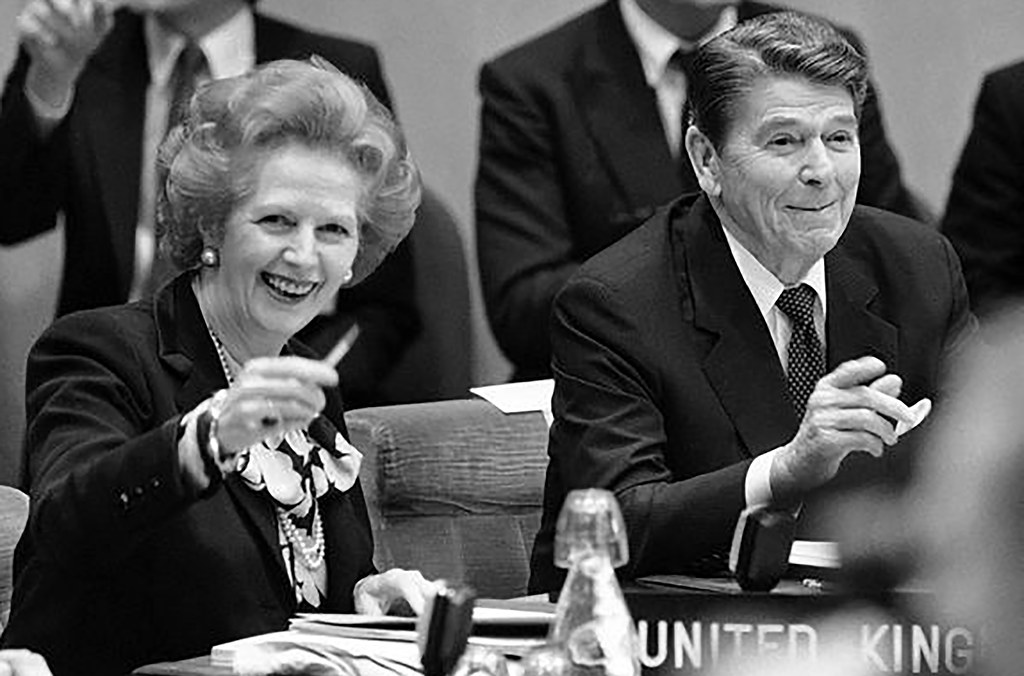
From the 1970s onwards, a wave of free-market ideology reshaped economies, governments, and societies around the world. Known as neoliberalism, this framework prioritized deregulation, privatization, austerity, and the retreat of the welfare state. This guide brings together a series of essays exploring how neoliberalism emerged, how it shaped the modern world, and why it is increasingly challenged today. From Thatcher and Reagan to the IMF and populist backlash, this collection examines both the rise and the unraveling of neoliberal orthodoxy. Origins and Global Adoption What Is Neoliberalism? A Primer on Market Rule Neoliberalism is a political and economic ideology that…