-

The collapse of the world economy in the early 1930s was deeply intertwined with the monetary system of the time: the gold standard. In the interwar period, most major currencies were tied to gold at fixed rates. This system, meant to provide stability, ultimately acted as “golden fetters” (to use economist Barry Eichengreen’s phrase) that constrained policymakers and transmitted economic distress globally . In this article, we explore how the gold standard operated in the 1920s, how it contributed to the onset and deepening of the Great Depression, why countries clung to it even as economies collapsed, and how abandoning…
-
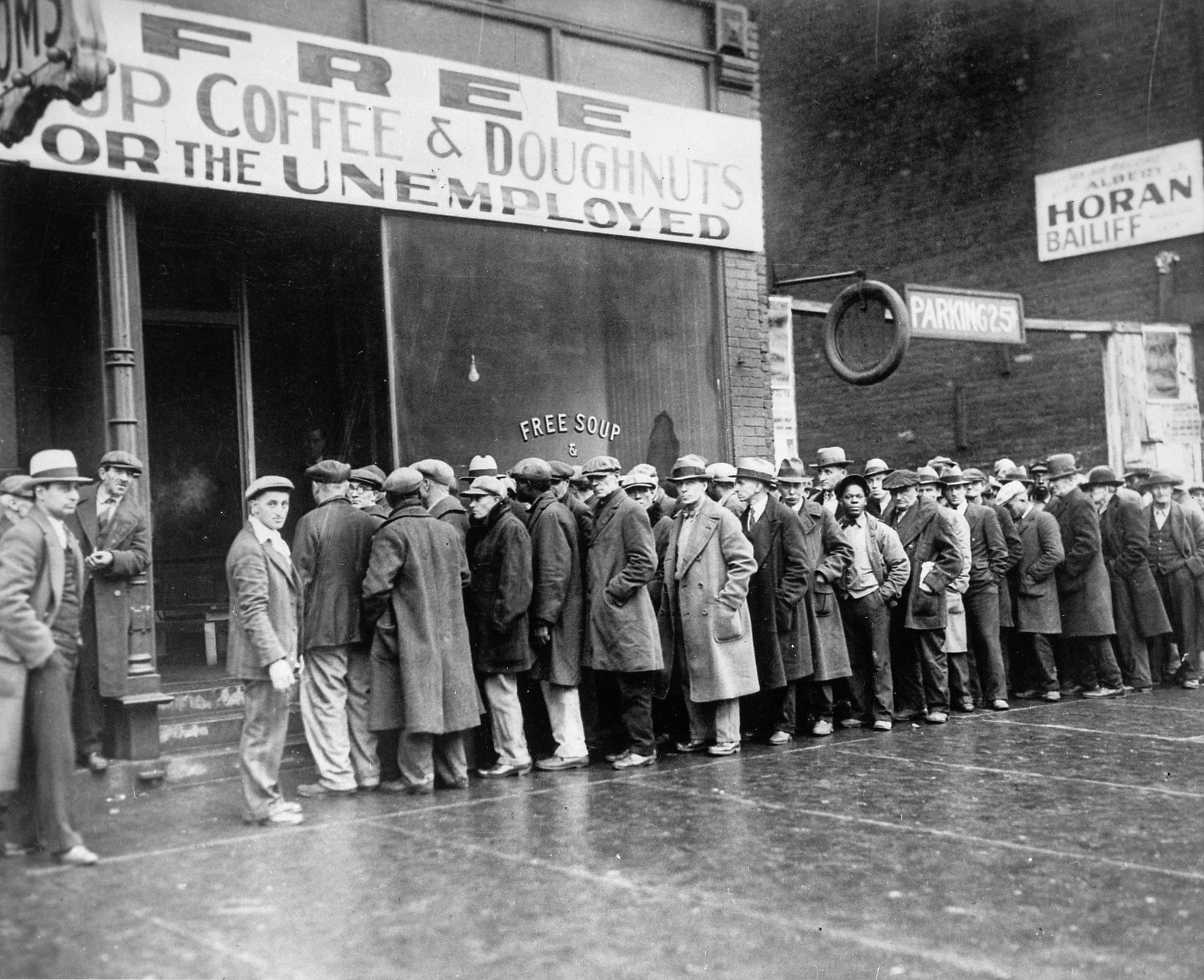
Introduction The Great Depression was the most severe and prolonged economic crisis of the 20th century, lasting from 1929 through the late 1930s. It originated in the United States but quickly spread worldwide, leading to collapsing industrial output, mass unemployment, and social misery on an unprecedented scale . In the U.S., industrial production fell by over one-third and unemployment reached around 25% at its peak . Globally, no region was spared: what began as an American downturn soon “engulfed virtually every manufacturing country and all food and raw materials producers” as John Maynard Keynes observed in 1931 . Understanding why…