-

By the late summer of 1944, World War II’s momentum had decisively shifted in favor of the Allies. In Europe, Allied armies had landed in Normandy, liberated Paris, and were pressing toward Germany’s borders, while Soviet forces swept westward across Eastern Europe . The “halcyon days” of mid-1944, as historian Michael Howard called them, saw the looming defeat of Nazi Germany and Imperial Japan, prompting Allied leaders to turn their focus from winning the war to securing the peace . Amid the optimism, serious questions arose: How would a shattered world be rebuilt, and what kind of international order could…
-
The Great Depression (1929–39) affected nations differently. By 1933, industrial output had plunged 30–50% in many countries, and unemployment soared into double-digits (Romer 2003). Yet the timing and strength of recovery varied dramatically. For example, Sweden and the United Kingdom were largely back to or above 1929 output levels by the mid‑1930s, whereas the United States and France lagged, and Germany’s rebound was tied to its rearmament policies. This article examines case studies of the United States, the United Kingdom, Germany, France, and Sweden, analyzing how policy choices – abandoning the gold standard, fiscal and monetary stimulus, and political upheavals…
-
Introduction The Great Depression of the 1930s was an economic cataclysm that struck virtually every industrialized nation. At its core was an unprecedented surge in unemployment, which not only devastated livelihoods but also shook the political and social foundations of countries around the world. This article provides a comparative analysis of unemployment during the Depression in the United States, United Kingdom, and Germany – three nations with vastly different experiences and responses. We will outline the scale and trajectory of joblessness from the 1929 crash through the mid-1930s, examine the social consequences (poverty, homelessness, migration, discontent) wrought by mass unemployment,…
-
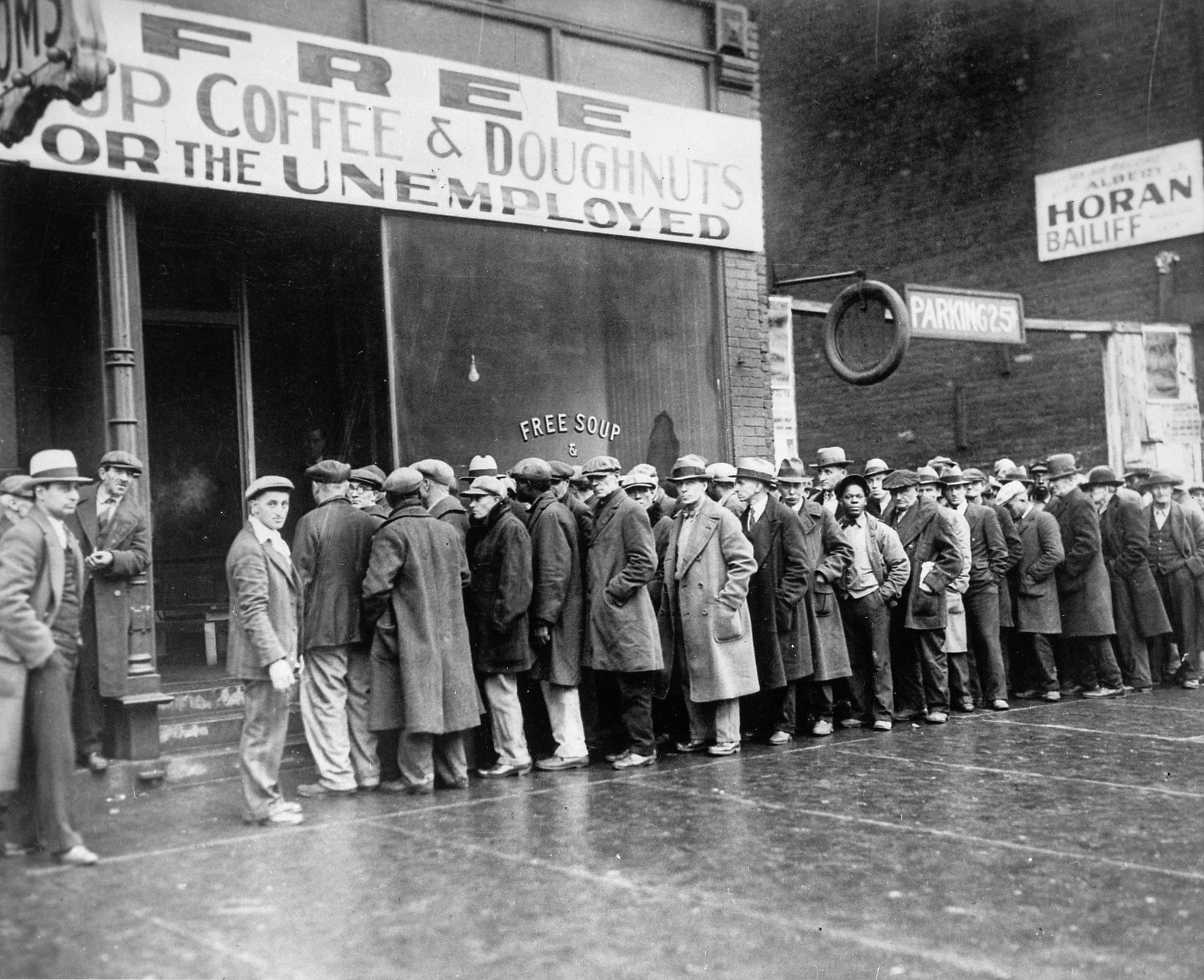
Introduction The Great Depression was the most severe and prolonged economic crisis of the 20th century, lasting from 1929 through the late 1930s. It originated in the United States but quickly spread worldwide, leading to collapsing industrial output, mass unemployment, and social misery on an unprecedented scale . In the U.S., industrial production fell by over one-third and unemployment reached around 25% at its peak . Globally, no region was spared: what began as an American downturn soon “engulfed virtually every manufacturing country and all food and raw materials producers” as John Maynard Keynes observed in 1931 . Understanding why…
-
An Advanced Historiographical Guide I. Introduction: The Enduring Thesis “This is not peace. It is an armistice for twenty years.”– Marshal Ferdinand Foch (1919) The Treaty of Versailles (1919) remains inextricably linked to the rise of Adolf Hitler in popular memory. This association stems from: Core Debate: Was Versailles a sufficient cause for Nazi triumph, or one factor within a broader crisis? II. The Orthodox View: Versailles as Genesis of Catastrophe Key Scholars: John Maynard Keynes (1919), William L. Shirer (1960), Anthony Lentin (1984)Arguments: III. Revisionist Rebuttal: Deconstructing the Myth Key Scholars: Sally Marks (1976), Gerhard Weinberg (1970), Stephen Schuker…
-
In the summer of 1942, the German Wehrmacht launched Case Blue, an massive military offensive aimed at gaining control over the resource-rich Caucasus and the strategic city of Stalingrad. The intention was twofold – to tap into the wealth of oil supplies that would fuel their military efforts and simultaneously cripple the Soviet Union’s capacity to fight back. However, achieving victory in the Caucasus proved to be a Herculean task. The German forces found themselves battling not just the determined Red Army but also a host of logistical issues. The harsh climate and rugged terrain of the Caucasus demanded a…
-
This article follows on from Nazi Economic Policy and Rearmament 1933-39 Introduction From the moment Hitler assumed power in 1933, the Nazi regime set about reshaping German society to align with its racial and ideological goals. Central to this project was the concept of the Volksgemeinschaft—a racially pure “people’s community” that demanded both unity and exclusion. Social policies between 1933 and 1939 were aimed at creating a cohesive, obedient national body that could serve the twin ambitions of internal purification and external expansion. These policies touched every aspect of German life, from education and labour to family, leisure, and race.…
-
For students beginning their exploration of Nazi Germany, it is essential to understand the significance of economic history, as it provides valuable insights into the inner workings and motivations of the regime. The period between 1934 and 1939 saw a dramatic transformation of the German economy under the Nazi Party, with a focus on rearmament and self-sufficiency. A thorough examination of Nazi economic policies and their outcomes sheds light on how the regime sought to consolidate power, address domestic issues, and prepare the nation for war. This article offers an introductory overview of the key events and developments of this…
-
For first-time students of Nazi Germany, it is crucial to understand the process through which Adolf Hitler and the Nazi Party consolidated power and established the Third Reich. This period, spanning from 1933 to 1934, witnessed a series of legal, political, and social measures that transformed Germany from a struggling democracy to a totalitarian dictatorship. This article provides an overview of the key events and developments during this critical phase in German history. This article follows on from The Rise of Adolf Hitler and the Nazi Party (1918-1933) In February 1933, a fire destroyed the Reichstag building, home to the German…
-
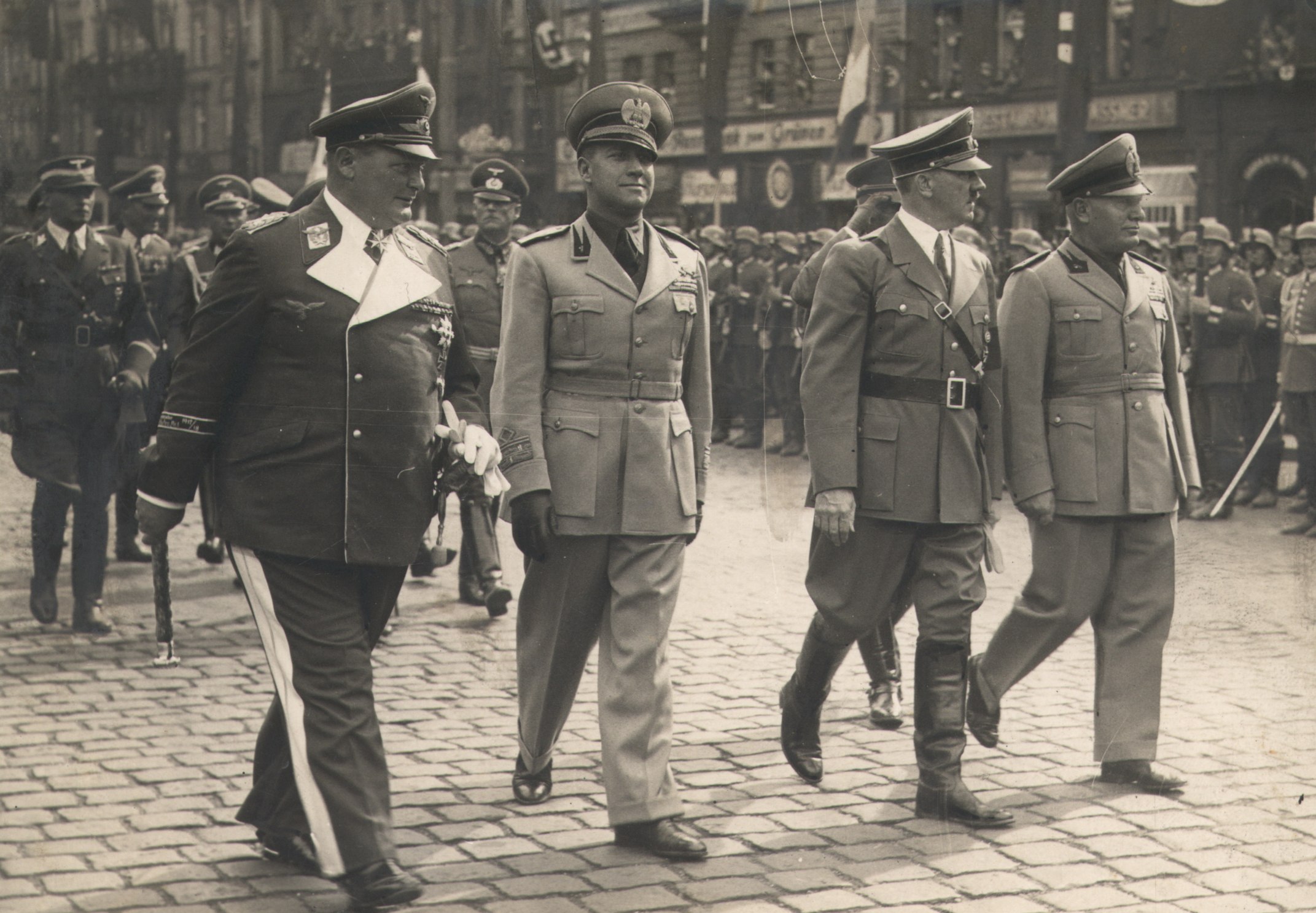
A Primer for First-Time Students of Nazi Germany It is essential for first-time students of Nazi Germany to understand that this article serves as a basic overview of the rise of Adolf Hitler and the Nazi Party between 1918 and 1933. The aim is to introduce the key events and transitions that the Nazi movement underwent during this crucial period. However, the complexities and nuances of this historical period extend far beyond the scope of this article. As you delve deeper into your studies, you will encounter a wealth of information on the political, social, and economic contexts that shaped…