-
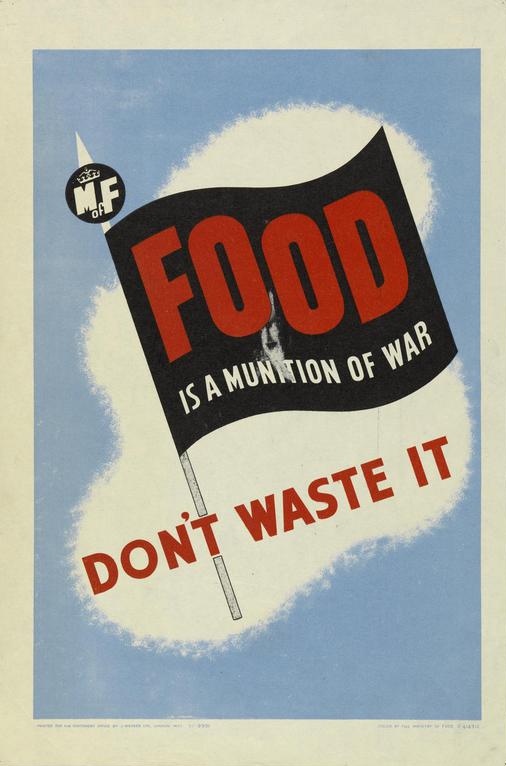
When the First World War began in 1914, nations discovered that modern war required more than guns and factories. It needed imagination. The conflict would be fought not only on the battlefield but in newspapers, cinemas, schools, and living rooms. For the first time, governments set out to manage what people felt. Posters, songs, films, and radio broadcasts became weapons in a struggle for morale. The same technologies that had been used to sell soap and cigarettes were now used to sell sacrifice and endurance. The twentieth century’s wars were also wars of culture — battles to control the stories…
-

At the dawn of the twentieth century, a new kind of journalism was born—one less interested in Parliament or policy than in people. Its headlines shouted rather than spoke, its photographs peered rather than illustrated, and its purpose was not to inform so much as to fascinate. The tabloid press changed the relationship between the public and the private. It invited readers to look inside other people’s lives and, in doing so, helped create one of the defining features of modern society: celebrity. This is the story of how gossip became news, how fame became a profession, and how mass…