-
In the center of Beijing, overlooking the vast expanse of Tiananmen Square, hangs a portrait of Mao Zedong. It is 4.5 by 6 meters, weighs 1.5 tons, and is replaced every year before National Day. Rumors persist that the portrait shrinks slightly with each iteration—a subtle, almost magical shrinking of the Great Helmsman’s influence. But as Tania Branigan notes in her book Red Memory, the image remains colossal, its gaze inescapable. In this week’s podcast, I explored the politics of memory in modern China. Tiananmen Square is not just a physical space; it is a palimpsest of Chinese history. It…
-

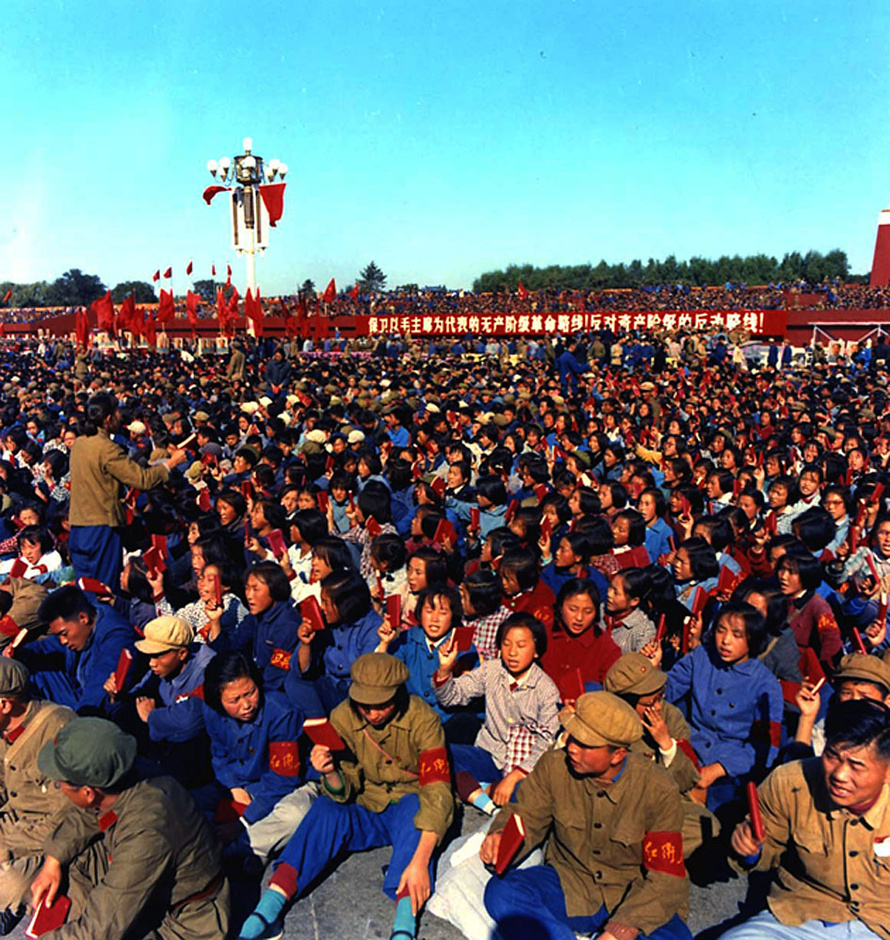
How a political struggle became a project to remake the self — and why remembering it matters. Why the Cultural Revolution still speaks to us Between 1966 and 1976, China experienced a convulsion that reached into schools, homes, factories, and villages. Labeled the Cultural Revolution, it was framed as a campaign to purify the revolution by smashing “old ideas, old culture, old customs, and old habits.” In practice, it yoked high-level political struggles to mass mobilization and intimate coercion. People were not merely governed; they were enlisted to transform themselves and to police one another. That double move — political…