-

Partition-era India saw an explosion of partisan newspapers and intense censorship as the colonial state and emerging political parties battled for hearts and minds. In the decade before 1947, daily dailies and journals in English, Urdu, Hindi and other languages became key platforms to define us vs them. Nationalist leaders like Gandhi, Nehru and Jinnah each nurtured their own press organs (for example Nehru’s National Herald launched in 1938 ), while communal organizations and the British colonial government used print to sway opinion. The resulting media environment was starkly polarized. The British press (including papers like The Times of India…
-
British colonial rule in India is often blamed for “divide and rule” tactics that hardened religious identities and set Hindus and Muslims at odds. Indeed, some commentators argue that “the creation and perpetuation of Hindu-Muslim antagonism was the most significant accomplishment of British imperial policy”. To assess this claim, it is important to examine concrete policies and practices of the Raj. Over the nineteenth and early twentieth centuries, British officials carried out detailed censuses, framed separate electoral systems, and codified laws along religious lines – while their schools and official narratives often treated Hindus and Muslims as distinct, opposing communities. …
-
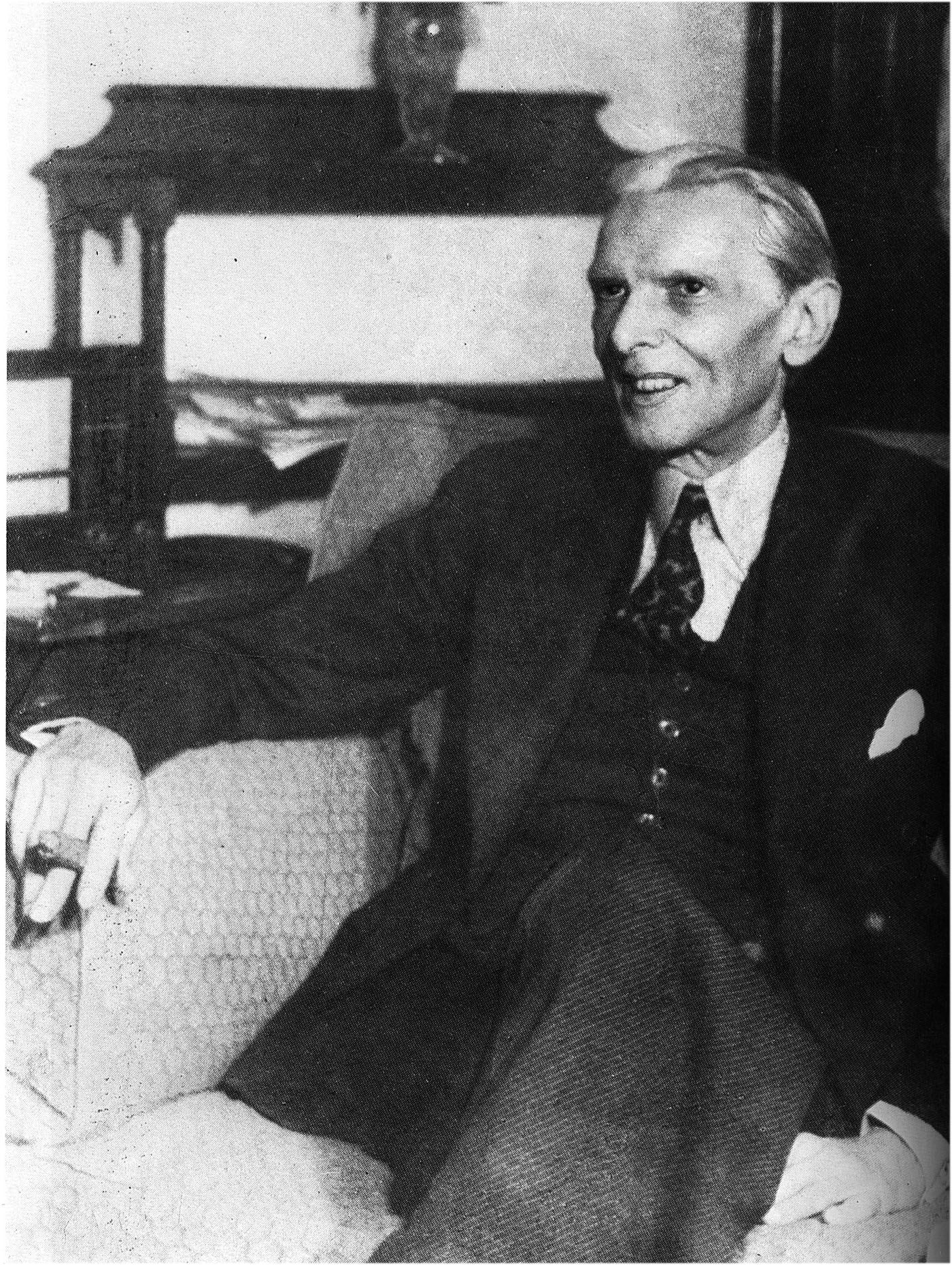
By the 1930s–40s, the All-India Muslim League (AIML) under Muhammad Ali Jinnah claimed to represent all of British India’s Muslims, even demanding a separate state (Pakistan) at its 1940 Lahore session. League leaders pointed to electoral successes – for example, winning 87% of all Muslim seats in the 1946 provincial elections – as proof that they were “the sole representative of Muslim India” . The League’s spectacular rallies (such as the August 1946 “Direct Action Day” meeting in Calcutta, shown below) underscored its mass appeal. Yet this picture was incomplete: many Muslims and Muslim organizations disagreed that the League spoke…
-
The question of whether the 1947 Partition of India was inevitable or contingent on particular choices remains hotly debated. By mid-1946 the British Empire was intent on leaving India, but could still have guided the transition. Congress leaders had overwhelmingly won the 1946 elections outside Muslim constituencies, and the Cabinet Mission to India (May 1946) had offered a federal plan to keep India united. The Muslim League, however, insisted on a separate Muslim homeland. Widespread communal violence followed, and by early 1947 both Congress and the League saw Partition as the only way forward . In the face of mounting…
-
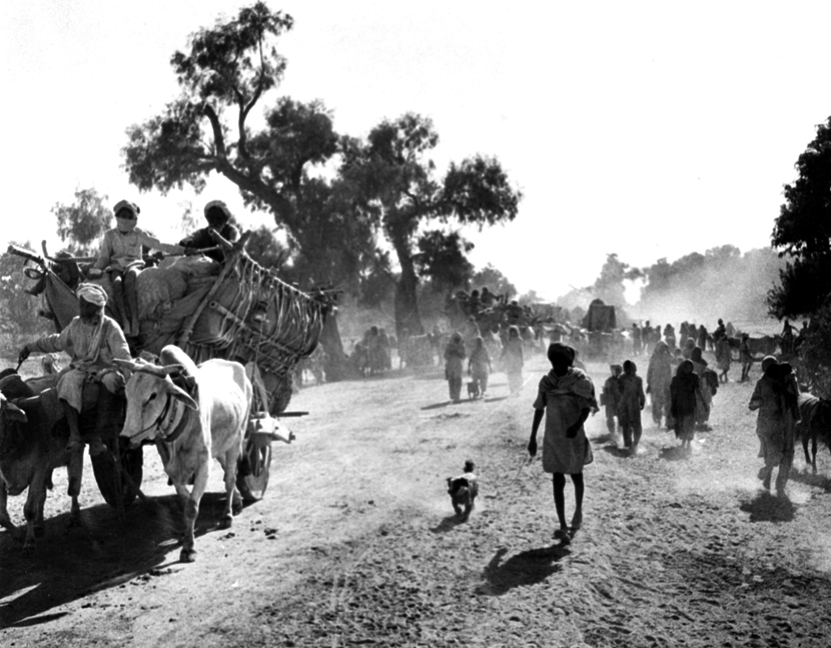
The partition of British India in 1947 divided the subcontinent into two new states, India and Pakistan, along mainly religious lines. This violent break-up followed nearly a century of direct rule following the defeat of the 1857 uprising and rising communal tensions. Scholars stress that multiple, interlocking factors – political, religious, economic and social – drove Partition. None of these alone suffices, and historians continue to debate their relative importance. As Pandey and others note, we must “move beyond explanations of partition rooted simply in… long-standing Hindu-Muslim cultural difference or in images of a modernity that fixed borders and identities…