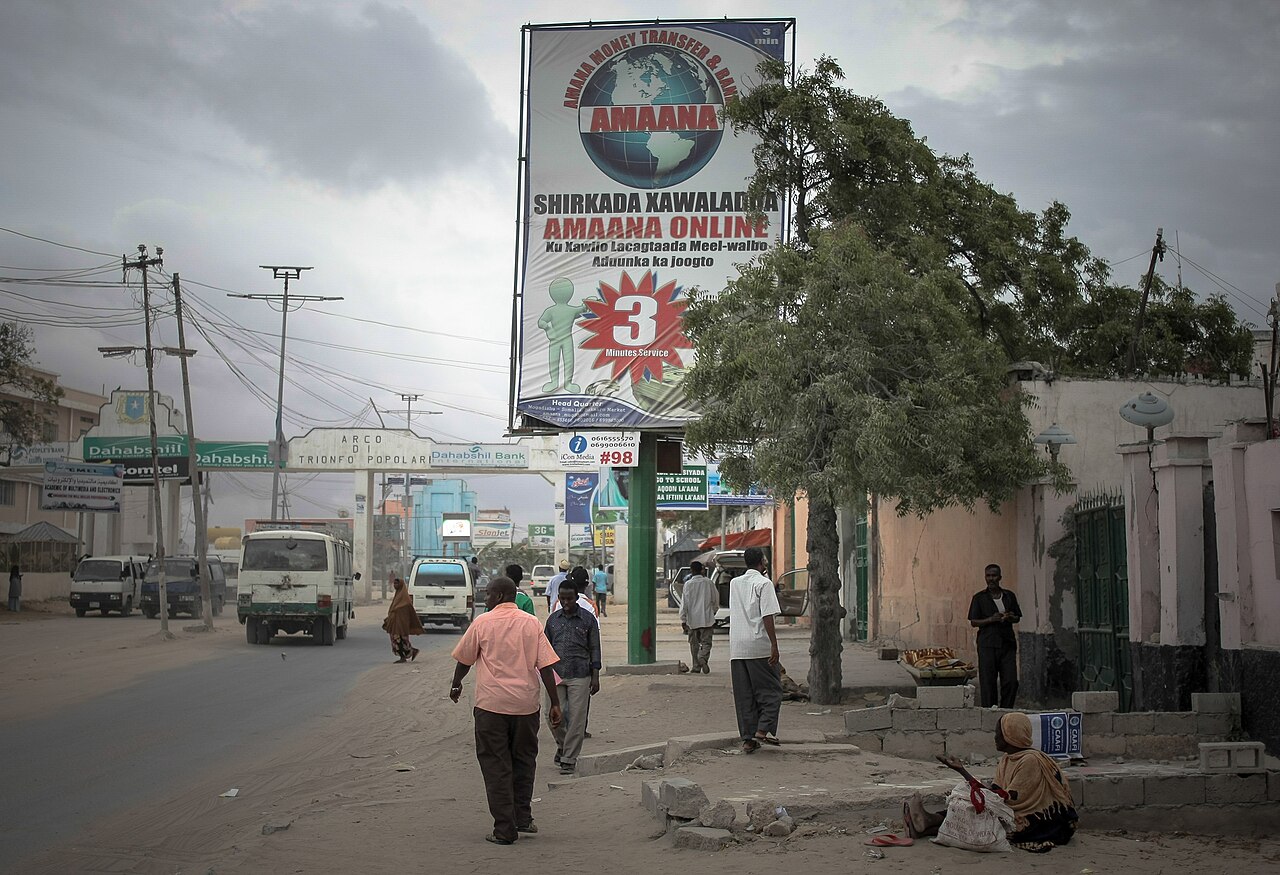

The money that migrants send home doesn’t just support families—it props up entire national economies, funds revolutions in financial technology, and quietly reshapes global power dynamics, all while operating largely outside the view of traditional economics.
Beneath the visible narratives of global migration—the stories of border crossings, cultural assimilation, and political debate—flows a vast, hidden river of capital. Every month, a domestic worker in London, a software engineer in Silicon Valley, or a nurse in Riyadh will sit down, open an app or visit a small money transfer outlet, and send a portion of their earnings back to their family in Manila, Hyderabad, or Accra. This transaction, repeated hundreds of millions of times a year, constitutes the world of remittances: the personal cross-border financial transfers from migrants to their countries of origin. In 2024, these flows are projected to exceed $850 billion, with over $680 billion sent to low- and middle-income countries alone. This figure dwarfs global foreign direct investment (FDI) to those nations and is nearly triple the total of official development assistance (ODA). Remittances are not a peripheral byproduct of migration; they are its central economic engine and most tangible global impact. This article argues that the “remittance rails”—the networks, technologies, and economic behaviors that facilitate these flows—constitute a parallel global financial system. This system alleviates poverty with surgical precision, fosters both dependence and development in migrant-sending nations, and is now being fundamentally transformed by digital technology, creating new opportunities and new forms of financial colonization.
The Anatomy of a Trillion-Dollar Lifeline
To understand the power of remittances, one must first understand their scale, trajectory, and unique characteristics as an economic force.
The Staggering Scale and Steadfast Nature
The volume of remittances is not merely large; it is resiliently counter-cyclical. During global crises—the 2008-09 financial meltdown, the COVID-19 pandemic, regional conflicts—remittances have often dipped only to rebound quickly, frequently proving more stable than private debt or equity flows. When a hurricane hits the Philippines or an earthquake strikes Haiti, the first surge of external capital is not from international aid agencies, but from the diaspora wiring funds home. This resilience stems from their source: they are non-commercial, sent by individuals driven by familial obligation and altruism, not by profit-seeking investors. The top remittance-receiving countries are a mix of populous nations and smaller states with large diasporas: India (consistently over $100 billion annually), Mexico, the Philippines, Egypt, and Pakistan. For many of these countries, remittances constitute a significant percentage of GDP—exceeding 20% in nations like Lebanon, Tonga, and Honduras. They are, in effect, a national salary, paid by the global labor market directly to a country’s citizens.
From Hawala to Hyper-Financialization: The Evolution of Systems
The history of moving money across borders is a history of trust and technology. For centuries, migrants relied on informal networks. The most famous is the Hawala system, originating in South Asia and the Middle East, a trust-based method where money is paid to an agent in one city and a corresponding sum is delivered by an associate in another, with balances settled later. While often associated with illicit finance, Hawala’s genius was providing fast, reliable, and cheap transfers where formal banking was absent or untrusted.
The 20th century saw the rise of dedicated Money Transfer Operators (MTOs) like Western Union and MoneyGram. They built vast physical networks of agents, commodifying and scaling the trust model. However, their dominance came with high costs—transfer fees often consumed 10% or more of the sent amount, a “poverty tax” on the poor.
Today, we are in the midst of a digital revolution. Fintech companies like Wise (formerly TransferWise), Remitly, and mobile money platforms like Kenya’s M-Pesa are dismantling the old oligopoly. They use peer-to-peer models, blockchain-inspired ledgers, and mobile wallets to slash costs and increase speed. The global average cost of sending $200 has fallen from over 9% in 2010 to around 6% today, driven largely by this competition. This digitization is turning remittance flows from occasional lump sums into seamless, frequent micro-transactions, further integrating migrant households into a digital global economy.
The Macroeconomic Impact: Development, Dependence, and Distortion
The influx of hundreds of billions of dollars into developing economies has profound and paradoxical effects, acting as both a stabilizer and a potential source of long-term distortion.
Poverty Alleviation and the “Social Insurance” Effect
At the household level, the impact is overwhelmingly positive and precisely targeted. Remittances are a direct investment in human capital. Studies consistently show that families receiving remittances have significantly lower rates of poverty and child mortality. The money is spent on essentials: better nutrition, healthcare, school fees, and improved housing. This consumption lifts local economies, creating a multiplier effect as shopkeepers, builders, and teachers benefit from increased spending. Crucially, remittances act as a form of informal social insurance. They smooth consumption during agricultural downturns, health emergencies, or other income shocks, allowing families to avoid selling productive assets or removing children from school—decisions that perpetuate poverty across generations.
The Dutch Disease Dilemma and the Productivity Paradox
However, at the national level, the picture becomes more complex. Economists have long warned of “Dutch Disease,” where large inflows of foreign currency (like remittances or oil revenue) can cause a country’s real exchange rate to appreciate. This makes its other exports (like agriculture or manufacturing) more expensive on world markets, undermining those sectors and potentially “hollowing out” the productive economy. Why invest in a struggling factory when your family’s welfare is secured by a son working abroad?
This leads to the productivity paradox. While remittances boost consumption and well-being, evidence that they reliably fuel productive investment and broad-based economic growth is mixed. A significant portion is spent on consumption, not business creation. Furthermore, the steady flow of external income can reduce the pressure on governments to build effective tax systems or implement necessary structural reforms. In the worst cases, it can foster a culture of dependency, where the aspiration of young people is not to build a local enterprise but to emigrate and join the remittance-sending class. The economic model becomes based on exporting labor and importing capital, a precarious foundation for sustainable development.
The Human and Social Calculus: More Than Money
Remittances are a monetary transaction embedded in a dense web of social relations, emotional labor, and shifting power dynamics within families and communities.
The Gendered Dimension of Giving and Receiving
The act of remitting is deeply gendered. While the majority of international migrants are male, women migrants tend to send a higher proportion of their income home, more consistently, and for longer periods. Their remittances are also more likely to be earmarked for education and healthcare. However, the social expectation to remit can be a heavy burden, especially for women working in undervalued care or domestic sectors. Back home, the receipt of money often alters household dynamics. When men are the primary receivers, they typically control the funds. But when women are the primary recipients—often as mothers or sisters left behind—studies show they gain greater decision-making power over household finances, leading to more spending on children’s welfare.
The “Moral Economy” and Social Pressure
Remitting is not a cold financial choice; it is part of a “moral economy” of migration. It represents the fulfillment of a social contract between the migrant and the family that may have invested in their journey. Failure to send money can lead to intense guilt, familial strife, and a loss of status. This pressure can trap migrants in cycles of low-wage work abroad, as their identity becomes tied to their role as a provider. Communities, in turn, can become stratified between “remittance-rich” and “remittance-poor” households, altering social structures and creating new, migration-driven class divisions.
The Policy Conundrum: Harnessing, Taxing, and Financializing the Flow
Governments and international institutions view remittances with a mix of gratitude and ambition, leading to a range of often-conflicting policy interventions.
The “Cheaper, Faster, More Transparent” Agenda
A primary focus for bodies like the G20 and the World Bank has been reducing transfer costs to meet the UN Sustainable Development Goal target of 3%. This involves promoting competition, encouraging digital solutions, and improving financial literacy. The goal is to maximize the amount that reaches beneficiaries, treating every percentage point saved as billions in additional development funding.
Diaspora Bonds and the Search for “Leverage”
Sending-country governments are increasingly looking to “lever” remittances for national development. One instrument is the diaspora bond. Israel and India have historically used these to tap into patriotic sentiment, offering bonds specifically marketed to overseas nationals to fund infrastructure. The idea is to transform small, consumption-oriented flows into large pools of capital for public investment. Success is mixed; it requires high levels of diaspora trust in the government, which is often lacking.
The Frontier of Financialization and Risk
The latest, and most controversial, frontier involves securitizing future remittance flows. Banks in countries like Turkey, Mexico, and Brazil have bundled the expected future dollar/euro income from remittances into bonds sold to international investors. This provides the local banks with upfront hard currency but essentially mortgages a nation’s future family income. It is a high-stakes financial engineering that links the welfare of a rural household to the volatility of global bond markets, raising serious ethical questions about the extraction of value from migrant labor.
The Future of the Rails: Digital Sovereignty and Climate Shocks
The remittance landscape is poised for further transformation by two powerful forces: the digital revolution’s next wave and the global climate crisis.
CBDCs, Crypto, and the Battle for Financial Sovereignty
Central Bank Digital Currencies (CBDCs) and blockchain technology promise near-instant, near-free cross-border settlement. Imagine a Filipino worker in the UAE being paid in a digital dirham and instantly converting a portion to a digital Philippine peso sent to their mother’s mobile wallet, bypassing MTOs and correspondent banks entirely. This could be the ultimate cost-saver. However, it raises issues of digital sovereignty. Will these new rails be dominated by the platforms of global tech giants or the currencies of major powers? Will they empower migrants and their families, or create new forms of surveillance and control?
Remittances as a Climate Adaptation Fund
Finally, climate change is becoming a major driver of migration and, by extension, remittances. As climate shocks destroy livelihoods in vulnerable regions, remittances will become an even more critical lifeline for adaptive capacity—funding the digging of deeper wells, the rebuilding of storm-resistant homes, or the relocation of families. In this sense, the remittance rails will increasingly function as a decentralized, community-driven global climate adaptation fund, a financial immune response to ecological breakdown, highlighting once again how the intimate economic choices of migrants are inextricably linked to the planet’s most pressing challenges.
Conclusion: The Intimate Architecture of Globalization
The story of remittance rails reveals a fundamental truth about our globalized world: the most powerful economic structures are often built not by states or corporations, but by the collective actions of individuals fulfilling personal obligations. These financial capillaries, connecting a kitchen in Brooklyn to a village in Bangladesh, form a circulatory system more robust, in many ways, than the arteries of formal finance. They demonstrate that migration is not a drain on the developing world, but a complex and often painful form of transnational resource redistribution.
Yet, this system exists in a permanent tension. It is a lifeline that can foster dependency, a tool for development that can distort economies, and a personal act of love that is increasingly financialized and scrutinized by states and markets. As digital technology rewires the rails, the challenge for policymakers is not just to make transactions cheaper, but to ensure this mighty flow ultimately serves to build resilient, diversified economies in sending countries—economies that might one day offer their citizens a genuine choice to thrive at home. The future of remittances will be a key indicator of whether globalization can evolve from a system that exports labour to one that truly shares prosperity.

Leave a Reply