-
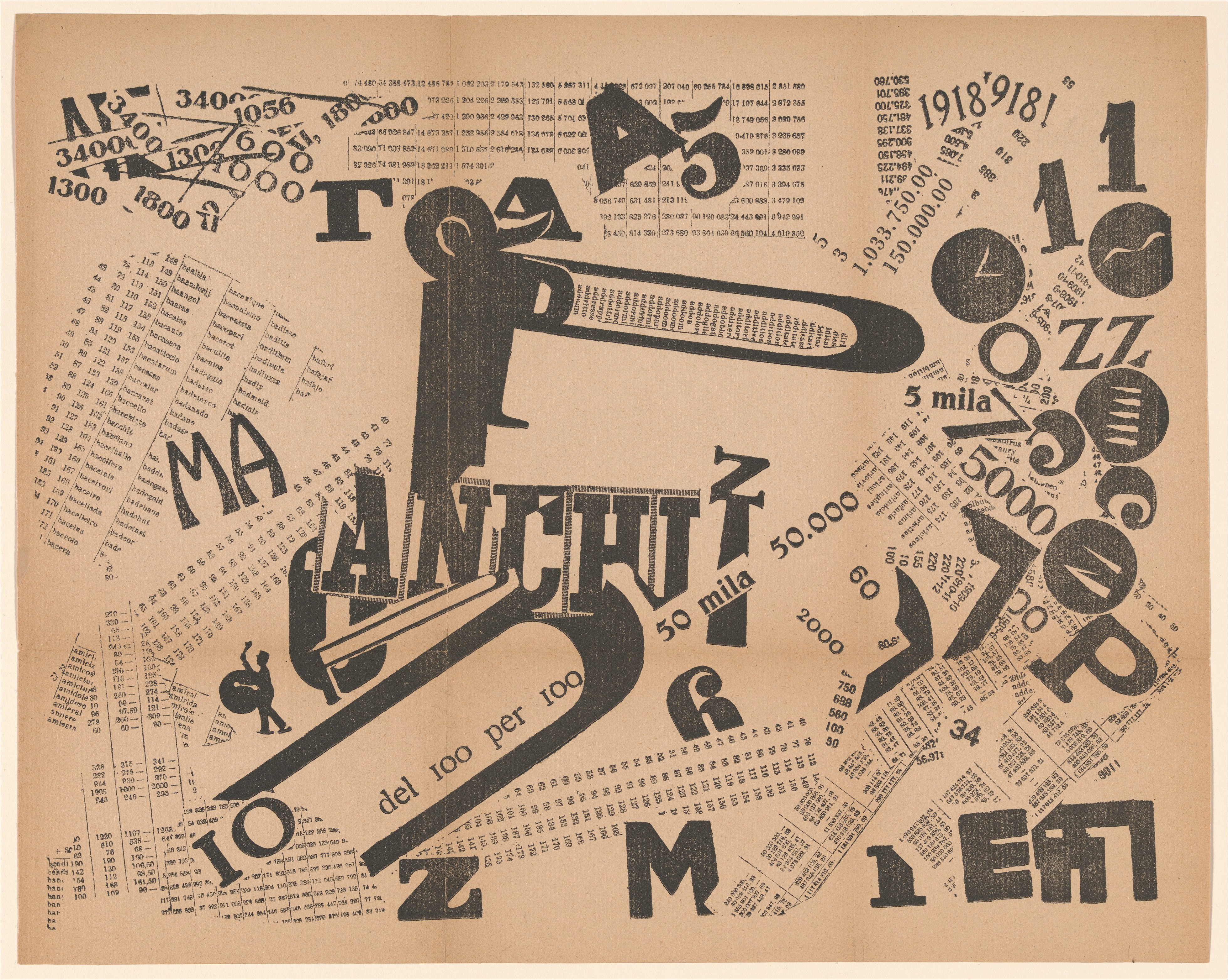
When Filippo Tommaso Marinetti’s Futurist Manifesto exploded across the front page of Le Figaro in February 1909, readers encountered not just new ideas but a new rhythm of language. Words shouted, lines fragmented, punctuation vanished. The manifesto didn’t simply describe modernity—it performed it. In the early twentieth century, artists and writers across Europe discovered that the printed page itself could be a weapon of revolution. Typography, layout, and design became expressions of speed, shock, and rebellion. From the Futurists in Italy to the Dadaists in Zurich, from the Constructivists in Russia to the Bauhaus in Germany, a generation of radicals…
-

When people in the early twentieth century first heard their own voices played back or saw themselves captured on film, it must have felt like magic. For the first time in history, sound and sight could be detached from the human body and replayed at will. Music no longer needed a performer; memory no longer relied on recollection. These new technologies—the phonograph, the camera, and eventually the cinema—did more than record experience; they changed what experience was. They created a culture of mechanical reproduction that reshaped how people felt, remembered, and imagined the world. The Invention of Mechanical Memory Edison…
-
At the dawn of the twentieth century, a new kind of journalism was born—one less interested in Parliament or policy than in people. Its headlines shouted rather than spoke, its photographs peered rather than illustrated, and its purpose was not to inform so much as to fascinate. The tabloid press changed the relationship between the public and the private. It invited readers to look inside other people’s lives and, in doing so, helped create one of the defining features of modern society: celebrity. This is the story of how gossip became news, how fame became a profession, and how mass…
-
In the early decades of the twentieth century, a revolution took place in how ideas, objects, and emotions were sold. The advertisement—once a blunt announcement of availability—became a finely crafted cultural artefact. New agencies such as J. Walter Thompson and theorists like Claude Hopkins professionalised persuasion, turning art, psychology, and data into instruments of commerce. In doing so, they helped create the modern landscape of consumer identity. This essay explores advertising’s transformation from informational notice to aesthetic experience. It examines how agencies learned to design desire itself, how images began to promise happiness and belonging, and how thinkers like Walter…
-
In the late 19th and early 20th centuries, a new kind of building began to dominate the urban imagination: the department store. These vast emporia were not merely places to buy goods. They were theatrical stages of desire, social arenas, and symbolic factories of modern identity. From Le Bon Marché in Paris to Macy’s in New York, and Selfridges in London, department stores transformed consumption into a cultural ritual. This essay explores how these institutions turned shopping into spectacle — focusing on spatial design, consumer psychology, gender, and the theoretical lens of Walter Benjamin’s Arcades Project and the work of…