-
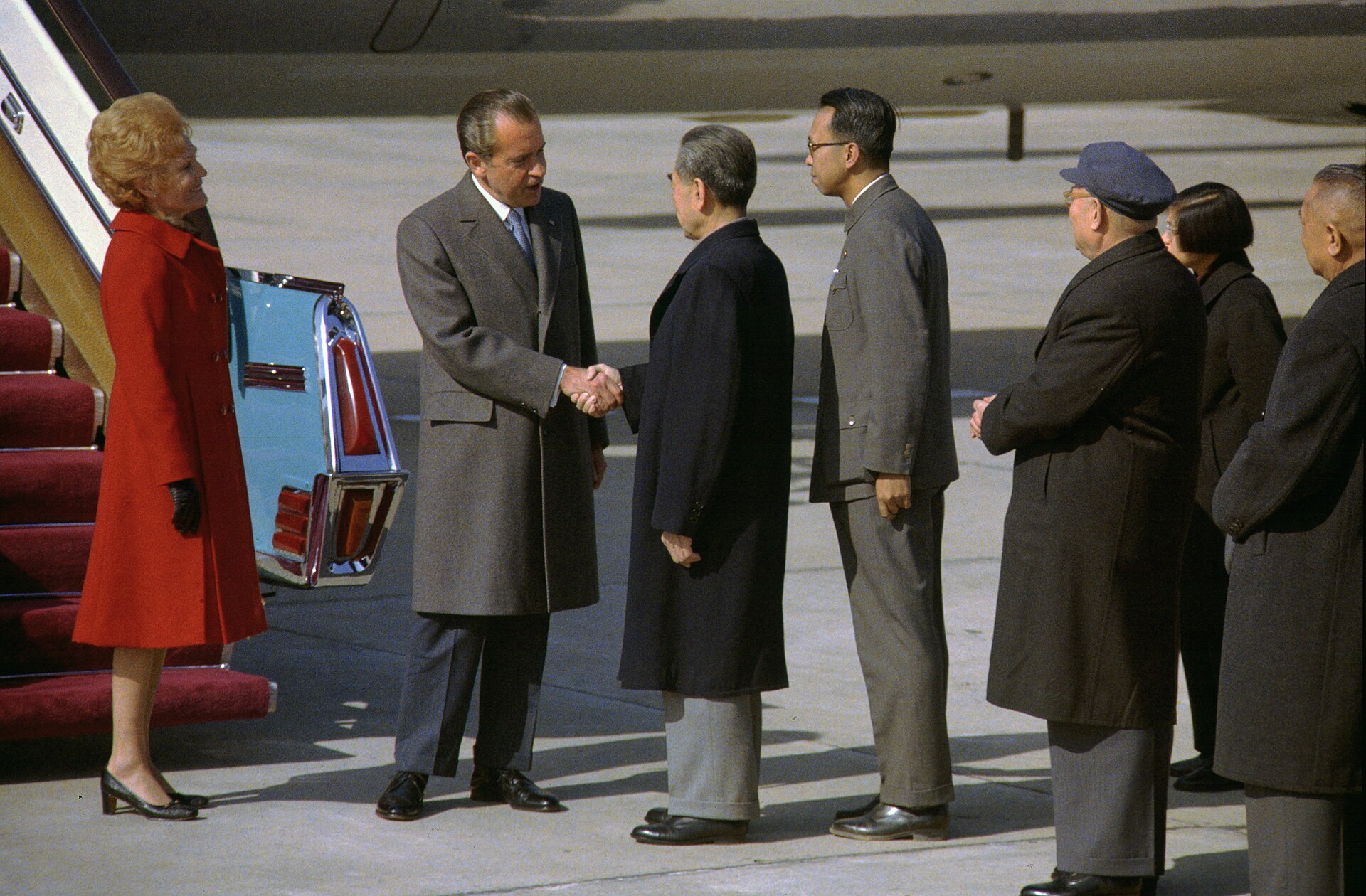
The United States faces a changing global landscape where its former dominance is eroding, exemplified by Trump’s diplomacy compared to Nixon’s strategic opening to China. While Nixon operated from strength, Trump’s approach highlights American overreach and a lack of credible power. This shift reveals the importance of humility in foreign policy as the world becomes less governable by a single power.
-

Jiang Qing (1914–1991) was a significant and controversial figure in the history of the People’s Republic of China. Officially condemned as the leader of the “Gang of Four” for her role in the Cultural Revolution (1966–1976), her historical narrative has been heavily shaped by the political objectives of the post-Mao era. The state-sanctioned narrative cast her as a primary antagonist, branding her the “White-Boned Demon,” a malevolent figure from classical literature. This official account, while politically useful for the succeeding leadership, simplifies a complex career. A historical analysis of Jiang Qing requires moving beyond the framework of official condemnation to…
-
The Down to the Countryside Movement struck hardest at the very foundation of social advancement in Maoist China: education. At a time when university entrance exams were suspended and academic institutions were in turmoil, the zhiqing were removed from classrooms and sent into the fields, effectively severing their access to both formal learning and career mobility. A Generation Interrupted Between 1966 and 1977, China’s entire higher education system was disrupted or dismantled. Universities ceased admissions from 1966 to 1970, and when they reopened, entry was based not on examination but on political reliability, class background, and labor performance. This abolition…
-
The Red Guards were the student vanguard of Mao Zedong’s Cultural Revolution (1966–1976). In 1966, millions of Chinese middle- and high-school students answered Mao’s call to purge “revisionist” elements and “old culture” from society . Clad in green military-style jackets and bright red armbands, these youths enthusiastically proclaimed loyalty to Mao. As one former Red Guard recalled of the summer of 1966, “When we saw Mao wave his hand, we all went berserk. We shouted and screamed until we had no voices left” . Another looked back much later and confessed: “We became Red Guards [because] we all shared the…
-
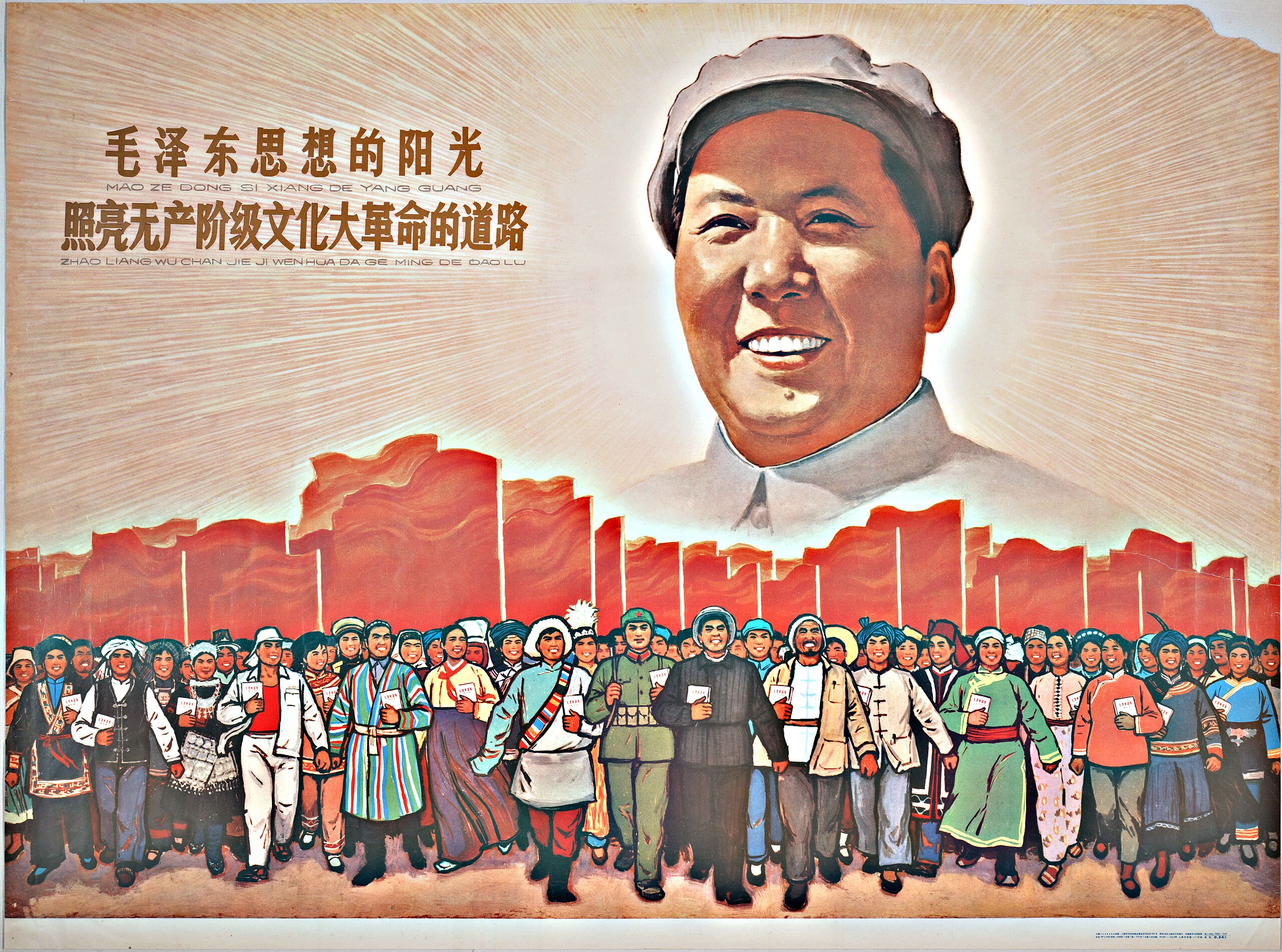
The Chinese Cultural Revolution (officially the Great Proletarian Cultural Revolution) was a decade-long political and social upheaval launched by Mao Zedong in May 1966 to “renew the spirit of the Chinese Revolution” . Far from benign, the campaign brought widespread violence and chaos: as many as 1.5–2 million people died and tens of millions were persecuted in mass campaigns . Triggered by Mao’s fear of Soviet-style “revisionism” and perceived enemies in his own party, the Cultural Revolution saw China’s youth mobilized as Red Guards to wage class struggle. In Mao’s words, it was a fight to “crush… those persons in…
-

In 1966, Mao staged a return to public life and attempted to wrest back control of the Chinese Communist Party following the disaster of the Great Leap Forward. He had been a marginal figure for four years since 1962, and in the mean time more pragmatic and less ideological figures such as Liu Shaoqi and Deng Xiaoping had steered party policy. Mao would appeal directly to China’s youth, a generation who had grown up after the revolution. He would direct the energies of young people against the establishment within the party, denouncing them as ‘rightists’. This was partly the result…