-
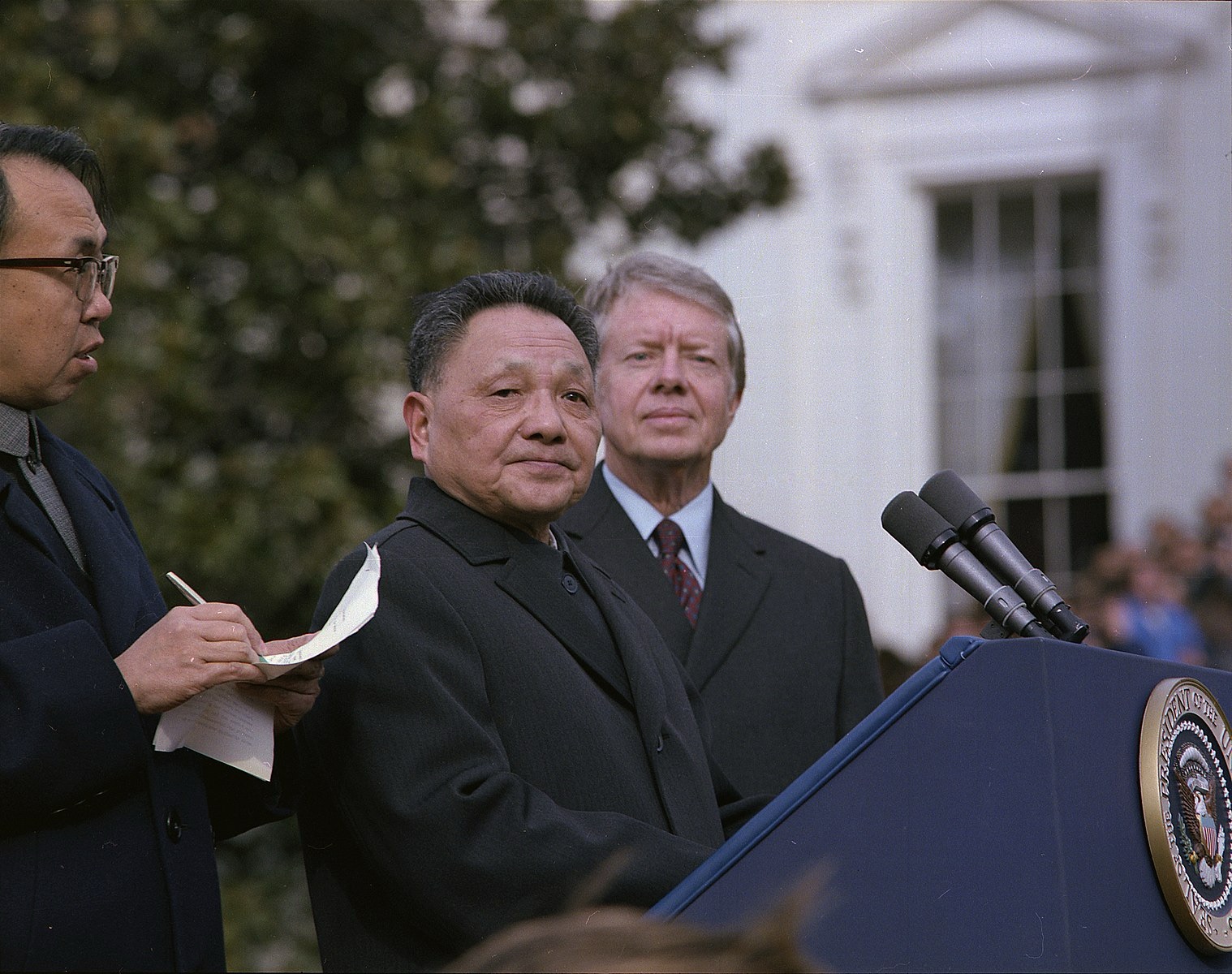
Deng Xiaoping’s legacy lies in the creation of “Market-Leninism,” a hybrid political economy that decoupled economic liberalization from political democratization. By redefining markets as neutral tools rather than capitalist markers, Deng dismantled the command economy and integrated China into global trade while preserving the Communist Party’s political monopoly. This transformation generated rapid growth and a new middle class but also engendered systemic corruption, deep inequality, and environmental degradation. Ultimately, Deng established a model of “resilient authoritarianism” that co-opted elites and relied on performance legitimacy, challenging the Western modernization theory that economic development inevitably leads to liberal democracy.
-

Following the 1989 Tiananmen crackdown and the Soviet Union’s collapse, China entered a period of economic retrenchment dominated by conservative ideologues who prioritized planning over markets. In early 1992, Deng Xiaoping ended this stagnation with his “Southern Tour” (Nanxun). Bypassing the Beijing bureaucracy, Deng rallied provincial and military support for accelerated reform, famously declaring that the market is a tool, not a defining feature of capitalism. This political intervention neutralized the conservative faction, forced General Secretary Jiang Zemin to pivot toward reform, and led to the formal adoption of the “Socialist Market Economy” at the 14th Party Congress, launching a…
-
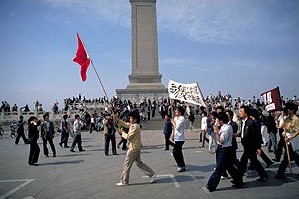
The Tiananmen Square protests of 1989 were not solely an ideological demand for Western democracy, but a reaction to the socio-economic shocks of the reform era. The “dual-track” pricing system triggered runaway inflation (peaking in 1988) and fueled systemic corruption (guandao) among the political elite, devastating the economic security of urban workers and intellectuals. The collision of these material grievances with the political paralysis of the CPC created a legitimacy crisis. The tragic crackdown on June 4 resolved this tension by force, cementing a model of authoritarian capitalism where economic freedom is permitted, but political challenge is suppressed.
-
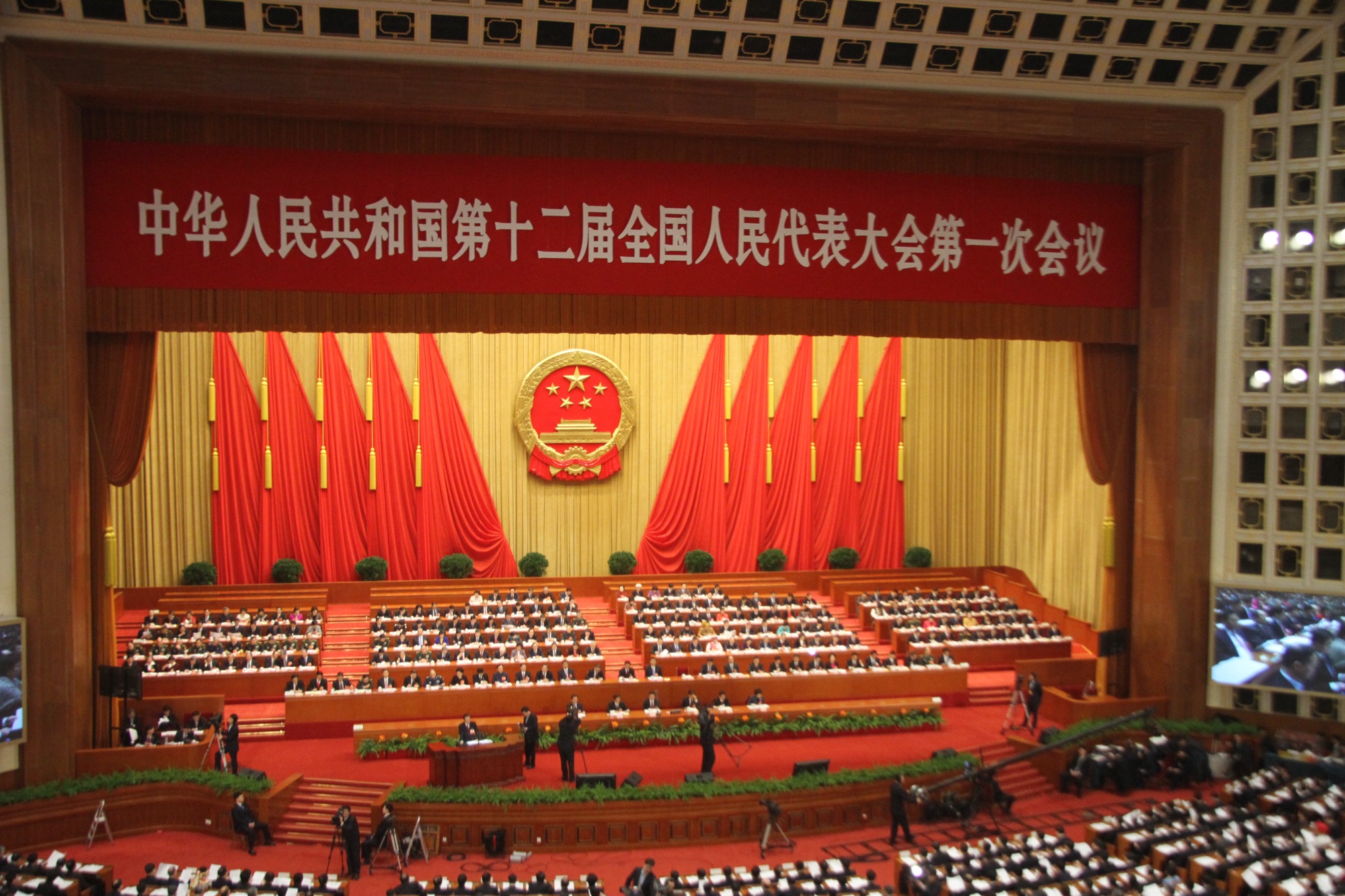
In the 1980s, China’s urban and industrial landscape was transformed by the unplanned rise of the non-state sector. Township and Village Enterprises (TVEs), driven by “local state corporatism,” absorbed rural labor and outcompeted state firms, becoming a surprising engine of growth. Simultaneously, the legalization of small vendors (getihu) and the influx of the “floating population”—migrants bound by the restrictive hukou system—reshaped the urban workforce. Alongside the nascent commodification of housing and a consumer revolution, these shifts birthed a new urban middle class and a hybrid economy, marking the irreversible transition from a planned society to a market-driven one.
-

The Dual-Track Price System (shuangguizhi) was the ingenious mechanism that allowed China to transition from a command to a market economy without systemic collapse. Introduced in the mid-1980s, it required state-owned enterprises to fulfill a fixed production quota at low state prices (the “Plan Track”) while allowing surplus output to be sold at floating market prices (the “Market Track”). This introduced marginal market incentives while maintaining supply chain stability. Although it successfully allowed China to “grow out of the plan,” the price discrepancies fueled massive corruption (guandao) and inflation, contributing significantly to the social unrest of 1989.
-
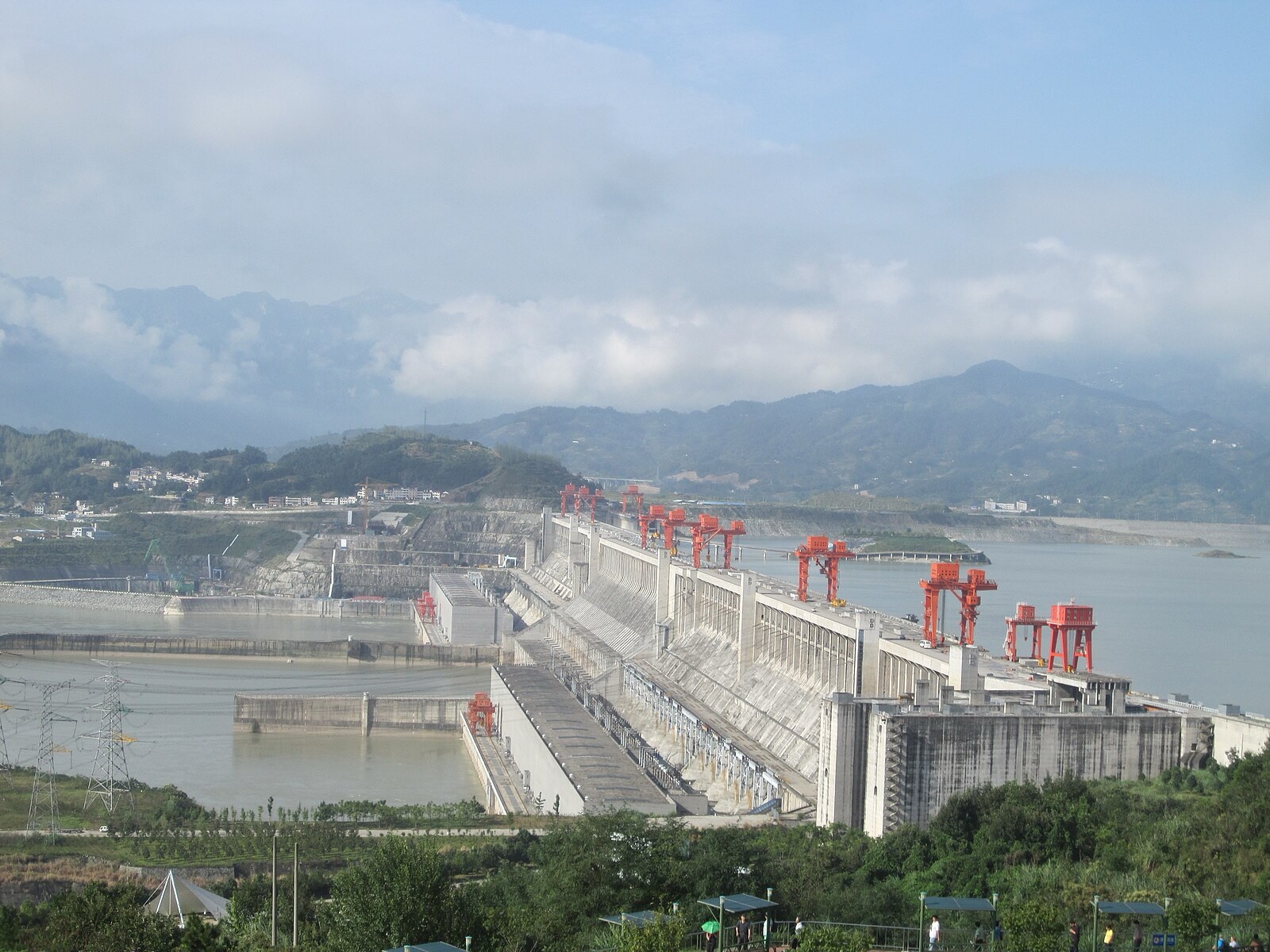
China’s State-Owned Enterprise (SOE) reform was a treacherous evolution from the “Iron Rice Bowl” to modern state capitalism. Initially, reforms in the 1980s focused on expanding autonomy and profit retention through the “Factory Director Responsibility System” and the ingenious “dual-track” pricing mechanism, which allowed markets to grow alongside the plan. However, persistent inefficiency and spiraling debt forced a radical pivot in the 1990s under Zhu Rongji. The policy of “Grasp the Large, Let Go of the Small” led to the privatization of smaller firms, the corporatization of strategic giants, and the traumatic layoff of over 30 million workers, fundamentally altering…
-

The establishment of Special Economic Zones (SEZs) in 1980 marked China’s decisive engagement with global capitalism. Strategically located near Hong Kong, Macau, and Taiwan, zones like Shenzhen and Xiamen utilized the “Bamboo Network” of the Chinese diaspora to attract capital and technology while containing “ideological pollution.” Functioning as laboratories for market reforms—including land auctions and labor commodification—these zones overcame fierce conservative resistance through Deng Xiaoping’s political protection. The SEZs created a successful hybrid model of state-led export industrialization, transforming China’s coastal geography and providing the blueprint for the nation’s rise as the “workshop of the world.”
-

The Household Responsibility System (HRS) revolutionized rural China by dismantling the inefficient People’s Communes. Initiated by desperate farmers in 1978 and later ratified by the state, the HRS linked material reward to individual effort, allowing households to manage plots and retain surplus output. This policy ended food scarcity and triggered an explosion in agricultural productivity. Beyond farming, it released surplus labor to fuel Town and Village Enterprises and the massive “floating population” of migrant workers. While the HRS laid the foundation for China’s economic miracle, it also eroded communal welfare and exacerbated inequality, permanently transforming the Chinese social fabric. Image…
-

The Third Plenum of 1978 was the decisive pivot in modern Chinese history, marking the shift from Maoist permanent revolution to pragmatic economic construction. This article analyzes how Deng Xiaoping utilized the session to dismantle the dogmatic “Two Whatevers” and replace “class struggle” with “modernization” as the Party’s central task. By institutionalizing “seeking truth from facts,” the Plenum authorized market-oriented reforms and rural de-collectivization. It argues that this event was an epistemological break that saved the Communist Party by re-anchoring its legitimacy in economic performance rather than ideological purity, transforming a totalitarian stasis into the engine of China’s global rise.…
-

Introduction: The Interregnum of Uncertainty On September 9, 1976, the death of Mao Zedong plunged the People’s Republic of ChinaRepublic of China Full Description:The state established on January 1, 1912, succeeding the Qing Dynasty. It was the first republic in Asia, but its early years were plagued by political instability, the betrayal of democratic norms