-
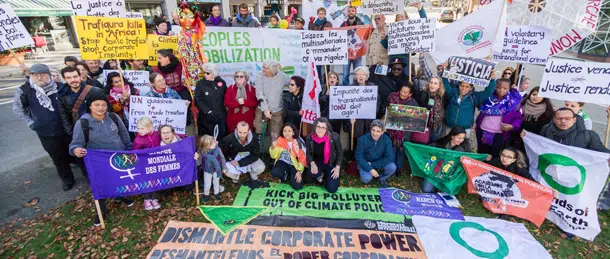
Introduction: Why Democracies Do Propaganda When we teach “propaganda,” we often point to the crude instruments of 20th-century dictatorships—party newspapers, radio tirades, omnipresent posters—and conclude that liberal democracies sit largely outside that story. Yet the last half-century in Britain, the United States, and beyond has seen sweeping, durable shifts in what counts as economic “common sense”: from mid-century social democracy toward deregulationDeregulation Full Description:The systematic removal or simplification of government rules and regulations that constrain business activity. Framed as “cutting red tape” to unleash innovation, it involves stripping away protections for workers, consumers, and the environment. Deregulation is a primary tool…
-
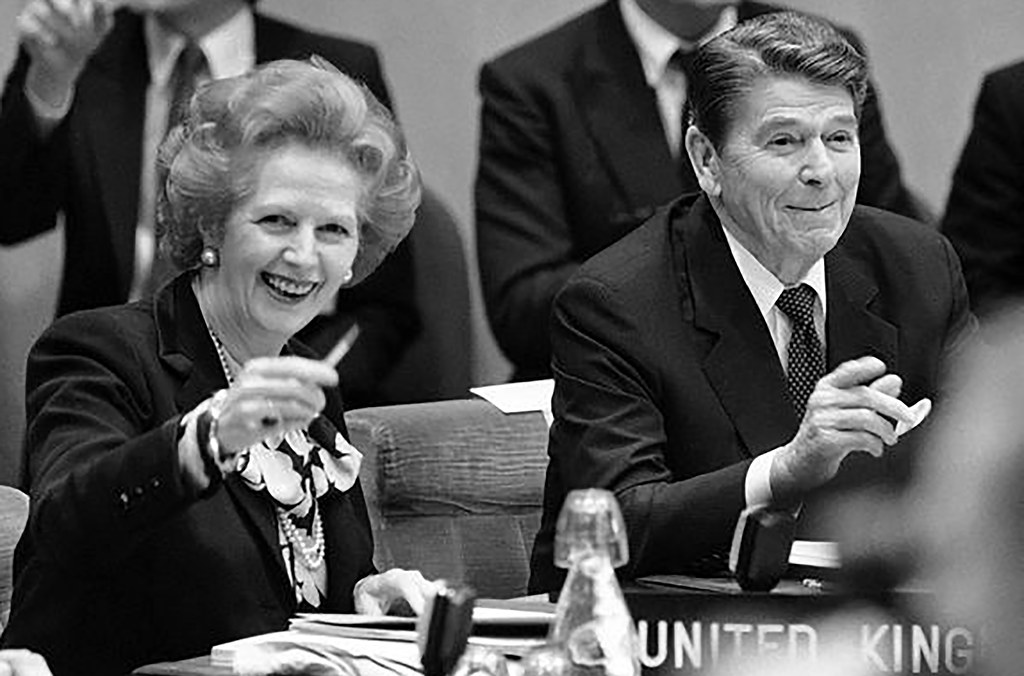
From the 1970s onwards, a wave of free-market ideology reshaped economies, governments, and societies around the world. Known as neoliberalismSupply Side Economics Full Description:Supply-Side Economics posits that production (supply) is the key to economic prosperity. Proponents argue that by reducing the “burden” of taxes on the wealthy and removing regulatory barriers for corporations, investment will increase, creating jobs and expanding the economy. Key Policies: Tax Cuts: Specifically for high-income earners and corporations, under the premise that this releases capital for investment. Deregulation: Removing environmental, labor, and safety protections to lower the cost of doing business. Critical Perspective:Historical analysis suggests that supply-side policies rarely…