-
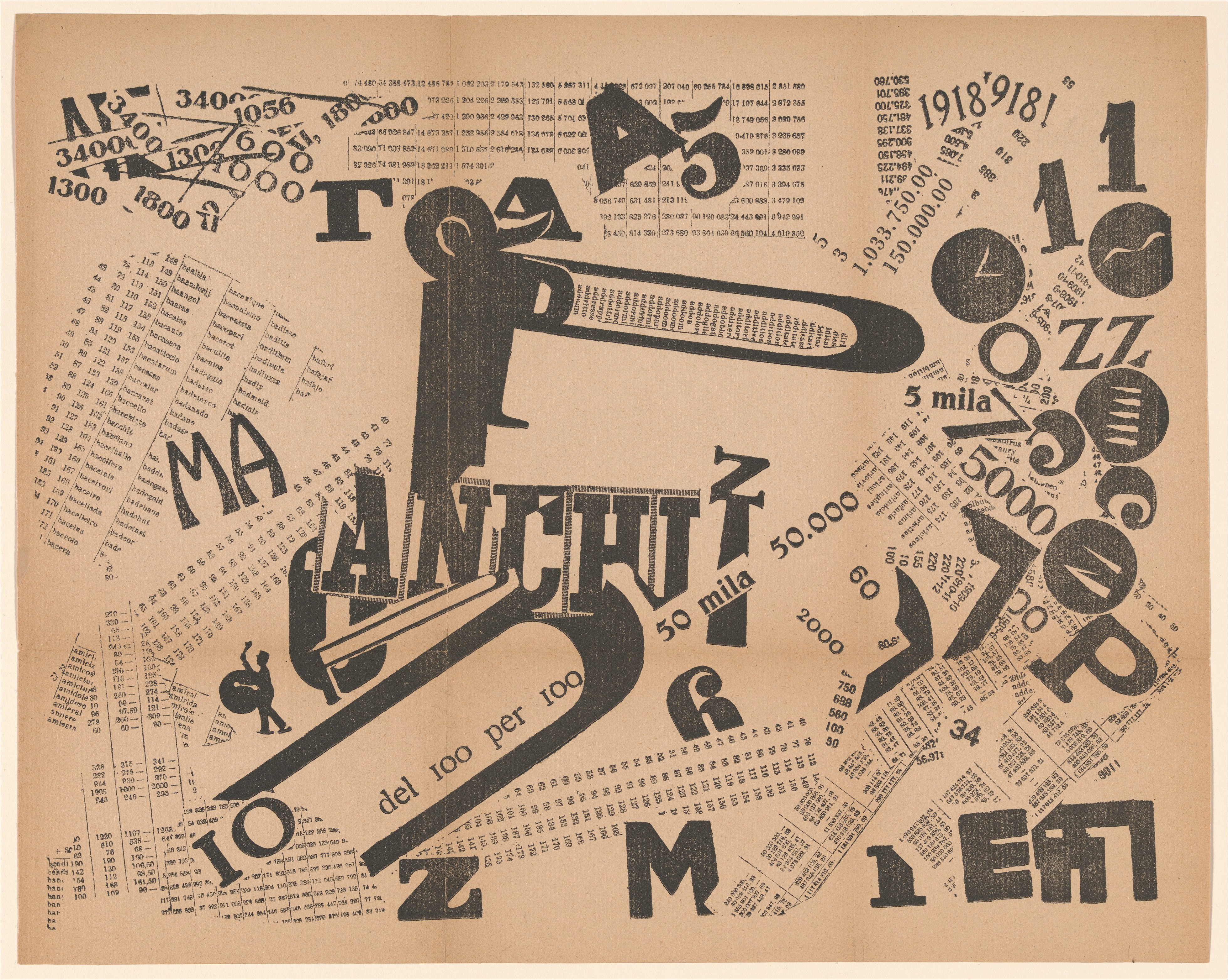
When Filippo Tommaso Marinetti’s Futurist Manifesto exploded across the front page of Le Figaro in February 1909, readers encountered not just new ideas but a new rhythm of language. Words shouted, lines fragmented, punctuation vanished. The manifesto didn’t simply describe modernity—it performed it. In the early twentieth century, artists and writers across Europe discovered that the printed page itself could be a weapon of revolution. Typography, layout, and design became expressions of speed, shock, and rebellion. From the Futurists in Italy to the Dadaists in Zurich, from the Constructivists in Russia to the Bauhaus in Germany, a generation of radicals…
-
Walk through a European city at the turn of the twentieth century, and the streets themselves would have looked like an art gallery. Posters—bright, bold, and impossible to ignore—covered walls, railway stations, and cafés. They advertised everything from plays and cabaret performances to soap, bicycles, and cigarettes. For the first time in history, visual art had escaped the museum. It was public, democratic, and everywhere. From Toulouse-Lautrec’s bohemian Paris to the functional precision of the Bauhaus, posters became the defining visual language of modern life. They merged art and advertising, pleasure and persuasion, and turned the modern city into a…