-
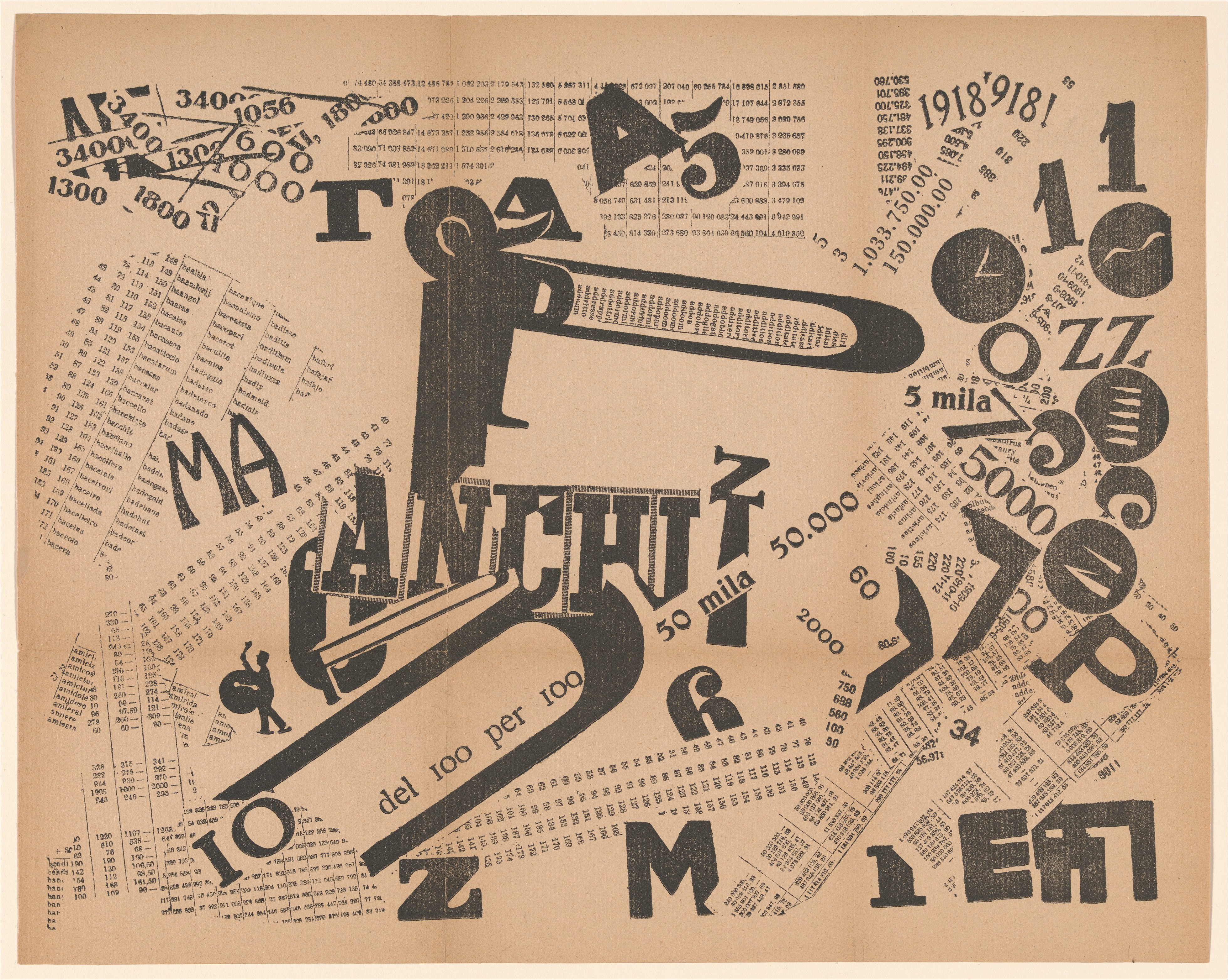
When Filippo Tommaso Marinetti’s Futurist Manifesto exploded across the front page of Le Figaro in February 1909, readers encountered not just new ideas but a new rhythm of language. Words shouted, lines fragmented, punctuation vanished. The manifesto didn’t simply describe modernity—it performed it. In the early twentieth century, artists and writers across Europe discovered that the printed page itself could be a weapon of revolution. Typography, layout, and design became expressions of speed, shock, and rebellion. From the Futurists in Italy to the Dadaists in Zurich, from the Constructivists in Russia to the Bauhaus in Germany, a generation of radicals…