-

Introduction The overthrow of Mohammad Reza Shah Pahlavi in 1979 presented a paradox: a revolution fought with modern tools of communication and mass mobilization was ultimately won in the name of a return to traditional values. While a broad coalition of forces—including nationalists, Marxists, and students—participated in the uprising, its core organizational and ideological strength derived from a centuries-old alliance between two seemingly archaic institutions: the urban bazaar and the Shi’a clerical establishment. This partnership has often been noted in revolutionary histories, but its depth, historical genesis, and operational mechanics require deeper scholarly excavation. This article contends that the bazaar-clergy…
-
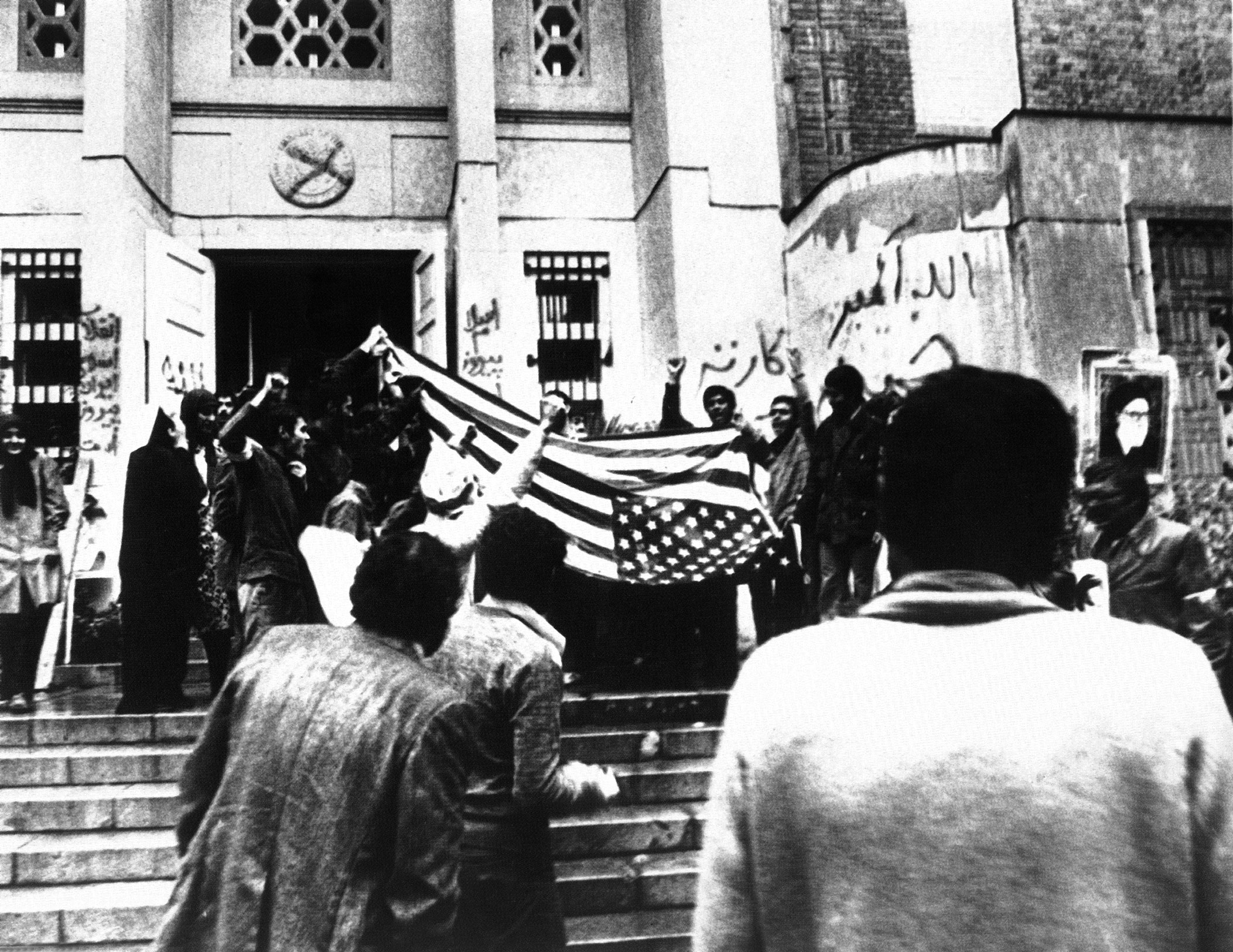
The 1979 Iranian Revolution was a watershed moment in the history of the 20th Century. In a matter of months it overthrew the Western-backed Pahlavi monarchy and installed a theocratic state. Its impact was felt far beyond Iran’s borders. It altered Cold War alignments (ending Iran’s role as a U.S. ally in the Gulf) and touched off a new oil crisis, amplifying fears of energy shortage worldwide . It gave a potent new voice to political Islam. As scholar Mehrzad notes, the revolution lent “an Islamic flavor to the anti-imperialist, anti-American sentiment” in the Middle East . In effect, it…