-

Introduction What does it mean to inherit history? Can a nation’s past shape not only its culture but its private, intimate sense of self? In this week’s Explaining History podcast, I speak with acclaimed Franco-German author Anne Weber about her new book Sanderling (Indigo Press, 2025) — a haunting, reflective exploration of her family’s past and, through it, the turbulent modern history of Germany itself. Through the story of her great-grandfather Florens Christian Rang, Weber investigates the contradictions and continuities that link four generations of her family — from imperial unification to the age of Nazism and beyond. Sanderling is…
-
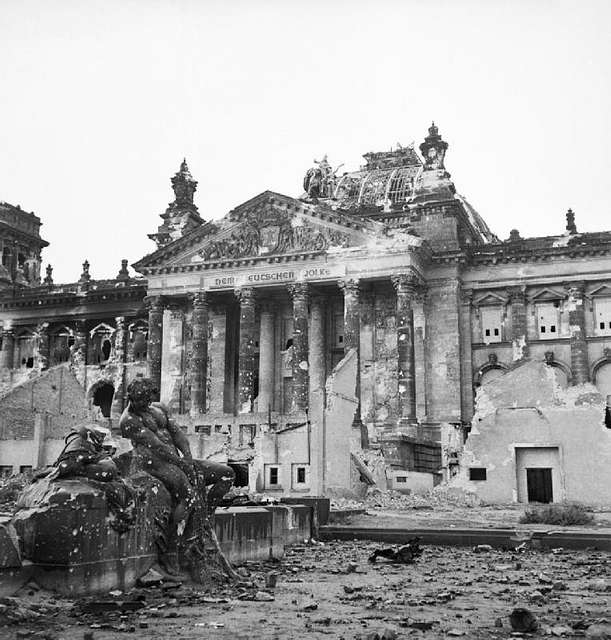
Introduction: After the Fall In early May 1945 Berlin ceased to be the capital of a genocidal empire and became a city of ruins under Soviet control. Before British, American, or French officials arrived, Berliners encountered a new power that was at once liberator, conqueror, and architect of a different totalitarian future. What follows draws on Sinclair McKay’s Berlin, Richard J. Evans’s analysis of popular knowledge under Nazism, and wider scholarship to reconstruct those first weeks: hunger and sexual violence; the quick, almost defiant return of urban life; the politics of “antifascist democracy” under Walter Ulbricht; and the unresolved moral…