-

The plaque left on the Moon by the crew of Apollo 11 carries a message of transcendent human unity: “We came in peace for all mankind.” This phrase, crafted for a global audience, represents the idealistic face of the American space effort—a benevolent, universalist gift from a nation positioning itself as the leader of the free world. Similarly, Soviet propaganda consistently framed its cosmic achievements as triumphs of the socialist system, paving the way for a utopian future for all humanity. Yet, beyond the soaring rhetoric and the stunning imagery, the Space Race was perceived across the globe not as…
-
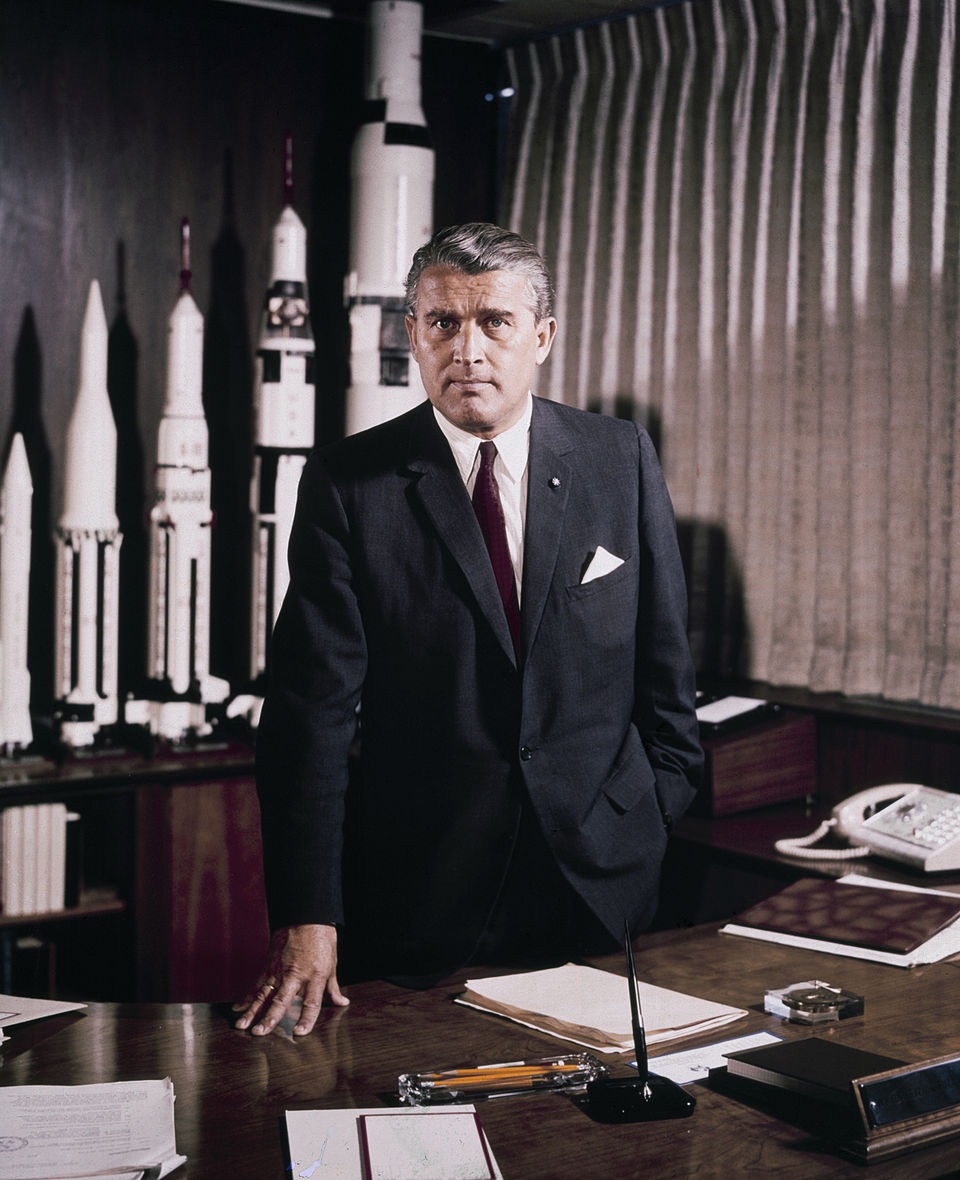
The conventional narrative of the Space Race presents a tale of two systems: the liberal, capitalist democracy of the United States pitted against the centralized, communist party-state of the Soviet Union. This framework, while capturing the superstructural conflict of the Cold War, obscures a more complex and unsettling substratum. The technological foundations upon which both superpowers launched their celestial ambitions were not solely products of indigenous innovation but were deeply embedded in the moral and geopolitical aftermath of the Second World War. The systematic recruitment of scientific and engineering personnel from the defeated Third Reich—most notably through the United States’…