-
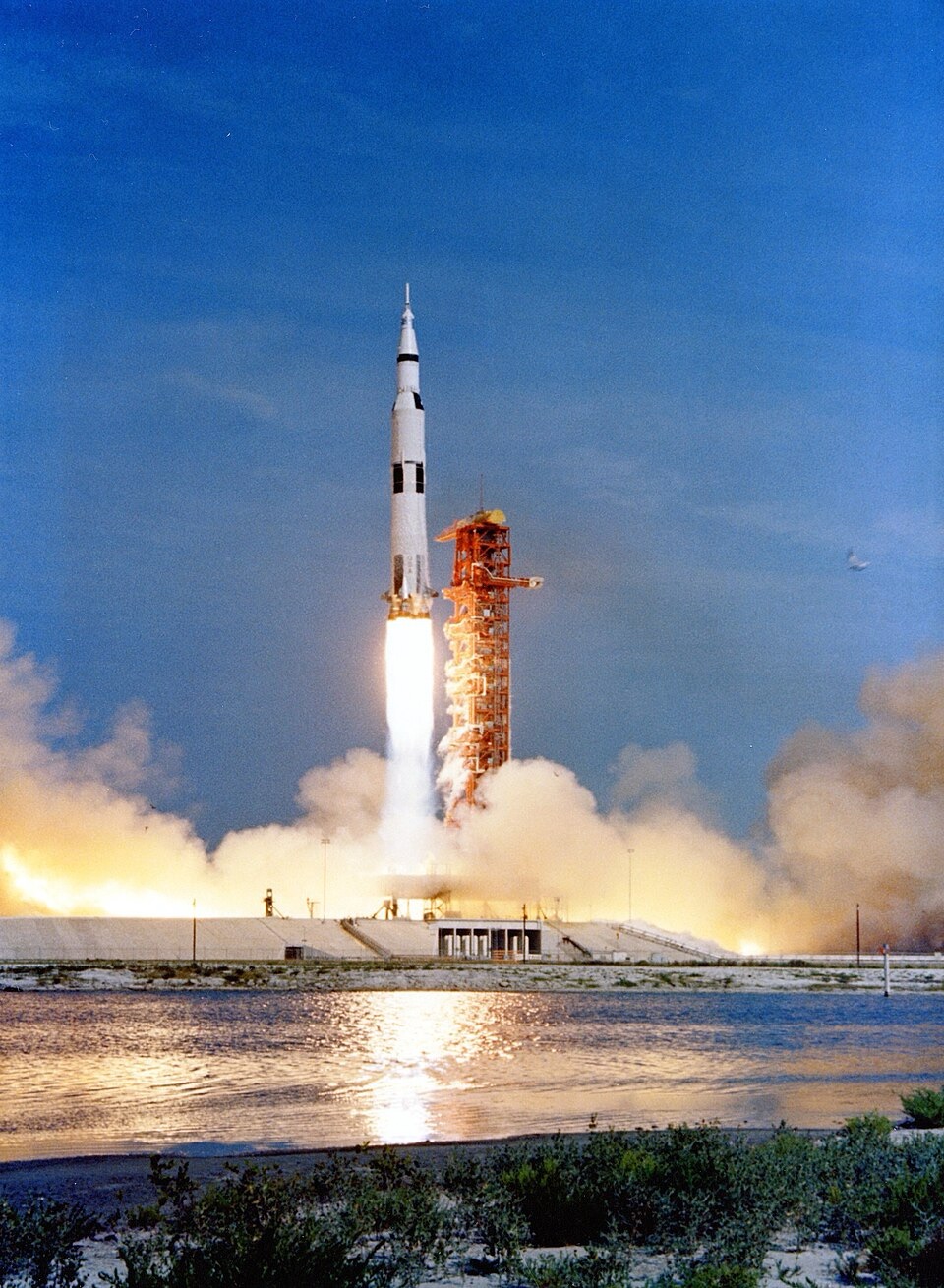
This analysis argues that the Apollo program was a central, contested symbol in the cultural and political wars of the 1960s and 70s. It was simultaneously a symbol of transcendent national ambition and a glaring symbol of misplaced priorities. By examining the critiques from the Civil Rights Movement, the anti-war and countercultural left, the feminist challenge to its masculine ideals, and the contentious political debates over its colossal cost, we can see that the journey to the Moon was not a unifying national pilgrimage.
-

The Kennedy Space Center (KSC) and its surrounding contractor campuses were not the sterile, futuristic utopias of propaganda films. They were massive, sprawling industrial sites, a “space-age company town” on the Florida coast. The workforce that assembled, tested, and launched the Apollo spacecraft was not comprised solely of white-shirted engineers with slide rules; it was a multi-tiered, unionized, and often discontented industrial labor force Image by Josh Hallett
-
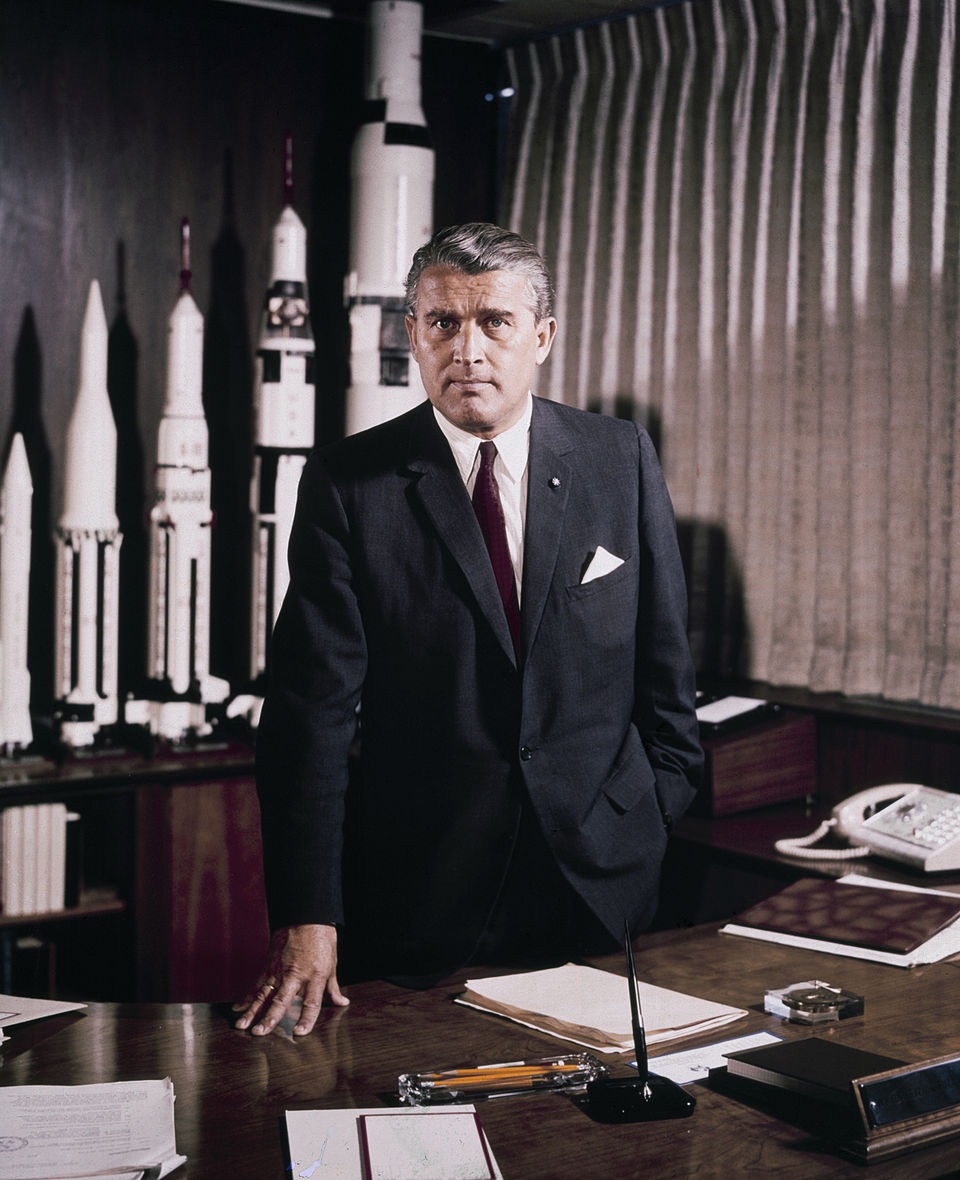
The conventional narrative of the Space Race presents a tale of two systems: the liberal, capitalist democracy of the United States pitted against the centralized, communist party-state of the Soviet Union. This framework, while capturing the superstructural conflict of the Cold War, obscures a more complex and unsettling substratum. The technological foundations upon which both superpowers launched their celestial ambitions were not solely products of indigenous innovation but were deeply embedded in the moral and geopolitical aftermath of the Second World War. The systematic recruitment of scientific and engineering personnel from the defeated Third Reich—most notably through the United States’…