-
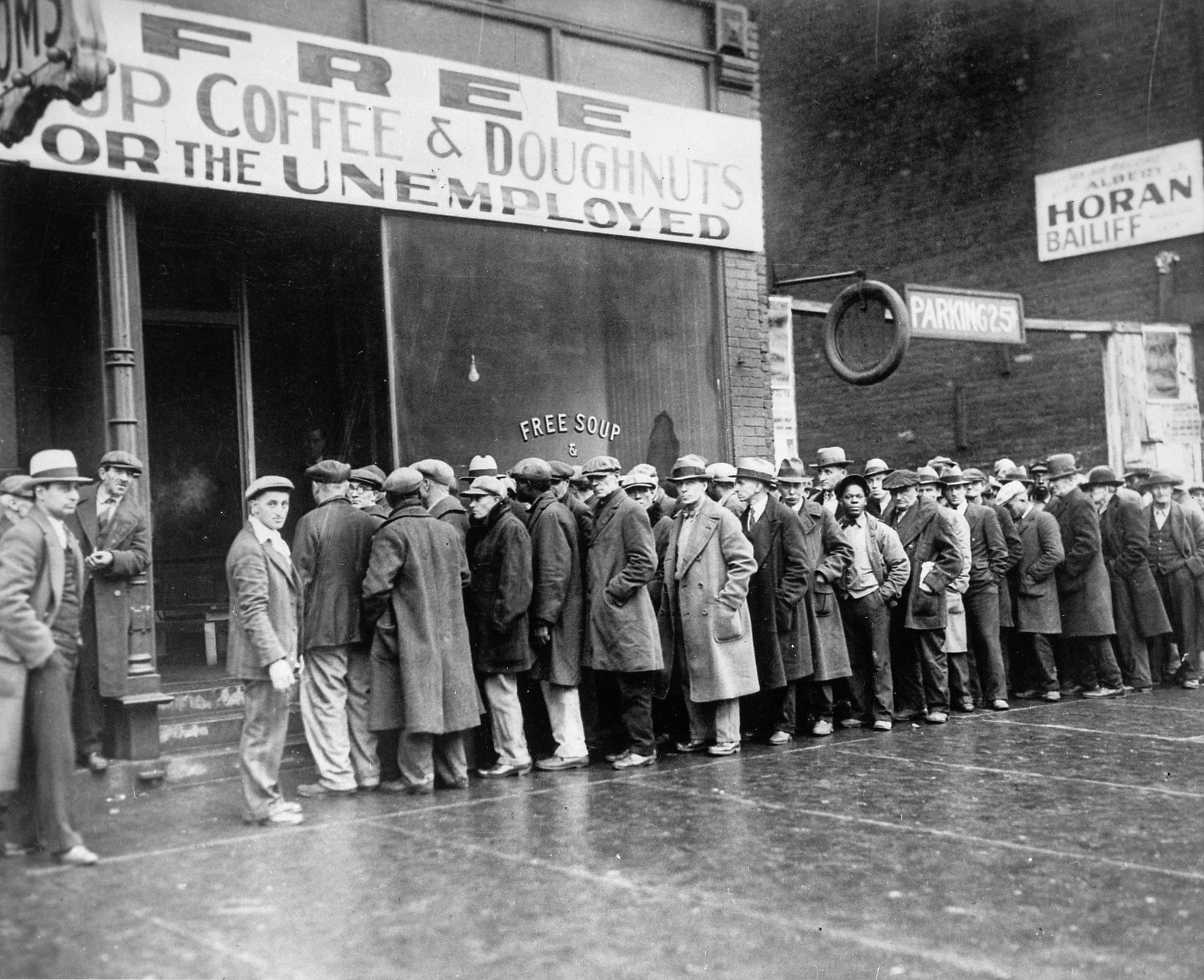
The Great Depression (1929–41) was the longest and deepest economic downturn in U.S. history. Franklin D. Roosevelt’s New Deal (1933–39) introduced sweeping relief, recovery, and reform programs, but historians and economists still debate whether these reforms ended the Depression, merely eased its worst effects, or even prolonged it. This article examines the evidence on key New Deal policies. We review relief programs for the unemployed (CCC, WPA, PWA), financial reforms (Glass–Steagall, FDIC, SEC), and massive federal spending, and we engage with historiographical and economic debates (Keynesian vs. monetarist). Finally, we consider the New DealThe New Deal Full Description:A comprehensive series…