-

By the early 1900s the Qing dynasty was widely seen as weak and incapable of defending China’s interests. Its earlier Self-Strengthening MovementSelf-Strengthening Movement Full Description:A reform movement (c. 1861–1895) led by regional officials who sought to adopt Western military technology (“ships and guns”) while preserving traditional Chinese Confucian values and political structures. Self-Strengthening operated on the motto: “Chinese learning as the substance, Western learning for application.” Officials like Li Hongzhang built modern arsenals, shipyards, and technical schools. The movement aimed to strengthen the state sufficiently to resist foreign encroachment without fundamentally changing the social order. Critical Perspective:The failure of this movement…
-
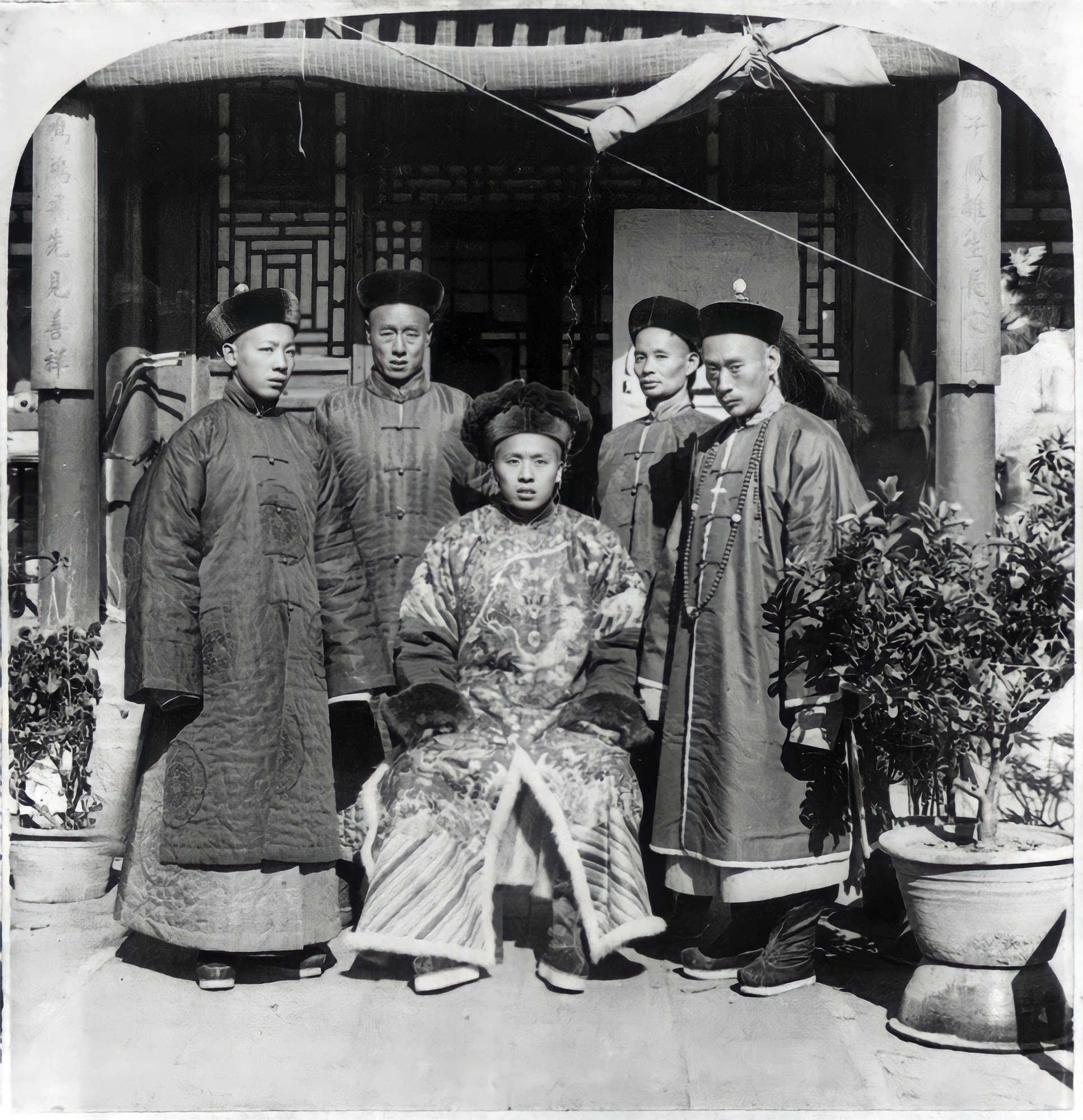
Background: Boxer Defeat and Reform Imperative The defeat of the Qing in the Boxer Rebellion of 1900 left the imperial government deeply humiliated and financially crippled. The Boxer ProtocolBoxer Protocol Full Description:The punishing peace treaty signed in 1901 between the Qing Empire and the Eight-Nation Alliance following the defeat of the Boxer Uprising. It imposed a crippling indemnity on China and allowed foreign troops to be stationed in the capital, effectively reducing the Qing government to a vassal of Western powers. The Boxer Protocol was the most humiliating of the unequal treaties. It required China to pay 450 million taels of silver…
-
By the late 1890s China’s Qing dynasty had been devastated by half a century of war and unrest. Decades of foreign encroachment (unequal treatiesUnequal Treaties Full Description: A series of treaties signed with Western powers and Japan during the 19th and early 20th centuries. These agreements, forced upon China through gunboat diplomacy, stripped the nation of its sovereignty and control over its own economy.The Unequal Treaties were the legal shackles of semi-colonialism. They forced China to open “treaty ports” where foreign law applied, ceded territory (like Hong Kong), fixed tariffs at artificially low levels to favor foreign goods, and granted “extraterritoriality”—meaning foreigners…